

Maddy summaryThis bill allows Medicaid programs to enter into value-based purchasing (VBP) arrangements with drug manufacturers for innovative treatments like gene therapies. It codifies these arrangements by requiring states to report pricing structures based on patient outcomes and best prices for drugs sold under these agreements. The bill enables payments to be tied to treatment effectiveness, potentially reducing long-term healthcare costs by decreasing hospitalizations and other medical expenses. It also creates a requirement for a GAO study to evaluate how these arrangements impact patient access, outcomes, and healthcare system costs. The bill will sunset after 5 years, though existing VBP arrangements will continue beyond that date.
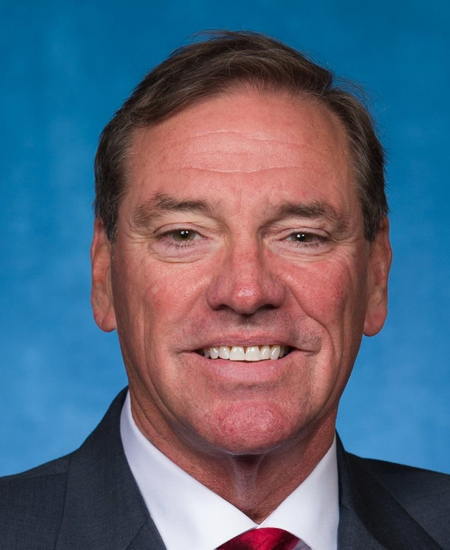
Rep. Neal P. Dunn
Sponsored bills
Maddy summaryThis bill (HR 1753) ensures 310+ female service members who served in specialized cultural support teams (2010-2021, identified by skill codes R2J/5DK) receive proper military records and veterans benefits. It requires the military to include this service in personnel records and count it as combat service for disability claims. Veterans denied benefits for injuries from this service can now file supplemental claims within three years of enactment, with claims treated as if filed on their original claim date. The bill also mandates VA outreach to inform affected veterans and families about this new process.
Maddy summaryThe FOCA Act of 2023 requires federal agencies to stop mandating or banning contractor agreements with labor organizations (like union contracts) in construction project bids and contracts. It directly affects federal contractors, subcontractors, and agencies managing construction projects funded by the government. The bill prohibits favoring or penalizing contractors based on their labor affiliation status, aiming to promote fair competition and reduce costs. It also mandates updates to federal contracting rules within 60 days of enactment to implement these changes.
Maddy summaryThis bill codifies and expands existing U.S. sanctions targeting Chinese entities involved in fentanyl-related activities. It authorizes the President to impose financial sanctions on foreign persons - including Chinese government entities, ports, ships, manufacturers, and online marketplaces - that facilitate the international flow of illicit synthetic narcotics or their precursors. Key provisions include blocking U.S. financial transactions with targeted entities, requiring congressional reporting on enforcement, and excluding intelligence/law enforcement activities from sanctions. The bill directly affects Chinese entities operating in Hong Kong, Macau, or mainland China that contribute to fentanyl proliferation, with sanctions applying to property or transactions within U.S. jurisdiction.
Maddy summaryHR 10459 establishes a federal Joint Task Force to Counter Illicit Synthetic Narcotics (JTF-ISN) to coordinate agency efforts against synthetic opioid trafficking. The task force, led by a presidentially appointed Director reporting to the Attorney General, includes members from Justice (DEA, FBI), Treasury (FinCEN, IRS), Homeland Security (CBP, ICE), State, Commerce, Defense, and intelligence agencies. It requires regular congressional reports on operations, funding needs, and efforts to disrupt trafficking networks - particularly those linked to foreign entities like China - while explicitly limiting the task force to targeting large-scale trafficking, not personal use or low-level dealing. The bill does not create new agency powers but mandates better interagency coordination to address the opioid crisis through strategic operations and information sharing.
Maddy summaryThis bill requires Chinese shipping companies to properly declare fentanyl precursors and related chemicals on all shipments to the U.S., with strict customs reporting rules. It imposes civil penalties of up to $250,000 or 0.025% of a vessel’s cargo value for non-compliance, doubling for falsified records and escalating for repeated violations. The penalties collected fund U.S. drug enforcement efforts targeting fentanyl trafficking. It directly affects Chinese entities (including those with significant Chinese ownership) involved in shipping these chemicals to the U.S. or cooperating jurisdictions.
Maddy summaryHR 10127, the Restoring Trade Fairness Act, would suspend China's normal trade relations status, requiring higher tariffs on Chinese imports. The bill mandates minimum 35% duties for most Chinese goods and 100% for specific listed items, with these rates phased in over 5 years. It also establishes tariff-rate quotas for products imported only from China and creates a trust fund to compensate U.S. producers affected by Chinese retaliation. This policy would shift Chinese imports from standard lower tariff rates to higher rates typically applied to countries without normal trade relations status.
Maddy summaryThis bill extends Medicare payment adjustments for physicians and other practitioners through 2025 instead of ending in 2024. It specifically adds a 4.73% payment increase for services provided between January 1, 2025, and January 1, 2026. The legislation modifies existing Medicare payment rules to stabilize practice revenues during transition periods. It directly affects doctors and healthcare providers who bill Medicare for patient services. The key change is the extended timeframe and the defined 4.73% rate for the 2025-2026 period.
Maddy summaryThis bill creates an exemption from certain physician self-referral rules for specific rural hospitals. It defines a "covered rural hospital" as one located more than 35 miles (or 15 miles in mountainous terrain) from another hospital or critical access hospital, primarily affecting rural facilities in remote areas. The bill also removes restrictions preventing physician-owned hospitals from expanding their services. These changes directly impact rural hospitals meeting the new distance criteria and physicians owning hospitals in those areas, while leaving most existing Medicare self-referral rules unchanged.
Maddy summaryThis bill requires the HHS Secretary to produce a report within 18 months of enactment about children who re-enter foster care after adoption or legal guardianship was finalized. The report will analyze data on adoption disruptions (including factors like pre/post-adoption services and child age) using existing systems like AFCARS, and detail state-level post-adoption services - covering their evidence-based status, availability, and funding sources like the Promoting Safe and Stable Families program. It directly affects children who experience disrupted adoptions and the states providing post-adoption support services. The report aims to inform Congress about gaps in oversight and support systems for these families.