

Maddy summaryThe Laken Riley Act (HR 7511) would require federal authorities to detain non-citizens charged with or convicted of burglary, theft, larceny, or shoplifting offenses. It also creates new legal standing for state attorneys general to sue federal immigration officials in federal court if they believe immigration enforcement decisions (like releasing aliens or granting parole) cause financial harm exceeding $100 to the state or its residents. The bill amends immigration laws to expand detention requirements for certain property crimes and allows states to seek court orders to enforce immigration policies. It does not create new criminal penalties but modifies existing immigration enforcement procedures. The bill’s findings and political language about the Laken Riley case are not part of its policy provisions.
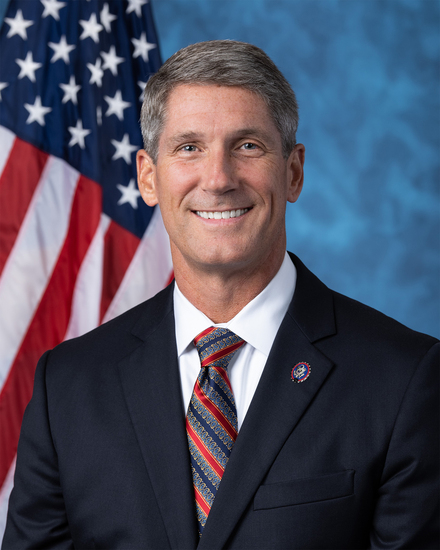
Rep. Scott Franklin
Sponsored bills
Maddy summaryHRES 1060 is a non-binding House resolution expressing support for in vitro fertilization (IVF) as a method for families to start or grow. It acknowledges the role of IVF in helping millions of people overcome infertility (citing CDC data showing over 1 million U.S. births via IVF since 1987) and recognizes the physical/emotional challenges of infertility treatment. The resolution affirms IVF's legality in all 50 states, encourages further research into infertility treatments, and supports state efforts to set standards for IVF clinics. It does not create new laws or alter existing policies.
Maddy summaryHR 7563, the Food Traceability Enhancement Act, modifies FDA food safety rules to ease requirements for certain businesses. It shortens recordkeeping periods from 2 to 1 year and exempts restaurants, retail food establishments, and warehouses from maintaining or sharing traceability lot code information. The bill mandates 9 pilot projects testing outbreak investigations without lot codes and evaluating low-cost tracing technologies, with specific sector and commodity diversity requirements. It delays compliance for existing traceability rules until 2 years after the pilots conclude, and requires a report on FDA information-sharing barriers with food businesses.
Maddy summaryThe TEMP Act (HR 6186) requires the Federal Crop Insurance Corporation to research and develop index-based insurance for crops affected by frost or cold weather events. It specifically directs research on protecting crops like tomatoes, peppers, citrus, and berries against production or revenue losses from such weather, evaluating risk management tools for low-frequency events. The Corporation must report findings and recommendations to Congress within one year of the bill's enactment. This research aims to create nationally available insurance options but does not immediately implement new coverage.
Maddy summaryHR 7470, the Secure U.S. Leadership in Space Act of 2024, changes tax rules to treat spaceports similarly to airports for financing purposes. It allows spaceports to issue tax-exempt bonds (like airports do) for construction and operations, directly benefiting spaceport developers and operators. Key provisions include defining "spaceport" broadly to cover manufacturing, launch/reentry services, and flight control facilities, while adding exceptions for federal use and excluding spaceport bonds from state bond limits. The bill clarifies that spaceports do not need public access to qualify for these tax benefits. This policy change aims to support private investment in U.S. space infrastructure through existing tax financing mechanisms.
Maddy summaryHR 7455, the Sunset Act of 2024, requires federal agencies to automatically expire significant rules after 10 years unless Congress passes a new law extending them. Agencies must submit reports 180 days before expiration, and Congress can extend rules via joint resolution within 3 legislative days of receiving the report. The bill also mandates annual reviews of 10% of active agency rules for 9 years, with rules not extended by Congress after the 10-year period expiring. It applies to all major agency rules (e.g., environmental or safety regulations) and includes limited presidential exemptions for emergencies, but does not affect existing rules already in effect.
Maddy summaryHR 7450, the Protecting Privacy in Purchases Act, prohibits payment card networks and covered entities (like payment processors) from requiring or assigning merchant category codes that specifically identify firearms retailers as different from general stores or sporting goods retailers. This directly affects firearms retailers and payment networks by preventing them from using business classification codes that could flag firearm sales. The bill establishes an enforcement process where the Attorney General investigates complaints, issues remediation notices, and can seek court injunctions for non-compliance, while preempting state or local laws on this issue. It does not create private lawsuits for individuals.
Maddy summaryThe SCHEDULES Act of 2024 requires the Department of Veterans Affairs (VA) to establish specific timeframes for scheduling appointments after a veteran is referred for care: 3 business days for VA facility appointments and 7 calendar days for community care. It directly affects veterans seeking VA care by setting measurable standards for timely access to services. The bill mandates quarterly reports to Congress detailing how many referrals meet these standards, broken down by facility, care specialty (like mental health or cardiology), and state, with all data made publicly available online. These reports must also include annual progress updates on VA efforts to meet the scheduling goals. The law focuses on creating transparency and accountability in VA scheduling processes without altering benefits or funding.
Maddy summaryHR 7401, the Contract Our Veterans Act of 2024, requires the Department of Defense to set annual contracting goals for small businesses owned and controlled by veterans (including service-disabled veterans) in defense procurement. It mandates that these goals match the existing governmentwide targets for service-disabled veteran-owned businesses under the Small Business Act. The bill allows contracting officers to use sole-source awards or restricted competition for these businesses if they meet specific criteria, such as being listed in a federal database and offering best value to the government. This directly affects Department of Defense contractors and veteran-owned small businesses seeking federal contracts.
Maddy summaryHRES 966 is a symbolic resolution condemning alleged sexual violence committed by Hamas during its October 7, 2023, attack on Israel. It specifically references eyewitness accounts, forensic evidence, and Hamas fighters' admissions of ordering gang rape, sexual mutilation, and assault against Israeli civilians. The resolution calls for international condemnation of such acts as weapons of war, urges nations to criminalize sexual violence, and supports investigations into Hamas' actions. As a non-binding resolution, it does not create new laws or directly affect any individuals but formally expresses the House's position on the issue.