

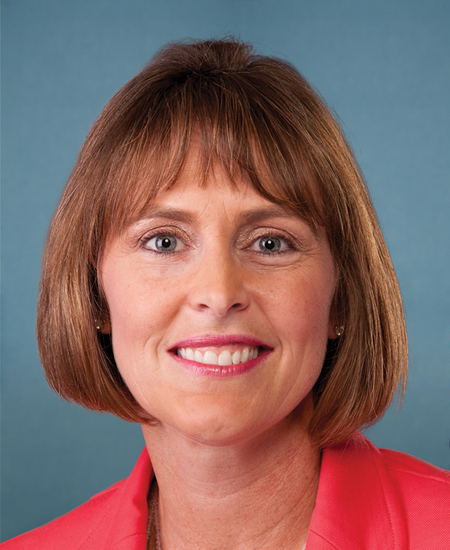
Photo of Kathy Castor
D United States House · District 14 · Florida On the 2026 ballot

Rep. Kathy Castor

Compare
Total votes
2,837
all sessions
Attendance
99%
40 missed
Near the chamber average
With party
98%
of cast votes
Near the chamber average
Bipartisan score
1%
crosses aisle rarely
Near the chamber average
Sponsored
1,415
bills & resolutions
Near the chamber average
Committees
4
assignments
1,415 bills and resolutions

Sponsored bills

Total
1,415
Primary
80
Co-sponsor
1,335
This page
1,415
matching current filters
Co-sponsor HR 6960
Signed into law · United States House · Co-sponsor
Emergency Medical Services for Children Reauthorization Act of 2024

Maddy summaryThis bill reauthorizes the Emergency Medical Services for Children (EMSC) program through fiscal year 2029, increasing annual funding from $22.3 million (2020-2024) to $24.3 million (2025-2029). It directly supports states and communities providing specialized emergency medical care for children, including pediatric trauma and transport services. The key provision extends and increases federal funding to maintain existing EMSC grant programs that train healthcare providers and improve pediatric emergency response systems. This ensures continued access to coordinated care for children in emergency situations across the United States.

Signed into law Dec 23, 2024 1 co-sponsor
Co-sponsor HR 1097
Signed into law · United States House · Co-sponsor
Everett Alvarez, Jr. Congressional Gold Medal Act of 2023

Maddy summaryThis bill, HR 1097 (Everett Alvarez, Jr. Congressional Gold Medal Act of 2023), authorizes the award of a Congressional Gold Medal to Everett Alvarez, Jr., in recognition of his service as a U.S. Navy pilot and Vietnam War prisoner of war. It directly honors Alvarez, who was the first U.S. pilot shot down in the Vietnam War, spent over 8.5 years in captivity, and later served in the Peace Corps and Veterans Administration. The bill’s key mechanism is directing the U.S. Mint to strike a gold medal bearing his name and image, with bronze duplicates available for sale to cover costs. It does not create new policies or affect any group beyond the honoree.

Signed into law Dec 23, 2024 1 co-sponsor
Co-sponsor HR 10512
In committee · United States House · Co-sponsor
Extending the RAISE Family Caregivers Act

Maddy summaryHR 10512 extends the RAISE Family Caregivers Act, which supports family caregivers of seniors and people with disabilities, by delaying its expiration date from the original termination point to September 30, 2029. The bill modifies existing provisions to require the Secretary to make caregiver program information publicly available and updates the governing law for the advisory council. It does not create new benefits or change eligibility but ensures the current framework remains operational for six more years. This extension directly affects the ongoing work of the RAISE Council and federal agencies managing caregiver support programs. The bill focuses solely on maintaining existing structures without altering program scope or funding.

In committee Dec 19, 2024 1 co-sponsor
Co-sponsor HR 9774
In committee · United States House · Co-sponsor
Health Care Affordability Act of 2024

Maddy summaryHR 9774, the Health Care Affordability Act of 2024, would expand premium tax credits under the Affordable Care Act for households earning between 150% and 400% of the federal poverty level. It modifies the sliding scale calculation to reduce the percentage of monthly insurance premiums these households must pay, with the lowest out-of-pocket costs for those near 400% of poverty. This directly affects individuals and families purchasing health insurance through marketplace plans who qualify for these tax credits. The changes apply to tax years beginning after December 31, 2025.

In committee Dec 17, 2024 1 co-sponsor
Co-sponsor HR 9129
In committee · United States House · Co-sponsor
Patient Debt Relief Act

Maddy summaryThe Patient Debt Relief Act requires Medicare-participating hospitals to establish clear financial assistance policies by January 2026, including publicly available eligibility criteria and 30-day pre-payment screening for charity care. It prohibits hospitals from placing home liens, garnishing wages, or selling debt to collectors without offering income-based repayment plans (capping payments at 4% of gross monthly income) and eliminates interest for patients earning under 250% of the poverty line. Hospitals failing to comply face civil penalties up to $1 million per violation. The bill also creates a $100 million grant program to fund nonprofits that discharge medical debt for individuals meeting income thresholds (5% of income or under 400% of poverty line), with quarterly reporting requirements. These provisions apply directly to hospitals and low-income patients with medical debt.

In committee Dec 17, 2024 1 co-sponsor
Co-sponsor HR 8702
In committee · United States House · Co-sponsor
Improving Seniors’ Timely Access to Care Act of 2024

Maddy summaryThis bill requires Medicare Advantage plans to implement electronic prior authorization systems by 2027 and publish detailed data on their approval and denial rates for medical services by 2026. It directly affects Medicare Advantage plans (private insurers offering Medicare coverage) and their enrollees (seniors 65+), mandating transparency about prior authorization decisions, processing times, and appeal outcomes. Key provisions include requiring plans to report annual statistics on request approvals/denials, average processing times, and use of technology, with this data published publicly by the Centers for Medicare & Medicaid Services. The bill also sets timelines for plan responses to prior authorization requests and mandates reports to Congress on implementation and impacts.

In committee Dec 17, 2024 1 co-sponsor
Co-sponsor HR 8331
In committee · United States House · Co-sponsor
Essential Caregivers Act of 2024

Maddy summaryThe Essential Caregivers Act of 2024 requires nursing homes and similar facilities to allow residents to designate essential caregivers who provide emotional support or assistance with daily activities. During emergencies when regular visitation is restricted, facilities must permit at least one essential caregiver access to residents daily and cannot deny access without following specific procedures. Facilities may deny access for a maximum of 7 days during emergencies (or 14 days with state approval), and must provide a written explanation and appeal process if access is denied. The bill establishes a 48-hour appeal process for residents and caregivers to challenge denials, with facilities required to prove violations during appeals. This law applies to Medicare skilled nursing facilities, Medicaid nursing facilities, intermediate care facilities, and certain inpatient rehabilitation facilities.

In committee Dec 17, 2024 1 co-sponsor
Primary HR 7742
In committee · United States House · Lead sponsor
At HOME Services Act

Maddy summaryHR 7742, the At HOME Services Act, creates a 2-year Medicare demonstration program allowing hospitals to provide outpatient observation services to beneficiaries in their homes. It grants hospitals temporary exemptions from certain hospital requirements (like 24-hour on-site nursing and physical space standards) and expands telehealth access to home settings. Hospitals must maintain inpatient-level care standards, collect data on care quality and costs, and submit to a study comparing home-based care outcomes to traditional hospital care. The program will analyze factors like health outcomes, costs, patient experience, and demographic data before a final report is published.

In committee Dec 17, 2024 0 co-sponsors
Co-sponsor HR 7555
In committee · United States House · Co-sponsor
RETRO GSP Act

Maddy summaryHR 7555, the RETRO GSP Act, requires the U.S. government to refund over $3 billion in tariffs paid by American businesses on imports from beneficiary countries during the GSP program's lapse (Dec 31, 2020-enactment date). It directs U.S. Customs to retroactively treat qualifying import entries as if they occurred on Dec 31, 2020, allowing businesses to get tariff refunds. Companies must submit refund requests to Customs within 180 days of the bill's enactment, with payments due within 90 days of processing. This directly affects U.S. importers of goods from GSP-eligible countries who paid duties during the program's suspension.

In committee Dec 17, 2024 1 co-sponsor
Co-sponsor HR 7222
In committee · United States House · Co-sponsor
Lowering Costs for Caregivers Act of 2023

Maddy summaryThis bill expands eligibility for certain tax-advantaged health accounts to cover medical expenses for parents. It amends the tax code to allow individuals to use funds from Health Savings Accounts (HSAs), Flexible Spending Accounts (FSAs), and Health Reimbursement Arrangements (HRAs) for qualified medical care of their parents or their spouse's parents - previously limited to immediate family members. The changes apply to expenses incurred after December 31, 2023, directly benefiting adult caregivers (like children supporting elderly parents) who use these accounts for parental healthcare costs. The bill makes no new funding commitments but adjusts existing account rules to reduce out-of-pocket costs for caregivers.

In committee Dec 17, 2024 1 co-sponsor
Showing 411 to 420 of 1,415 bills
Previous 1 … 41 42 43 … 142 Next