

Maddy summaryThis bill requires Medicaid programs to cover specific treatments for individuals with breast or cervical cancer. It adds a new provision to Medicaid rules that explicitly includes these patients in mandatory coverage, ensuring states must provide necessary care. The bill also mandates that Medicaid cover breast reconstruction surgery following a medically necessary mastectomy. These changes directly affect Medicaid beneficiaries diagnosed with breast or cervical cancer who need these specific treatments. The policy update removes gaps in existing coverage for these critical cancer care services.
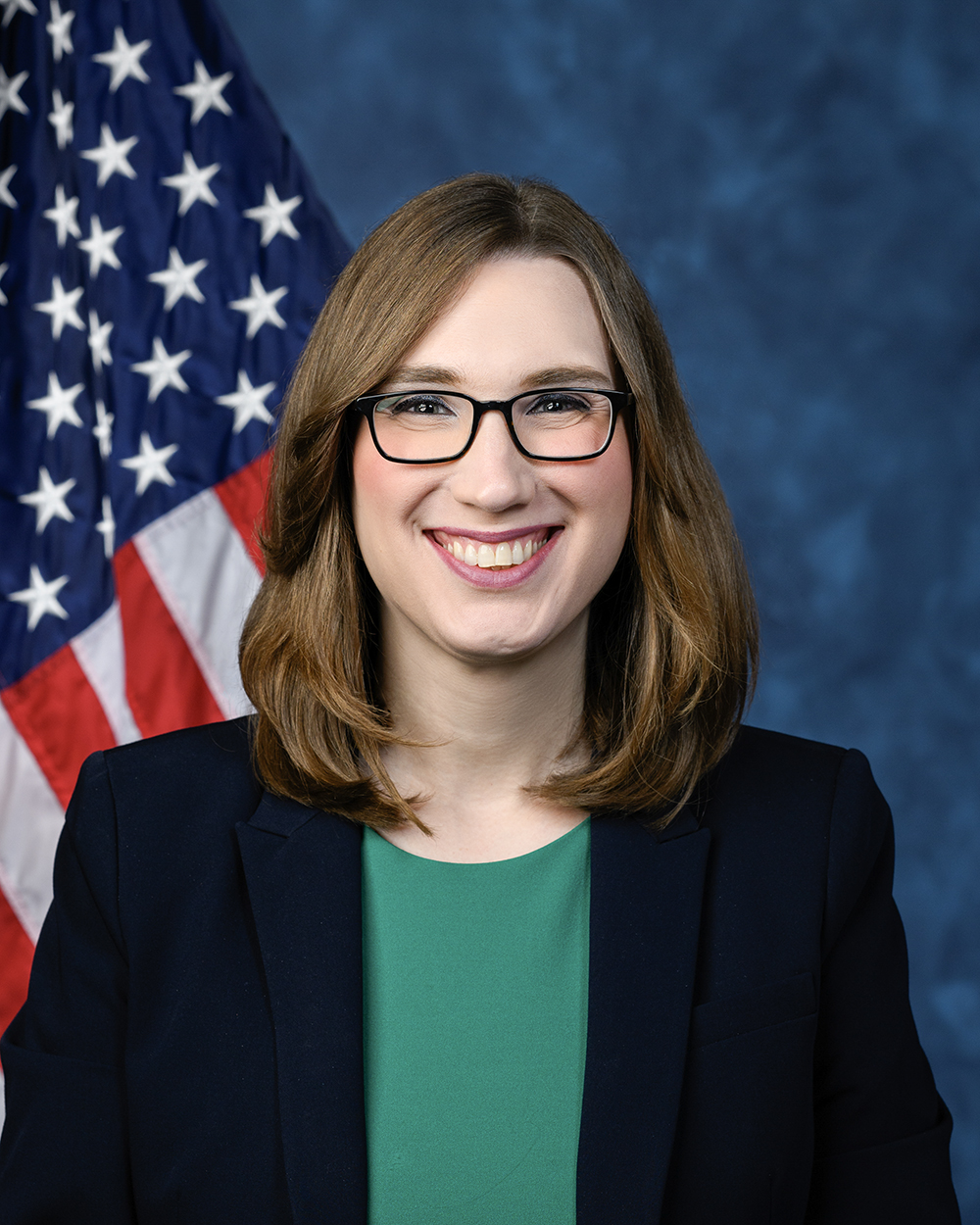
Rep. Sarah McBride
Sponsored bills
Maddy summaryThis bill establishes a program to insure second mortgages (loans taken out after the primary mortgage) for financing accessory dwelling units (ADUs) on single-family properties. The Secretary of Housing and Urban Development must create the program within two years, setting loan limits (up to 30% of a standard mortgage amount or 100% of the property's after-construction value, with potential increases based on 50% of projected rental income) and requiring borrowers to own the property and apply for insurance. It also allows Fannie Mae and Freddie Mac to purchase and securitize these insured loans, unless the Federal Housing Finance Agency determines market risks require a prohibition. The program requires the Secretary to submit annual reports to Congress on its implementation starting one year after enactment.
Maddy summaryThe BURDEN Act requires Members of Congress to certify monthly that they meet work and community engagement requirements under Medicaid and SNAP (food assistance) rules, as if they were program participants. Specifically, lawmakers must submit written proof they engaged in community activities under Medicaid rules and complied with SNAP work requirements. This certification is mandatory for any congressional member to enroll in federal health benefits (FEHBP). The bill directly affects only sitting Members of Congress, imposing these welfare program standards on themselves as a condition for health coverage. It does not change existing rules for the public but targets congressional eligibility for federal health benefits.
Maddy summaryHCONRES 44 is a symbolic resolution recognizing a health and safety emergency for children linked to the Trump administration's climate policies. It claims these policies - unleashing fossil fuel production, blocking renewable energy, and suppressing climate science - disproportionately harm children through increased air pollution, extreme weather, and denied access to climate data. The resolution calls for reversing these policies, restoring the EPA's mission, and ensuring climate action aligns with protecting children's rights. It does not enact new laws or change policy, but serves as a formal congressional statement of concern.
Maddy summaryThe Palliative Care and Hospice Education and Training Act creates federal funding programs to improve training for health professionals in palliative and hospice care. It authorizes $15 million annually for 2026-2030 to support grants for education programs that train doctors, nurses, social workers, and other health professionals in palliative care. The bill prioritizes programs serving rural or medically underserved areas, pediatric patients, and racial/ethnic minority populations. It establishes specific training requirements including interprofessional team-based care, patient and family engagement, and integration with primary care settings. The legislation also includes provisions to disseminate information about palliative care benefits to patients, families, and health professionals.
Maddy summaryThis bill prohibits U.S. Immigration and Customs Enforcement (ICE) from using federal funds to detain or transport U.S. citizens during civil immigration enforcement actions. It directly affects ICE operations by blocking funding for any activity that would hold or move citizens outside the U.S. under immigration laws. The key mechanism is a specific funding restriction in the bill text, stating no funds may be used for detaining or transporting citizens. This applies to all civil immigration enforcement activities defined under the Immigration and Nationality Act. The bill does not create new enforcement powers but limits how existing funds can be spent.
Maddy summaryThis bill extends the Public Health and Bio-Preparedness Workforce Loan Repayment Program through fiscal years 2026 to 2030, replacing the previous 2023-2025 funding period. It directly affects public health workers (such as epidemiologists, laboratory staff, and emergency response personnel) who have federal student loans. The key provision reauthorizes existing funding to help these workers repay student debt by providing federal reimbursements. This maintains a critical workforce retention tool for agencies like the CDC and state health departments without creating new benefits or altering eligibility. The change is procedural, solely adjusting the program's funding timeline.
Maddy summaryThe Child Care for Working Families Act creates a federal program to provide affordable, high-quality child care for working families with children under age 6. It would provide direct child care assistance through certificates or grants to parents, with no copayment required for families at or below 85% of state median income. The program requires states to implement quality standards for child care providers, including a tiered quality system and minimum wage requirements for staff (at least a living wage equivalent to elementary educators). The bill appropriates $20 billion for the program over five years, with additional funding for quality improvement initiatives and universal preschool services.
Maddy summaryThis bill establishes a 2-year pilot program to create or strengthen state-based nursing workforce centers, funded with $1.5 million annually for 2026-2027. It requires states to match federal funds at a 1:4 ratio (e.g., $1 state funding for every $4 federal) and directs centers to analyze nursing data, address shortages, and develop retention strategies for nurses across all practice settings. Centers must report annually on initiatives like workforce planning, scholarship programs, and efforts to improve rural recruitment, with the goal of reducing nursing shortages and improving geographic distribution. The program targets state agencies, nursing boards, schools of nursing, and community organizations working directly with nursing workforce data and education.
Maddy summaryThis bill directs the Health and Human Services Secretary to fund research on early detection and intervention for uterine fibroids, aiming to develop evidence-based approaches for healthcare settings. It authorizes grants to states to support screening (including advanced imaging), patient navigation services, and public education campaigns focused on early detection, with priority given to areas with socially vulnerable populations at higher risk. The bill also funds research into disparities in pain management during fibroid surgery and conditions like Asherman’s Syndrome. These provisions directly affect women with uterine fibroids, particularly in underserved communities, by expanding access to early detection services and targeted research.