

Maddy summaryThis bill amends the Higher Education Act to include Fulbright Teacher Exchange Program and Fulbright English Teaching Assistant Program participation as qualifying public service employment for student loan forgiveness. It directly affects teachers who serve in these Fulbright programs, allowing them to count their service toward existing loan cancellation benefits under the public service repayment plan. The key provision adds a specific definition to the law, treating Fulbright teaching roles as equivalent to other public service jobs for loan forgiveness eligibility. This change expands access to an existing program without altering the core loan forgiveness mechanism. The bill does not create new benefits but makes Fulbright teaching service eligible under current rules.
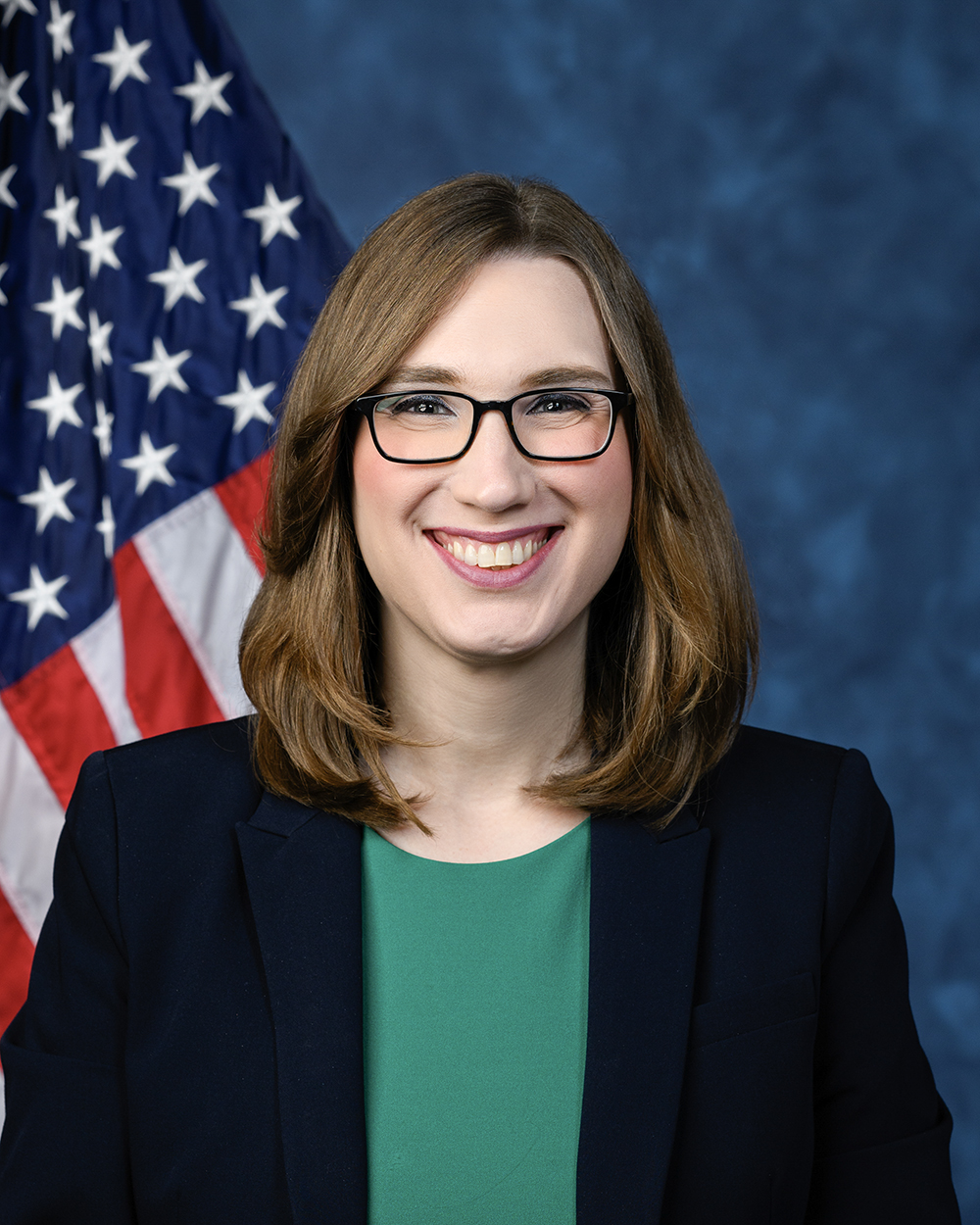
Rep. Sarah McBride
Sponsored bills
Maddy summaryThis bill helps National Guard and Reserve members who make student loan payments while serving by counting their service time toward student loan forgiveness. It allows the government to automatically count each month of qualifying service (based on retirement points) as a qualifying payment for loan forgiveness programs, without requiring members to apply separately. The Department of Defense and Department of Education will jointly match service records with loan payment data to verify eligibility. This directly benefits reserve members who serve full or partial years (measured in retirement points) while making eligible student loan payments.
Maddy summaryThis bill requires the U.S. Department of State to include specific, detailed reporting on reproductive rights in its Annual Country Reports on Human Rights Practices. It mandates descriptions of each country's policies regarding access to contraception, abortion services, and comprehensive reproductive health care, alongside data on pregnancy-related deaths, discrimination against women and LGBTQI+ individuals, and disparities based on race, disability, or other factors. The bill also directs the State Department to consult with civil society organizations and health experts to ensure thorough reporting on these issues. This change aims to align U.S. reporting with international human rights standards and address past omissions of reproductive rights from these reports.
Maddy summaryHRES 629 is a non-binding House resolution honoring Dr. Paul Farmer and calling for U.S. policy changes to address global health inequities. It directly affects low- and middle-income countries by urging the federal government to adopt a "21st-century global health solidarity strategy," including increasing U.S. global health funding to $125 billion annually (to meet the UN 0.7% GNI target) and supporting national health systems through Dr. Farmer’s "Five S’s" framework (staff, space, stuff, systems, social support). The resolution also mandates addressing systemic economic harms like debt, tax evasion, and colonial legacies through debt cancellation, tax reform, and reparations for historical injustices. It emphasizes concrete policy shifts rather than funding alone, requiring coordinated multilateral action to close health financing gaps and reform global governance institutions.
Maddy summaryThis bill adjusts health insurance subsidies by modifying the premium tax credit structure under the Internal Revenue Code. It replaces previous income thresholds with a sliding-scale formula, increasing subsidies for households earning between 150% and 400% of the federal poverty level - reducing their required premium payments as income rises within these tiers. The changes apply to tax years beginning after December 31, 2025, directly affecting middle-income individuals and families purchasing coverage through health insurance marketplaces. It also repeals specific provisions from a prior reconciliation law related to health care.
Maddy summaryThis bill removes a barrier preventing most low-income students from accessing SNAP benefits. It amends the Food and Nutrition Act to explicitly allow students enrolled at least half-time in recognized higher education programs to qualify for SNAP, reversing a prior exclusion. The key change eliminates the previous requirement that students meet specific exceptions (now deleted) and adds a new eligibility category under Section 3(m)(5). This directly affects low-income undergraduate and graduate students at colleges and training programs who were previously ineligible. The changes take effect January 2, 2026.
Maddy summaryHR 4796, the Restoring Essential Healthcare Act, repeals a provision that blocked Medicaid payments to certain healthcare providers during a specific period. It directly affects Medicaid beneficiaries who received care from these providers between the enactment of the prior law (Public Law 119-21) and this bill's enactment. The key provision retroactively restores Medicaid payments for services already provided during that blocked period, treating the payment restriction as if it never existed. This change ensures eligible individuals and providers receive reimbursement for covered care delivered during the prohibited timeframe.
Maddy summaryHR 4763, the PTO Act, requires most employers to provide employees with at least 1 hour of paid annual leave for every 25 hours worked, with a maximum of 80 hours per year. It applies to private-sector workers and certain government employees, protecting their right to use paid leave for any purpose without disclosing the reason. The bill mandates employers to maintain health benefits during leave, allow carryover of up to 40 hours of unused leave, and pay out unused leave upon separation. It also prohibits employers from discriminating against employees for using paid leave or requiring them to find replacements while on leave. The law includes enforcement mechanisms, allowing employees to file complaints with the Department of Labor or pursue private lawsuits.
Maddy summaryThis bill updates the TRICARE Young Adult Program to make healthcare coverage more accessible for military dependents. It directly affects young adults (ages 21-26) who are children of active-duty service members, by eliminating a separate premium they previously paid for coverage. Key changes include removing an extra cost for young adults and adjusting eligibility rules to simplify enrollment. These amendments aim to reduce out-of-pocket expenses and streamline access to health insurance under the program.
Maddy summaryThe Foster Youth Mentoring Act of 2025 authorizes federal grants to fund structured mentoring programs for children in foster care (under 18) and youth with foster care experience (up to age 26). It requires grantees to provide trained mentors (adult or peer), ensure cultural competence, conduct background checks, and match mentors with mentees for at least one year to support academic, social, and emotional needs. Programs must prioritize input from youth, recruit diverse mentors reflecting foster youth demographics, and coordinate with child welfare and education systems. The bill allocates $50 million annually for fiscal years 2026-2027, mandating annual reports on program reach, mentor demographics, and outcomes like school attendance and college enrollment. This directly affects over 390,000 foster youth annually by expanding access to evidence-based mentoring.