

Maddy summaryThis bill establishes a voluntary short-term disability insurance program for federal employees to help replace lost wages during non-work-related injuries, family caregiving, childbirth, or adoption. The Office of Personnel Management would contract with private insurers to offer coverage that pays up to 70% of an employee's pay for a maximum of 12 months, with premiums paid entirely by the employee. The program includes protections such as no preexisting condition exclusions, preemption of state laws regarding coverage, and dispute resolution mechanisms for claim denials.
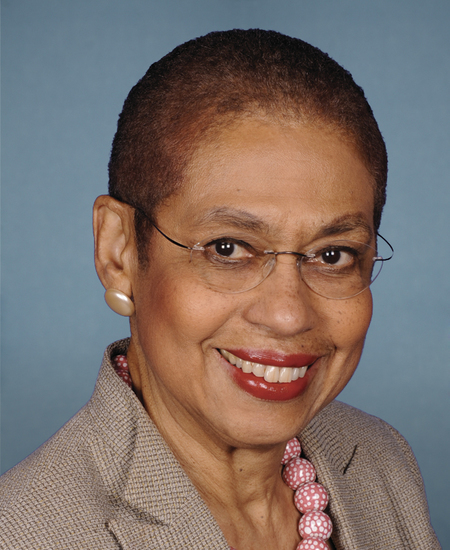
Rep. Eleanor Holmes Norton
Sponsored bills
Maddy summaryThe Connected Vehicle Security Act of 2026 restricts the importation, sale, and manufacture of vehicles and related technology from specific countries, including China, Russia, Iran, and North Korea, to address national security concerns. The law defines prohibited items as connected vehicles, their software, and hardware components and sets different effective dates, with vehicle bans starting in 2027 and hardware restrictions beginning in 2030. A government official can grant exceptions for specific items after reviewing security risks and notifying Congress, while the agency must publish annual reports on enforcement actions and compliance.
Maddy summaryThe Feed Our Kids Act of 2026 mandates that all children enrolled in participating schools receive free breakfasts and lunches, removing previous eligibility requirements based on family income. Under this legislation, schools are prohibited from collecting unpaid meal debts from parents or guardians and are forbidden from using tactics like special tokens or public lists to identify students who owe money. The bill also establishes specific reimbursement rates for free meals, introduces incentives for using locally sourced farm products, and extends free meal access to summer and afterschool programs. Additionally, the act requires a report to Congress within two years to evaluate the program's impact on student academic outcomes and access to nutrition.
Maddy summaryThe Pregnant Women in Custody Act establishes new federal standards to protect the health and rights of pregnant women held in Bureau of Prisons facilities, immigration detention centers, and refugee shelters. It mandates comprehensive medical care, including mandatory pregnancy testing, access to contraception, and specialized dietary and housing accommodations tailored to pregnancy needs. A central provision prohibits the use of restrictive housing and physical restraints during pregnancy, labor, and the postpartum recovery period, with limited exceptions only for immediate safety threats. The legislation also requires facilities to provide nursery programs allowing mothers and infants to remain together, offers education on parental rights, and mandates regular reporting on health outcomes and the use of restrictive measures.
Maddy summaryThis resolution expresses support for designating July 15, 2026, as Glioblastoma Awareness Day to raise public awareness about this aggressive and deadly form of brain cancer. The bill honors patients and caregivers while encouraging greater understanding of the urgent medical needs associated with the disease, which currently has a low survival rate and limited treatment options. It also calls for increased collaboration among government, private, and nonprofit organizations to advance research and develop better therapies for those affected.
Maddy summaryThis resolution formally acknowledges the cultural and historical importance of Cinco de Mayo, a holiday celebrated by Mexican and Mexican-American communities. It commemorates the 1862 Battle of Puebla, where Mexican forces defeated the French army, symbolizing resilience and the pursuit of self-determination. The text highlights the holiday's role in honoring diverse contributions to the United States and strengthening ties between Mexico and the U.S. Ultimately, the House of Representatives is encouraged to observe the day with appropriate ceremonies and activities.
Maddy summaryThis House Resolution designates the week of May 3 through May 9, 2026, as National Postpartum Awareness Week for Communities of Color. It formally acknowledges the unique health challenges and disparities faced by pregnant people of color during the postpartum period. The measure does not create new laws or allocate funding but aims to raise awareness and encourage support for maternal health equity initiatives.
Maddy summaryThis resolution expresses support for designating May 4, 2026, as a "National Day of Reason" to highlight the value of critical thinking and evidence-based decision-making. It encourages all Americans to observe the day by promoting the scientific method and free inquiry as tools for solving social problems and advancing human welfare. The text cites historical figures and principles to argue that reason is essential for protecting democracy, civil liberties, and addressing challenges like climate change and misinformation. As a non-binding congressional resolution, it does not create new laws or alter government operations but serves as a formal statement of the House's position.
Maddy summaryThis resolution formally designates May 10, 2026, as National Asian American, Native Hawaiian, and Pacific Islander Mental Health Day to raise awareness about mental health within these communities. The text highlights that many individuals in this diverse group face barriers to care, including high costs, language differences, and cultural stigma, which result in low rates of treatment utilization. While the measure itself is symbolic and does not create new laws or funding, it encourages federal, state, and local agencies to develop policies that improve access to culturally and linguistically appropriate mental health services.
Maddy summaryThis bill, titled the Negating Neighborhood Noise Act of 2026, restricts the use of federal highway funds for building specific noise barriers while allowing exceptions for older projects or those near pre-existing developments. It permits the use of surface transportation block grant money for constructing these barriers if they meet new criteria regarding age and location. Additionally, the legislation encourages the creation of "multipurpose" barriers that can also support renewable energy, electrical lines, or broadband infrastructure, and requires sponsors to consider the visual appearance of these structures.