Maddy summaryThis bill changes Medicare coverage for colorectal cancer screenings. It eliminates out-of-pocket coinsurance costs for these screenings starting in 2026, requiring Medicare to cover 100% of the cost instead of the previous 85% for that year. The change applies to all subsequent years and directly affects Medicare beneficiaries seeking routine colorectal cancer screenings. The key provision amends Medicare Part B to remove the coinsurance requirement for these specific preventive services.
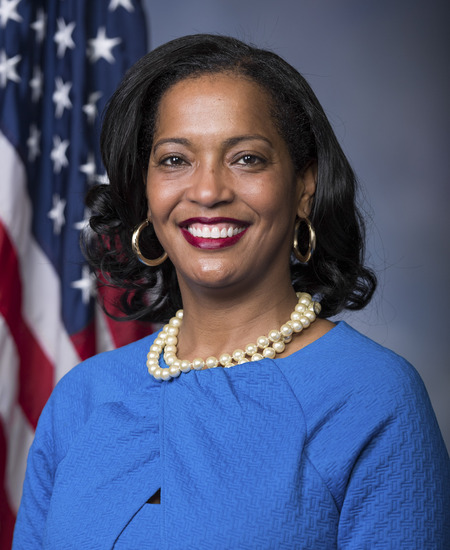
Rep. Jahana Hayes
Sponsored bills
Maddy summaryHR 3387, the No Surprise Bills for New Moms Act, requires health insurance plans and employers to automatically cover newborns for 30 days after birth for any services the plan normally covers, without requiring prior enrollment. This directly affects new parents (including fathers) and their newborns, preventing unexpected bills during the initial post-birth period. The bill also mandates a 60-day special enrollment period to formally add the baby to the plan and requires insurers to notify parents immediately if a claim is filed for an unenrolled newborn. These provisions apply to both employer-sponsored and private health insurance plans.
Maddy summaryHR 3207, the Build Housing with Care Act of 2023, creates a $100 million annual grant program to fund the co-location of affordable housing and childcare facilities. It directly affects housing developers, childcare providers, and low-income residents by requiring grantees to partner with qualified childcare centers (serving low-income families or operating in "child care deserts") and avoid evictions during facility development. Key provisions include prioritizing projects in underserved areas, mandating resident engagement, and requiring grantees to use funds for design, construction, or renovation of shared facilities. The program aims to increase childcare access near housing, with annual reports tracking outcomes like new childcare slots and resident usage.
Maddy summary# Summary of Proposed Immigration Legislation This comprehensive immigration bill proposes sweeping reforms across multiple areas of U.S. immigration policy. The key provisions can be categorized as follows: ## Family Immigration Reforms - Expands eligibility for family-based visas - Creates new pathways for family reunification - Reforms the "child out" rule for H-4 visa holders who age out - Establishes new procedures for sponsors of unaccompanied children ## Employment-Based Immigration - Increases diversity visas from 55,000 to 80,000 - Creates new categories for doctoral STEM graduates - Eliminates per-country limits for employment-based visas - Addresses visa backlogs by creating new categories for beneficiaries with priority dates over 10 years old - Increases visa numbers for certain employment-based categories (e.g., 23.55% instead of 28.6% for certain categories) - Creates a Regional Economic Development Immigrant Visa Pilot Program (10,000 visas annually) ## Diversity and Integration Programs - Creates a United States Citizenship and Integration Foundation to promote citizenship preparation - Establishes pilot programs for immigrant integration at state and local levels - Creates English as a Gateway to Integration grant program ($100 million for 2024-2025) - Creates Workforce Development and Shared Prosperity grant program ($100 million for 2024-2025) - Requires in-state tuition rates for refugees, asylees, and certain special immigrants - Waives English requirements for seniors applying for naturalization ## Immigration Court Reforms - Increases immigration judge numbers by 55 annually through 2028 - Creates a right to counsel for vulnerable individuals (children, victims of abuse, etc.) - Establishes an Immigration Counsel Fund with a $25 surcharge on immigration fees - Requires all noncitizens to receive legal orientation programs - Modernizes court technology for improved efficiency - Creates procedures for ensuring court appearance compliance ## Refugee and Asylum Processing - Expands alternatives to detention for family units - Improves processing for asylum seekers - Creates programs to facilitate safe and efficient repatriation - Establishes reintegration support for repatriated individuals ## Naturalization and Citizenship - Creates citizenship pathways for U.S. high school graduates - Waives English requirements for seniors - Creates a National Citizenship Promotion Program - Establishes naturalization ceremonies at historic locations The bill aims to create a more efficient immigration system, address backlogs in immigration courts, promote immigrant integration, create clearer pathways to citizenship, and reform both family-based and employment-based immigration systems. It represents a comprehensive approach to modernizing U.S. immigration policy.

Maddy summaryHR 3086, the "Find It Early Act," requires health insurance plans to cover breast cancer screenings with no cost-sharing for certain individuals at higher risk of breast cancer. The bill affects people with increased risk (based on medical criteria or dense breast tissue) or those needing screening due to factors like age, race, ethnicity, or family history. Key provisions mandate coverage for 2D/3D mammograms, ultrasounds, MRI, and other technologies without frequency limits for these groups. This applies to group health plans, Medicare, Medicaid, TRICARE, and VA healthcare systems starting January 1, 2024. The law aims to improve early detection by removing financial barriers to necessary screenings.
Maddy summaryThe Emergency Grant Aid for College Students Act creates a program to provide emergency financial aid grants to college students facing unexpected financial hardships that threaten their ability to continue studies. Institutions of higher education apply to the Department of Education to administer the program, prioritizing low-income, first-generation, and other vulnerable student groups like students experiencing homelessness or former foster youth. Grants cover costs of attendance (without exceeding the maximum Federal Pell Grant amount for the year) and are not counted as income for tax purposes or eligibility for other federal benefits. The law requires institutions to report on grant distribution, student outcomes, and application processes to ensure transparency and accountability.
Maddy summaryThis bill establishes a new workplace violence prevention standard for healthcare and social service workers. It requires employers in covered facilities - including hospitals, nursing homes, mental health clinics, and social service settings - to develop and implement comprehensive prevention plans with specific requirements. These plans must include risk assessments, hazard prevention measures, employee training on violence prevention, and procedures for reporting and investigating violent incidents. The bill also amends Medicare regulations to require compliance with these standards for hospitals and skilled nursing facilities receiving Medicare funds.
Maddy summaryThis bill establishes minimum nurse-to-patient ratios for registered nurses in hospital units (such as 1:1 in trauma units, 2:1 in critical care units, and 3:1 in emergency rooms), requiring hospitals to develop and maintain staffing plans that meet these standards. It mandates transparency in documenting staffing levels, ensures hospitals verify nurses' competence for specific units, and enforces compliance through Medicare and Medicaid programs with penalties for violations. The bill protects nurses who refuse unsafe assignments due to staffing concerns and includes initiatives to improve nurse retention and address staffing shortages. It directly affects hospitals, nurses, and patients by aiming to improve patient safety and care quality through standardized staffing requirements. The bill applies to all hospitals, with extended implementation timelines for rural facilities.
Maddy summaryThis bill would require Medicare to cover FDA-approved blood tests that screen for multiple cancers simultaneously (like breast, lung, or colorectal cancer) for beneficiaries. It directly affects Medicare recipients aged 65+ who could access these new screenings once per year, without prior authorization. The key provision adds "multi-cancer early detection screening tests" to Medicare's covered services under Part B, defining them as blood tests analyzing cell-free DNA, while maintaining existing coverage for standard screenings like mammograms. The bill does not change current coverage for individual cancer screenings but ensures Medicare keeps pace with new medical technology.
Maddy summaryHR 1795, the Homecare for Seniors Act, allows seniors to use funds from their Health Savings Accounts (HSAs) to cover qualified home care services. It amends tax law to define "qualified home care" as contracts providing three or more specific personal assistance services (like help with eating, bathing, toileting, or medication) from a licensed provider. The bill directly affects seniors with HSAs who need in-home care, expanding their tax-free distribution options beyond traditional medical care. It also requires the federal government to run a public awareness campaign about these new eligible home care expenses. The changes apply to expenses paid after the bill's enactment date.