

Maddy summaryHR 1657, the Humane Cosmetics Act of 2025, prohibits cosmetic companies from conducting or contracting animal testing for products sold in the U.S. beginning one year after the law takes effect. It also bans the sale or transport of cosmetics developed using such testing after that date, with limited exemptions (e.g., for foreign regulatory requirements or when no non-animal safety alternatives exist). The bill directly affects cosmetic manufacturers, retailers, and distributors by requiring them to shift to non-animal testing methods. The Food and Drug Administration (FDA) will enforce the law, including reviewing records and imposing civil penalties for violations.
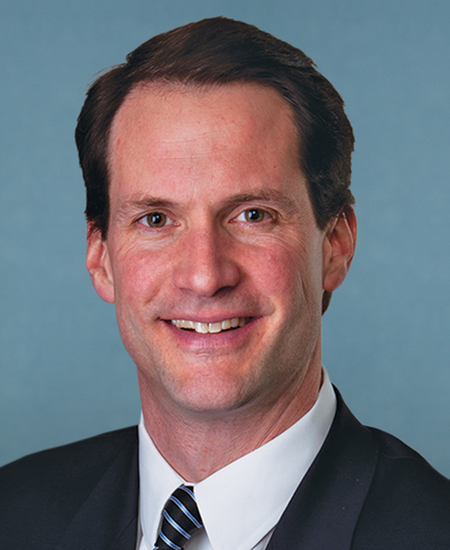
Rep. James A. Himes
Sponsored bills
Maddy summaryThe PAST Act of 2025 amends the Horse Protection Act to ban harmful practices known as "soring," which deliberately cause pain to horses to exaggerate their gait for shows. It specifically prohibits devices like action devices (e.g., boots causing friction) and weighted shoes on Tennessee Walking Horses, Racking Horses, and Spotted Saddle Horses at events. The bill increases penalties, including escalating disqualifications for repeat offenses (180 days → 1 year → 3 years) and raises fines for violations to $5,000 per offense. It also requires stricter licensing for inspectors and mandates public posting of violation records to help event organizers enforce rules.
Maddy summaryThe American Dream and Promise Act of 2025 would create pathways to permanent residency for certain immigrant youth who entered the U.S. as children (Dream Act component) and for individuals from countries with Temporary Protected Status or Deferred Enforced Departure (American Promise Act component). To qualify, applicants must meet continuous physical presence requirements (since January 1, 2021 for Dream Act applicants, and for 3+ years for American Promise applicants), pass background checks, and satisfy educational or employment criteria. Conditional permanent resident status would be granted initially, with the option to convert to full permanent residency after meeting additional requirements like earning a degree, serving in the military for two years, or demonstrating three years of earned income. The bill includes fee exemptions for low-income applicants, establishes a grant program to assist applicants with legal help, and creates specific procedures for background checks and appeals.
Maddy summaryThis bill expands Medicare, Medicaid, and CHIP coverage for specific cancer diagnostic tests, directly affecting cancer patients enrolled in these programs. It requires Medicare to cover genetic tests like DNA sequencing (80% of cost) and limits testing frequency to once at diagnosis, once for recurrence, and as needed for treatment planning. Medicaid and CHIP must include these tests as mandatory coverage starting January 1, 2027, with states given flexibility to comply via state legislation. The bill also mandates a new HHS education program to inform doctors and the public about genomic testing for cancer care.
Maddy summaryThis bill amends Medicare rules to allow nurse practitioners and physician assistants to certify diabetic shoe coverage for Medicare beneficiaries with diabetes, expanding the current requirement that only physicians could provide this documentation. It directly affects Medicare patients needing specialized footwear due to diabetes and healthcare providers like NPs and PAs who would now be authorized to meet the certification requirement. The key change modifies Section 1861(s)(12) of the Social Security Act to insert "nurse practitioner, or physician assistant" in all relevant sections of the documentation rules. This update simplifies access to covered diabetic shoes by broadening which healthcare professionals can issue the necessary certification.
Maddy summaryEthan's Law requires gun owners to store firearms securely in homes where minors live or where residents are legally prohibited from owning guns. It makes it unlawful to leave firearms unsecured if a minor or ineligible person could access them, with fines of $500 per violation and harsher penalties if injury or death occurs. The bill creates a federal grant program to help states implement similar secure storage laws and treats unsafe storage as negligence in legal cases. It directly affects households with children or residents who cannot legally possess firearms, aiming to reduce accidental shootings and unauthorized access.
Maddy summaryHRES 159 is a symbolic resolution expressing the U.S. House of Representatives' support for designating February 24-28, 2025, as "Public Schools Week." It does not create new laws or allocate funds but aims to highlight the importance of public schools in communities. The resolution cites reasons such as public schools serving 90% of U.S. students, fostering critical thinking, and requiring equitable funding - though these are context, not policy changes. It directly affects public schools and their communities by raising awareness of their role in education. As a non-binding resolution, it has no direct impact on school operations or funding.
Maddy summaryThe CART Act of 2025 establishes a new tax classification for "catastrophic risk transfer companies," which are special purpose insurers designed to handle large-scale, low-probability risks like natural disasters or major catastrophic events. These companies must derive at least 90% of their income from specific sources including investment income and reinsurance premiums from regulated insurers or government entities. The bill creates special tax rules requiring these companies to distribute at least 90% of their taxable income as dividends, with specific tax treatment for investors receiving these dividends. It also provides tax exemptions for certain dividends paid to foreign investors and prevents double taxation on reinsurance premiums.
Maddy summaryThis bill would require states to create a simplified process for out-of-state healthcare providers to join Medicaid and CHIP programs. Qualified providers (those already enrolled in Medicare or another state's program with low fraud risk) could enroll without excessive screening and would be approved for five years. It directly affects children under 21 enrolled in Medicaid or CHIP by expanding access to providers outside their state, particularly in underserved areas. The change applies to all states' Medicaid programs but takes effect three years after enactment.
Maddy summaryThis bill establishes a Veterans Affairs grant program to fund peer-to-peer mental health support for veterans. It provides up to $250,000 per grant to eligible organizations (like veteran nonprofits, service groups, or state agencies) to hire veterans as peer specialists who host nonclinical support groups and offer 24/7 mental health assistance. The program prohibits grant recipients from collecting or reporting veterans' personal information. It directly affects veterans seeking accessible, nonclinical mental health support through peer-led services.