

Maddy summaryThe Latonya Reeves Freedom Act of 2023 strengthens the Americans with Disabilities Act's requirement that individuals with disabilities receive long-term services and supports in community settings rather than institutions. It defines "community-based" services to include specific housing options where individuals with disabilities can live independently with maximum control over their lives, including access to integrated housing, employment, and community participation. The bill requires states to develop transition plans to move people from institutional settings to community-based services within 12 years, with measurable annual targets for reducing institutionalization. It establishes enforcement mechanisms through the Department of Justice and Department of Health and Human Services to ensure compliance with these requirements.
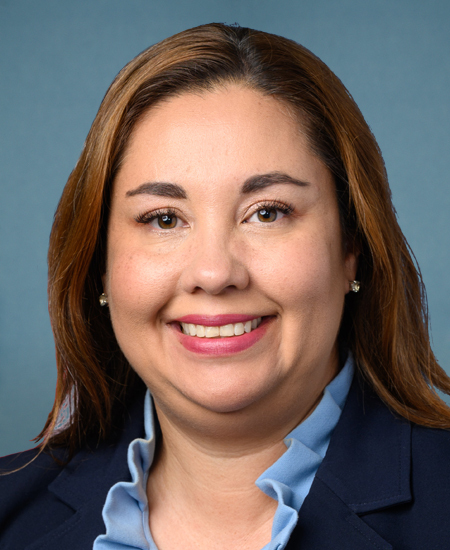
Rep. Yadira Caraveo
Sponsored bills
Maddy summaryHR 2726, the Small Business Payment for Performance Act of 2023, requires U.S. government agencies to provide small businesses with interim partial payments when they unilaterally change construction contract terms. Specifically, it mandates that agencies pay at least 50% of the estimated additional costs requested by small businesses within the timeframe specified by the contract. The bill also requires small businesses to pass these interim payments to first-tier subcontractors and any lower-tier subcontractors who incurred increased costs due to the contract change. This law applies directly to small business concerns awarded federal construction contracts and takes effect by October 1, 2025, or the start of the next full fiscal year after enactment.
Maddy summaryThe Puppy Protection Act of 2023 sets new standards for businesses that sell dogs (dealers), directly affecting pet stores and breeders operating under the Animal Welfare Act. It requires specific housing with space allowances based on dog size (e.g., 12-30 square feet per dog), temperature control (45-85°F), clean food twice daily, and daily exercise or socialization with humans/dogs for at least 30 minutes. The bill also mandates annual veterinary exams including dental care, strict breeding limits (e.g., age restrictions, maximum 2 litters in 18 months), and efforts to place retired breeding dogs in homes instead of selling them to other breeders. Regulations must be finalized within 18 months of enactment.
Maddy summaryHR 1378, the Veterans’ Appeals Backlog Improvement Act, establishes two new programs to improve staffing at the Department of Veterans Affairs (VA) for processing veterans' appeals. It creates a competitive internship program for ABA-accredited law students to gain experience with the Board of Veterans' Appeals, and a nine-year pilot program to recruit and retain entry-level attorneys through student loan repayment benefits and structured professional development, including mentorship and rotational assignments. The bill requires the VA to report on improving telehearings access within 180 days, including recommendations for reimbursing travel costs and testing new methods for remote hearings. These provisions aim to reduce the appeals backlog by strengthening the VA’s legal workforce, directly affecting VA recruitment and retention of legal professionals.
Maddy summaryThis bill amends veterans' burial benefit rules to include veterans who die at home while receiving hospice care through the Department of Veterans Affairs (VA). It directly affects veterans who were in VA hospice care at home and had previously received VA hospital or nursing home care. The key change adds a new eligibility category, allowing burial allowances for these veterans if their hospice care followed VA hospital or nursing home care. This expands existing benefits without changing benefit amounts or creating new costs. The amendment retroactively applies to the 2020 law that originally created the related provisions.
Maddy summaryHR 2665 delays Medicaid payment reductions for safety net hospitals by two years, changing the effective date from 2024 to 2026 under Section 1923(f)(7)(A) of the Social Security Act. This bill directly affects hospitals that serve high numbers of low-income and uninsured patients, providing them with additional time before facing reduced federal Medicaid payments. The key mechanism is a technical amendment to existing law, postponing an already scheduled payment adjustment without altering funding levels or eligibility. As a procedural bill, it does not create new programs or change hospital requirements.
Maddy summaryHR 808, the Veterans Patient Advocacy Act, requires the Department of Veterans Affairs (VA) to provide patient advocates at VA medical facilities. Starting one year after the bill's enactment, the VA must ensure at least one patient advocate serves every 13,500 enrolled veterans, with specific efforts to ensure rural veterans can access these advocates, including through rural clinics. The bill also mandates a Government Accountability Office (GAO) report within two years to evaluate how well the VA implements this requirement. This legislation directly affects veterans receiving care through the VA system and VA medical facilities.
Maddy summaryThis bill allows the Department of Veterans Affairs (VA) to use existing funds more flexibly to assist homeless veterans and veterans in HUD housing programs. It authorizes the VA to provide immediate needs like food, shelter, transportation for appointments, and communication devices (e.g., phones, tablets) to support veterans' stability and health. The law expands how VA funds can be applied beyond traditional housing assistance, focusing on urgent, practical support. It directly affects homeless veterans and those in HUD's housing assistance program by enabling faster, more adaptable aid. The bill amends existing VA law to improve responsiveness to veterans' immediate survival and health needs.
Maddy summaryThe VA Same-Day Scheduling Act of 2023 requires the Department of Veterans Affairs to schedule appointments for enrolled veterans during the same phone call when they request care. This applies to veterans enrolled in the VA healthcare system who contact the VA by phone to request appointments. The law mandates that the VA must complete the scheduling during the call - without delay or future scheduling - regardless of the appointment date. The requirement takes effect 120 days after the bill is enacted.
Keeping Families Fed Act of 2023 This bill extends for one year the availability of certain increased Supplemental Nutrition Assistance Program (SNAP) benefits. Congress authorized temporary increases to SNAP benefits during the COVID-19 pandemic, which are known as emergency allotments. These benefits ended nationwide after the February 2023 issuance. This bill continues that program for one year. Further, the Department of Agriculture must submit to Congress a strategy plan for state agencies to (1) provide resources and guidance for public awareness of the extension of the emergency allotments, and (2) prepare for the end of this program.