

Maddy summaryHR 3331, the Improving Mental Health and Wellness in Schools Act, requires public schools participating in federal school meal programs to integrate mental health into their wellness policies. The bill mandates schools to form teams including mental health professionals to develop and update these policies, and to promote mental health assessments, encourage mental health support, and build resilient school environments. It amends the National School Lunch Act to add mental health promotion alongside physical activity and eating disorder prevention, and extends a policy review deadline from 2014 to 2026. This directly affects all K-12 schools receiving federal nutrition funding.
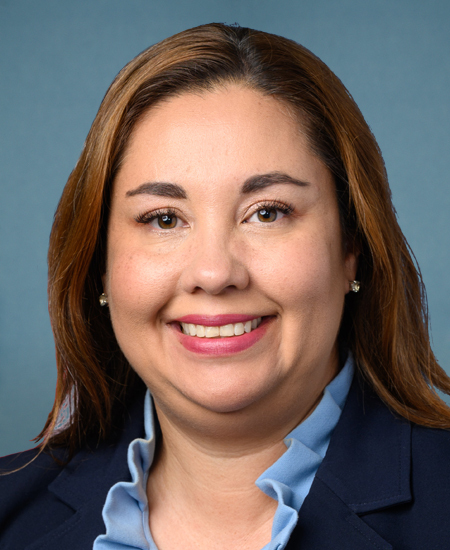
Rep. Yadira Caraveo
Sponsored bills
Maddy summaryThis bill extends eligibility for the WIC nutrition program to new mothers for 24 months after childbirth (up from six months) and extends breastfeeding support periods to 24 months (up from one year). It directly affects new mothers and infants who rely on WIC for nutrition assistance, breastfeeding support, and health services. Key provisions include amending the Child Nutrition Act to lengthen these benefit periods and requiring a report within two years evaluating health outcomes, breastfeeding rates, and family experiences. The report must assess impacts on maternal/infant health, racial disparities, and program effectiveness. This is a substantive policy change focused on improving access to critical postpartum support.
Justice for Incarcerated Moms Act This bill establishes new requirements related to grants, programs, and reports to improve the treatment and care of pregnant and postpartum women who are incarcerated. Specifically, the bill requires the following: states must restrict the use of restraints on pregnant women in prison in order to receive full funding under the Edward Byrne Memorial Justice Assistance Grant program; the Bureau of Prisons must establish programs to optimize maternal health outcomes for pregnant and postpartum women in federal prisons; the Bureau of Justice Assistance must award state grants for programs to support pregnant and postpartum women in state and local prisons and jails; and the Government Accountability Office must report on adverse maternal and infant health outcomes among incarcerated individuals and infants born to such individuals, with a particular focus on racial and ethnic disparities.
Maddy summaryThe FIGHT Act (HR 2742) amends the Animal Welfare Act to specifically target animal fighting events, such as cockfighting, by defining "rooster" as any male chicken over six months old and banning the live broadcasting (simulcasting) of such events. It prohibits using the postal service or interstate transport to move roosters for animal fighting purposes and adds civil enforcement tools allowing citizens to sue violators after a 60-day notice period. Fines up to $5,000 per violation may be imposed, and property used in animal fighting ventures can be seized. These changes strengthen enforcement against animal fighting by expanding legal remedies for the public and authorities.
Maddy summaryHR 2723 (Local Farms and Food Act of 2023) reforms the Local Agriculture Market Program to support local food systems. It extends funding periods to 2024-2028, increases annual funding to $75 million for program grants and $30 million for partnerships, and creates simplified application processes for projects under $100,000. The bill defines "food hub" to include businesses aggregating and distributing local food products, and adds new project categories like farmers market staff support and food safety equipment. It directly affects small local farms, food hubs, and rural communities by improving access to grants and reducing administrative barriers for market development.
Protecting Young Minds Online Act This bill requires the Substance Abuse and Mental Health Services Administration to implement a strategy for addressing the effects of social media and other new technologies on children's mental health.
Maddy summaryThe PAST Act of 2023 amends the Horse Protection Act to ban specific devices used to cause pain (soring) in horses at shows, particularly affecting Tennessee Walking Horses, Racking Horses, and Spotted Saddle Horses. It defines prohibited "action devices" (like boots or chains causing friction) and requires licensed, conflict-free inspectors at events to enforce rules. The bill increases penalties for violations to up to $5,000 fines or 3 years in jail, and mandates longer disqualifications for repeat offenses (180 days → 1 year → 3 years). Horse show organizers, exhibitors, and participants must comply with these new inspection and penalty requirements.
This resolution reaffirms the central role of local frontline health workforces in achieving global health objectives. The resolution also urges greater global attention and support for local frontline health workers.
Maddy summaryHR 3238, the Affordable Housing Credit Improvement Act of 2023, updates the Low-Income Housing Tax Credit (LIHTC) program to increase the availability of affordable housing across the United States. The bill makes several key changes including increasing state funding formulas, modifying tenant eligibility rules to better serve vulnerable populations (such as domestic violence victims and students), and expanding credit eligibility for projects in rural and Native American communities. Specific provisions raise the credit for properties serving extremely low-income households, clarify rules around tenant income increases, and require housing providers to protect victims of domestic violence. The bill also updates terminology from "low-income" to "affordable" throughout the tax code and enhances program transparency through data sharing requirements. These changes aim to make the LIHTC program more effective at creating and preserving affordable housing units for low-income households nationwide.
Maddy summaryThe Beagle Brigade Act of 2023 establishes a National Detector Dog Training Center to train dogs and handlers for detecting foreign pests and diseases threatening U.S. agriculture and natural resources. The Center will collaborate with agencies like U.S. Customs and Border Protection and state agriculture departments to safeguard farms and ecosystems. It requires annual funding for operations and mandates a congressional report within one year detailing pest threats, Center effectiveness, and recommendations for improving detection capabilities. The law directly affects agricultural protection efforts by enhancing canine-based prevention of invasive species.