

Maddy summaryHR 4621, the Interactive Federal Review Act, requires the Transportation Secretary to encourage the use of interactive digital platforms for environmental reviews of highway projects funded by specific federal programs (like INFRA, Mega, and RAISE grants). It mandates the Secretary to publish best practice guidance within 90 days, select at least 10 projects to demonstrate digital tools for community engagement and environmental analysis, and prioritize applications that plan to use such platforms. The bill also requires a report to Congress within 180 days detailing efficiency metrics and examples of digital workflows used in environmental reviews under NEPA. This affects state and local highway project sponsors receiving federal funds, aiming to streamline reviews and improve public access to project information.
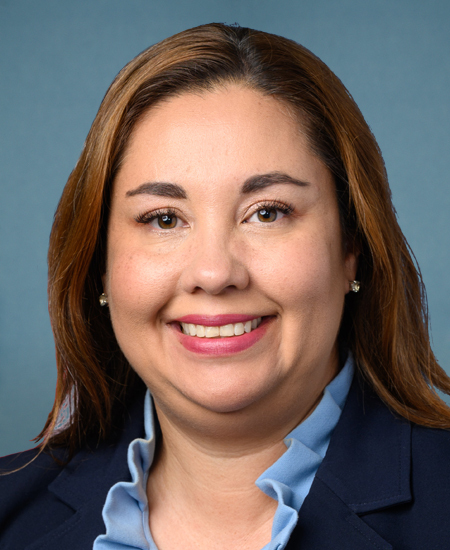
Rep. Yadira Caraveo
Sponsored bills
Protecting Kids from Fentanyl Act of 2023 This bill permits the use of the Preventive Health and Health Services Block Grant to address fentanyl in educational institutions. Specifically, grant funds may be used to (1) purchase naloxone or other opioid overdose reversal drugs for educational institutions, (2) train school nurses and other personnel on how to administer them, and (3) provide fentanyl awareness classes or materials to students.
Maddy summaryThe RISE from Trauma Act creates federal grants to support community-based coordination of trauma-informed services for children, youth, and families who have experienced or are at risk of trauma. It provides up to $6 million per grant to local entities that bring together diverse stakeholders (including schools, healthcare providers, law enforcement, and community organizations) to develop local strategies for preventing trauma, promoting resilience, and improving outcomes in health, education, and child welfare. The bill reauthorizes and expands existing programs like the National Child Traumatic Stress Network, school-based trauma support services, and hospital-based interventions for trauma patients. It also includes specific funding increases for these programs and requires grant recipients to prioritize communities with high rates of trauma exposure, including those affected by violence, substance misuse, or systemic inequities.
Maddy summaryThe FRIDGE Act of 2023 authorizes $1 million annually (2024-2028) to provide technical assistance for improving cold chain infrastructure in developing countries. It directly affects U.S. agricultural exporters by addressing infrastructure gaps that cause food loss and export damage, and it targets developing nations needing upgrades to cold storage, transport, and port systems. The bill requires the Secretary of Agriculture to fund needs assessments, training, and infrastructure support through agreements with eligible trade organizations. This concrete funding mechanism aims to reduce food waste and expand U.S. agricultural exports by strengthening supply chains in key markets.
Maddy summaryThis bill creates a federal grant program to help communities address childhood trauma from violence or neglect. It authorizes $10 million annually (2024-2027) for states, local governments, tribes, and community organizations to establish "adverse childhood experiences response teams." These teams would develop protocols for trauma cases, connect families with mental health services, train first responders, and break down barriers to care. The program directly supports children exposed to trauma and the organizations providing services to them.
Child Care Investment Act of 2023 This bill increases the employer-provided child care tax credit, the amount excludable from gross income for dependent care flexible spending accounts, and makes the household and dependent care tax credit refundable. Among other provisions, the bill increases the rate of the employer-provided child care tax credit from 25% to 50% and increases the maximum credit amount from $150,000 to $500,000. It also increases (1) the pre-tax deduction for dependent care flexible spending accounts from $5,000 to $10,000, plus an additional $2,000 for each eligible dependent; and (2) the rate of the household and dependent care tax credit and makes such credit refundable.
Maddy summaryHR 4550 creates a federal grant program to help public elementary, secondary, and preschool schools recruit and retain paraprofessionals (school support staff like teaching assistants). The bill directs the Secretary of Education to fund state education agencies, which then distribute subgrants to schools - prioritizing those serving high numbers of low-income students - to support activities like mentoring programs, professional development, and wage increases or certification assistance (e.g., for special education or English learner support). States must report annually on wage baselines, paraprofessional numbers, and program outcomes. This bill directly affects schools and paraprofessionals, with funding authorized for fiscal years 2024-2028.
Maddy summaryThe DISCLOSE Act of 2023 would increase transparency in political spending by requiring organizations making campaign-related disbursements over $10,000 to disclose the names and addresses of their major donors, including the top five funders for political communications. It would close loopholes allowing foreign nationals to secretly fund election activities through corporations or other entities by expanding the definition of prohibited foreign contributions. The bill would mandate "stand by every ad" disclosure requirements for political communications across all media, including audio, video, and internet ads, requiring clear identification of funders. It would also require reporting of disbursements related to Federal judicial nominations, which currently aren't subject to disclosure requirements. These provisions would apply to corporations, labor organizations, and certain nonprofits that engage in political activity.
Maddy summaryThe IDEA Full Funding Act (HR 4519) mandates specific annual increases in federal funding for special education programs under the Individuals with Disabilities Education Act (IDEA). It requires Congress to appropriate increasing amounts each fiscal year - from $5.87 billion for 2024 up to $55.53 billion for 2033 - to reach 40% of the national average per-pupil expenditure for public schools by 2033. This directly affects all public school districts serving students with disabilities, as federal IDEA funding supports their special education services. The bill sets fixed dollar amounts or percentage targets (whichever is greater) for each fiscal year, aiming to gradually close the long-standing gap between promised and actual federal funding. It does not alter eligibility for services but mandates higher, phased funding levels to meet the 40% target.
Maddy summaryHRES 561 is a non-binding House resolution opposing state laws that criminalize access to essential health care. It specifically condemns using criminal penalties against people for pregnancy outcomes (such as miscarriages), seeking abortion or contraception, or receiving gender-affirming care, and disapproves of punishing health care providers or supporters for facilitating such care. The resolution affirms that patients deserve access to reproductive and gender-affirming health services without fear of prosecution or discrimination. It emphasizes that criminalizing these health care decisions violates patient rights and ethical provider obligations, without creating new legal requirements.