

Maddy summaryHRES 806 is a symbolic resolution designating October 2023 as "World Menopause Awareness Month" and expressing the House's support for improved global awareness and access to care during menopause. It highlights that menopause affects millions of women, with symptoms like hot flashes (experienced by 75% of U.S. women) and potential impacts on work productivity and health risks like heart disease. The resolution encourages the Health and Human Services, Defense, and Veterans Affairs secretaries to share menopause information, fund research, and update treatment tools to support women's health. It does not create new laws or funding but aims to raise awareness and guide existing agency efforts.
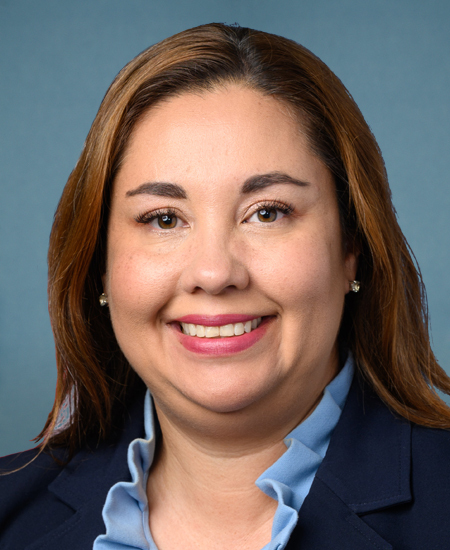
Rep. Yadira Caraveo
Sponsored bills
Maddy summaryHR 6204, the "See the Board Act," establishes a federal grant program to provide free eye care services to students in public elementary and secondary schools. The bill directs the Health and Human Services Secretary to fund nonprofit organizations that operate mobile eye clinics using portable equipment to deliver screenings, exams, and glasses directly at schools. This program covers costs for equipment, personnel, and operational expenses, targeting students in schools defined under the Elementary and Secondary Education Act. The initiative is authorized for fiscal years 2024 through 2029.
Maddy summaryHR 5976, the Youth Mental Health Research Act, establishes a new NIH research initiative led by the National Institute of Mental Health. The bill directs collaboration between three NIH institutes to coordinate research on youth mental health, focusing specifically on building community resilience for at-risk youth and improving how mental health services reach young people in schools, communities, and other settings where they live and work. It authorizes $100 million annually for fiscal years 2024 through 2028 to fund this research. The bill does not create direct services but aims to generate evidence to inform future mental health support strategies for young people.
Maddy summaryThe Healthcare Workforce Resilience Act (HR 6205) reallocates unused employment-based immigrant visas from fiscal years 1992-2021 to directly support foreign nurses and physicians seeking permanent residency in the U.S. It creates 40,000 new visas - 25,000 for nurses and 15,000 for physicians - available only to those with petitions filed within three years of the bill’s enactment. The bill includes expedited processing without fees, exempts these visas from country limits, and requires employers to attest that hiring foreign workers won’t displace U.S. workers. This policy change specifically targets healthcare staffing shortages by streamlining pathways for qualified foreign healthcare professionals.
Maddy summaryThe REPAIR Act requires car manufacturers to provide vehicle owners and independent repair shops with free, unrestricted access to vehicle data and repair information. It bans manufacturers from using technological or legal barriers to block access to diagnostics, tools, or aftermarket parts, and prohibits mandating specific brands for repairs or restricting customers’ choice of repair facility. The law also prevents manufacturers from requiring waivers of these rights as a condition of purchase, lease, or warranty service. The Federal Trade Commission will enforce these provisions to ensure fair competition in vehicle repair.
This resolution recognizes Israel as a close ally and condemns Hamas' attacks against Israel, as well as any countries or groups facilitating those attacks. The resolution also recognizes the protection of the Israeli people against Hamas rocket attacks as a matter of importance and calls upon the House of Representatives to account for Israel's need for interceptor missiles when authorizing or appropriating funds to respond to Hamas' October 7, 2023, attacks against Israel.
Maddy summaryHRES 832 is a symbolic resolution recognizing Día de los Muertos (Day of the Dead) as an annual cultural observance in the U.S. and globally. It acknowledges the holiday's origins in Mesoamerican traditions, its significance in honoring deceased loved ones through altars (*ofrendas*), and its role in celebrating Latino cultural heritage. The resolution specifically highlights the contributions of Mexican and Mexican American communities to U.S. society and culture, without creating new laws or obligations. It is a ceremonial gesture by Congress, not a policy with concrete effects on individuals or communities.
Maddy summaryThis bill amends the tax code to allow taxpayers to deduct over-the-counter naloxone purchases as medical expenses, similar to insulin. It directly affects individuals who buy naloxone without a prescription for personal or family use. The key provision adds "naloxone" to the list of deductible medical items under Section 213(b) of the Internal Revenue Code. The change applies to taxable years beginning after the bill's enactment date.
Maddy summaryHR 5937, the National Children’s Museum Act, formally designates the National Children’s Museum (operating as a nonprofit under IRS 501(c)(3)) as the official national children’s museum and secures its space in the Ronald Reagan Building. The bill requires the General Services Administration (GSA) to enter a cooperative agreement providing the museum with rent-free use of its current 32,369-square-foot space (suite C-001) for the duration of its existing lease, subject to the museum maintaining its 501(c)(3) status and using the space as a children’s museum. Funding for this arrangement will come from existing GSA funds (Pennsylvania Avenue Development Corporation or International Trade Center funds), and the museum must submit annual reports on operations and finances to specific congressional committees. This procedural bill primarily affects the museum’s operational stability and space agreement, not broader policy.
Maddy summaryHR 6067, the Early Childhood Nutrition Improvement Act, amends the National School Lunch Act to improve nutrition programs for young children in child care settings. It requires annual eligibility reviews for proprietary child care centers (Section 2) and directs the Secretary to streamline the "serious deficiency" process, clarifying what constitutes serious noncompliance versus minor errors and establishing formal appeals procedures (Section 3). The bill also adjusts meal reimbursement limits for child care programs and mandates a study on third-meal reimbursement, while creating an advisory committee to reduce paperwork burdens for child care centers, family day care homes, and parents (Sections 4, 6). These changes aim to modernize program administration, reduce administrative complexity, and ensure fairer treatment for participating providers and families.