

Maddy summaryHRES 1419 is a symbolic resolution recognizing Overdose Awareness Day and committing the House to strengthen efforts against the opioid crisis. It does not create new law but formally: (1) recognizes Overdose Awareness Day, (2) pledges to advance bipartisan policies reducing stigma around substance use disorders, and (3) commits to collaborating with states, communities, and organizations to support prevention, treatment, harm reduction, and recovery services. The resolution highlights the crisis' severity - including 932,000 overdose deaths since 1999 and a $1 trillion annual economic burden - but focuses on shared goals rather than specific policy changes. It directly affects congressional action and public messaging, not individual citizens or programs.
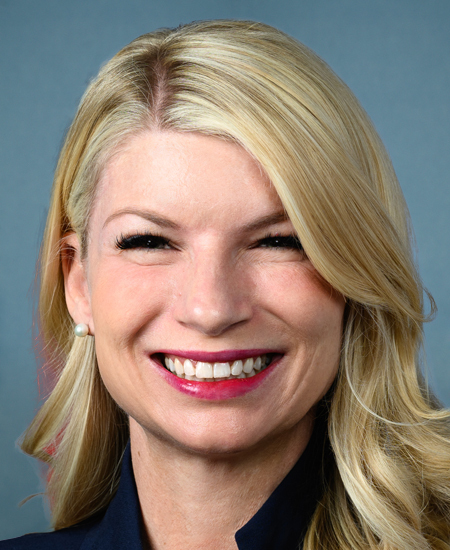
Rep. Brittany Pettersen
Sponsored bills
Maddy summaryHR 3507, the "Yes In My Backyard Act," requires local governments receiving certain federal Community Development Block Grants (CDBG) to report on their progress toward adopting specific housing-friendly land use policies. It directly affects cities and counties that administer CDBG funds by mandating they submit plans tracking 22+ policy changes, such as allowing duplexes in single-family zones, reducing parking requirements, or streamlining permits. The bill does not require local governments to adopt these policies but requires them to document their current status and plans for implementation. This reporting mechanism aims to identify barriers to affordable housing without binding local governments to specific actions. The requirement applies to CDBG recipients starting one year after the bill's enactment.
Maddy summaryHR 3161, the CDFI Fund Transparency Act, requires the Treasury Secretary (or their designee) to annually testify before the House Financial Services Committee and Senate Banking Committee about the operations of the Community Development Financial Institutions (CDFI) Fund. This testimony would cover the Fund's activities from the previous year and is requested at the discretion of the committee chairs. The bill does not change how the CDFI Fund provides funding but mandates regular reporting to Congress on its operations. It directly affects the Treasury Department's reporting obligations and the congressional committees overseeing the Fund. This is a procedural transparency measure, not a substantive policy change.
Maddy summaryHR 7015, the CAREERS Act, expands federal funding for workforce training programs to better serve rural communities. It modifies eligibility to include career and technical education schools and requires training programs to align with specific rural industry sectors like broadband, healthcare, agriculture, manufacturing, and water services. The bill mandates grantees to report on employment outcomes for participants and addresses rural workforce challenges such as worker displacement and youth migration. This directly affects rural workforce development boards, training providers, and workers in designated rural industries seeking job skills and career pathways.
Maddy summaryThis bill creates a new Medicaid option for states to cover substance use disorder treatment in specific mental health facilities. It applies to individuals under 65 with a substance use disorder who receive care in designated residential treatment centers meeting federal standards. States adopting this option would receive 90% federal funding for the first five years, with treatment periods limited to evidence-based medical necessity (re-evaluated every 30 days). The bill also includes $25 million in planning grants to help states implement this new option.
Maddy summaryThe Helping Young Americans Save for Retirement Act (HR 9281) allows workers aged 18 and older to join employer retirement plans earlier by lowering the eligibility age from 21 to 18. To qualify, employees must complete at least 500 hours of service in each of two consecutive 12-month periods, rather than waiting until age 21. The bill amends the Employee Retirement Income Security Act (ERISA) and the Internal Revenue Code to implement this change, effective for retirement plan years starting after December 31, 2025. This policy directly affects young workers in eligible employer-sponsored retirement plans who meet the service requirements.
Maddy summaryThis bill reauthorizes the Debbie Smith DNA Backlog Grant Program, which provides federal funding to state and local law enforcement agencies to reduce backlogs in processing DNA evidence from crime scenes. It extends the program's funding period from fiscal years 2024 through 2029 (previously ending in 2024). The bill also updates audit requirements to ensure grant funds are used properly through 2029. This directly affects law enforcement agencies that receive these grants to accelerate DNA analysis for criminal investigations.
Maddy summaryHRES 1381 is a symbolic resolution that commemorates the United States Olympic and Paralympic Teams' historical achievements, including over 5,300 total medals across past Games. It expresses congressional support for U.S. athletes competing in the 2024 Summer Olympics and Paralympics in Paris, France, and commends the Government of France for hosting the events. The resolution also commits to ensuring a safe environment for the 2028 Los Angeles Olympic and Paralympic Games. As a non-binding expression of support, it does not create new laws or allocate funds.
Maddy summaryThe BRAIN Act (HR 9113) establishes new research networks and funding mechanisms to advance brain tumor treatment and care. It requires the NIH to create a searchable database of brain tumor biospecimens, authorizes $50 million annually for a Glioblastoma Therapeutics Network, and allocates $10 million yearly for CAR-T cell therapy research. The bill also mandates a national awareness campaign about clinical trials and biomarker testing, and funds pilot programs to improve long-term care for brain tumor survivors. These provisions directly affect researchers, patients, healthcare providers, and survivors, with funding allocated for fiscal years 2026 through 2030.
Maddy summaryThe John Griffin Regional Reservoir Project Act (HR 9089) allocates $50 million specifically for water and water supply infrastructure projects in Fremont County, Colorado. It amends the Water Resources Development Act of 1992 to add this funding under Section 219(f), directly supporting Fremont County's local water management needs. The bill provides a one-time federal appropriation for infrastructure improvements, without specifying exact projects or creating new requirements. This funding will benefit county residents and water authorities by enhancing local water supply systems.