Protect and Serve Act of 2021 This bill establishes a new criminal offense for knowingly assaulting a law enforcement officer and causing serious bodily injury (or attempting to do so) in circumstances that affect interstate commerce. It imposes criminal penalties—a prison term, a fine, or both—on a violator.
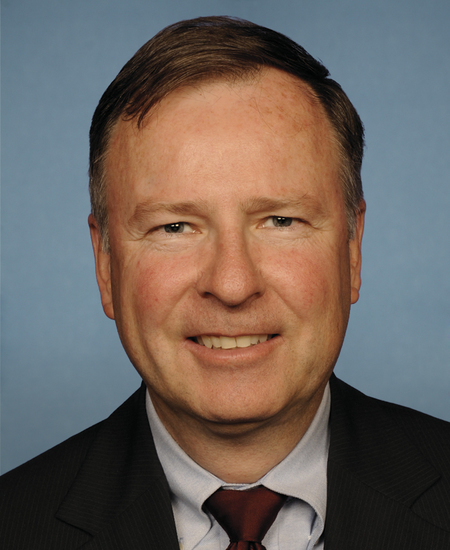
Rep. Doug Lamborn
Sponsored bills
Our Veterans Earned It Act This bill prohibits members of the Armed Forces who refuse to receive a COVID-19 vaccination from being denied a federal benefit they are entitled to by reason of their service in the Armed Forces.
This resolution recognizes the importance of gig workers (i.e., workers hired on a per-project basis) and other independent contractors to the economy.
Stop Military Selective Service Registration Act This bill repeals the Military Selective Service Act, which requires most men of ages 18 through 25 years old to register with the Selective Service System in case a draft is reinstated. The assets, contracts, property, unexpended balances and records held by the Selective Service System must be transferred to the Office of Selective Service Records (reestablished by this bill) upon the repeal. The bill prohibits the reenactment of the Military Selective Service Act or reestablishment of the Selective Service System unless there is a vote by two-thirds of each chamber of Congress.
End the Draft Act This bill repeals the Military Selective Service Act, which requires most men of ages 18 through 25 years old to register with the Selective Service System in case a draft is reinstated. The assets, contracts, property, unexpended balances, and records held by the Selective Service System must be transferred to the General Services Administration upon the repeal. The Office of Personnel Management must assist officers and employees of the Selective Service System to transfer to other positions in the executive branch.
Maddy summaryHRES 754 is a non-binding resolution expressing the House of Representatives' opposition to proposed "punitive natural gas taxes" on U.S. businesses, families, and workers. It cites claims that such taxes would raise average energy bills by 17%, reduce GDP by $9 billion, and eliminate 90,000 jobs, while disproportionately harming low-income households. The resolution argues that opposing these taxes supports U.S. energy security, national security, and continued leadership in reducing emissions through domestic natural gas production. As a procedural resolution, it does not create law but formally states the House's position against this policy approach.
Championing our Parents Act of 2021 This bill prohibits the use of federal funds to facilitate certain law enforcement partnerships to address threats against school personnel.
Simon Crosier Act This bill requires hospitals and other health care providers, as a condition of Medicare and Medicaid participation, to have certain written policies and procedures in place that limit the implementation of do-not-resuscitate (DNR) orders for unemancipated minors in accordance with specified criteria. Among other provisions, such policies and procedures must (1) require the informed consent of at least one parent and a reasonable attempt to contact the other parent before instituting a DNR order, (2) allow either parent to refuse to consent to a DNR order, and (3) allow a parent to transfer a minor to another facility after being informed of an intent to institute a DNR order.
This resolution recognizes the ultimate sacrifice of the unknown soldiers interred at Arlington National Cemetery and expresses gratitude and appreciation of all the members of the Armed Forces who have served during wars and peacetime. Additionally, the resolution commends all members of the 3d Infantry Regiment, specifically those who guard the Tomb of the Unknown Solider.
Maximum Pressure Act This bill expands sanctions and economic penalties on Iran. It also restricts the President from unilaterally lifting or waiving the sanctions or penalties and increases congressional oversight of them. Specifically, the bill requires the President to impose visa- and asset-blocking sanctions. Additionally, it modifies existing sanctions, including by (1) providing statutory authority for executive orders imposing sanctions; (2) applying sanctions to additional sectors of Iran's economy; and (3) broadening sanctionable conduct to cover, for example, assisting Iran with the acquisition of ballistic missiles and the complicity of Iranian officials in human rights violations in specified countries. The bill also requires reporting on licenses that authorize activities subject to sanctions. The bill prohibits U.S. representatives at the International Monetary Fund from voting to allow Iran's access to special drawing rights (a currency support tool) and places restrictions on financial transactions with Iran. The restrictions include requiring domestic financial institutions to implement special measures with respect to foreign financial institutions that conduct significant transactions connected to the Instrument in Support of Trade Exchanges (a European mechanism that bypasses U.S. sanctions when carrying out trade with Iran). The Department of State must maintain the Islamic Revolutionary Guard Corps' designation as a terrorist organization and must designate Ansharallah (or Houthis), which operates in Syria, as a foreign terrorist organization. The bill also requires reports on U.S. sanctions concerning Iran, the status of Iran's nuclear weapons program, and other matters.