

Maddy summaryHR 3853, the Roadless Area Conservation Act of 2023, requires the U.S. Forest Service to enforce existing protections against road construction, reconstruction, and logging in designated roadless areas within the National Forest System. It directly affects Forest Service management practices and ensures these areas - critical for clean water, wildlife habitat, recreation, and tribal cultural sites - remain undisturbed. The bill codifies the current Roadless Rule, which already prohibits such activities in inventoried roadless areas, without creating new restrictions on non-roadless lands or limiting permitted uses like hiking or hunting. This preserves existing protections for over 58 million acres of National Forest land without altering the Forest Service’s multiple-use management approach.
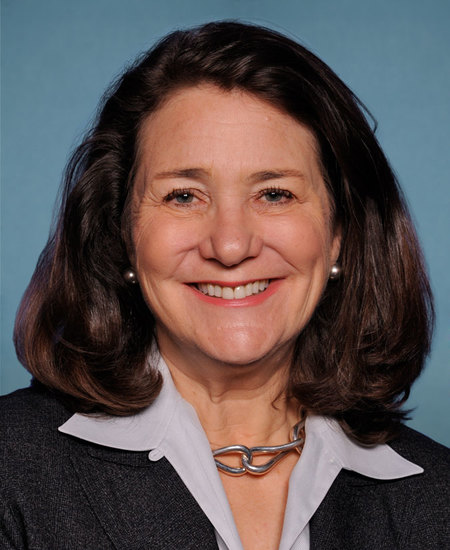
Rep. Diana DeGette
Sponsored bills
Maddy summaryHRES 561 is a non-binding House resolution opposing state laws that criminalize access to essential health care. It specifically condemns using criminal penalties against people for pregnancy outcomes (such as miscarriages), seeking abortion or contraception, or receiving gender-affirming care, and disapproves of punishing health care providers or supporters for facilitating such care. The resolution affirms that patients deserve access to reproductive and gender-affirming health services without fear of prosecution or discrimination. It emphasizes that criminalizing these health care decisions violates patient rights and ethical provider obligations, without creating new legal requirements.
Maddy summaryThis bill prohibits defendants in federal criminal cases from using a victim's LGBTQ+ identity (sexual orientation, gender identity, or expression) as a legal excuse for violence or to reduce sentences - a practice known as the "LGBTQ+ panic defense." It specifically bans arguments that a "nonviolent sexual advance or perception" of the victim's identity justified the crime, while allowing evidence of the defendant's past trauma under standard evidence rules. The law directly affects federal criminal trials where defendants attempt to justify violence against LGBTQ+ victims using prejudice-based excuses. It also requires the Attorney General to report annually on federal prosecutions involving bias-motivated crimes against LGBTQ+ individuals.
Maddy summaryHR 4340, the Therapeutic Fraud Prevention Act of 2023, prohibits paid providers from offering conversion therapy - defined as any commercial service attempting to change a person's sexual orientation or gender identity - and bans advertising that claims such therapy is effective or harmless. It directly affects therapists, counselors, or organizations offering paid conversion therapy services, including those advertising such services. Key provisions make it unlawful to provide, advertise, or facilitate paid conversion therapy, with enforcement led by the Federal Trade Commission (FTC) under consumer protection laws and allowing states to pursue civil actions. The bill explicitly excludes supportive care for gender transition or identity exploration from its definition of prohibited therapy.
This resolution expresses support for (1) equal rights and protections for all people, regardless of actual or perceived sexual orientation, gender identity, or sex characteristics; and (2) the designation of LGBTQI+ Equality Day to commemorate Supreme Court decisions handed down on June 26 in 2003, 2013, and 2015. The resolution also acknowledges the need for further legislation to ensure that people in the United States are free from all forms of discrimination on the basis of actual or perceived sexual orientation, gender identity, or sex characteristics.
Equal Access to Reproductive Care Act This bill includes assisted reproduction as a tax deductible medical expense. It defines assisted reproduction as any methods, treatments, procedures, and services for effectuating a pregnancy and bringing it to term, and treats it as medical care of the taxpayer, the taxpayer's spouse, or a dependent to the extent that they intend to take legal custody or responsibility for any children born as a result of such assisted reproduction.
Maddy summaryThe HERO Act establishes a national data system to track suicides among public safety officers, including firefighters, EMTs, police, and telecommunicators, collecting detailed statistics by age, gender, occupation, and employment status (career, volunteer, or retired). It mandates annual reports to Congress and public availability of findings to identify suicide trends and effective interventions. The bill also funds peer-support wellness programs for fire/EMS departments, behavioral health programs for healthcare providers, and resources to train mental health professionals on treating public safety personnel. All data collection and program provisions include strict privacy safeguards to protect confidentiality and prohibit using suicide data to deny survivor benefits.
Maddy summaryHR 4268, the Reproductive Health Travel Fund Act of 2023, would provide $350 million annually (2024-2028) in federal grants to nonprofit organizations that help individuals cover travel and logistical costs for accessing abortion care across state lines. The bill directly supports people living in states with abortion bans or severe restrictions who must travel for care, including expenses like transportation, lodging, childcare, meals, and lost wages. Grants may not fund abortion procedures themselves but cover related logistical barriers identified in the bill’s findings, such as increased travel times and costs post-Dobbs. Eligible organizations must provide unbiased, medically accurate assistance, with priority given to those serving individuals traveling to access abortion services.
Maddy summaryHR 4211 requires the EPA to create and update an online compendium of air quality monitoring technologies, including low-cost sensors and satellite data, to help communities understand local pollution patterns. It establishes a working group with environmental justice community representatives to develop templates for integrated monitoring systems that combine ground sensors, modeling, and satellite data. The bill directs the EPA to conduct a national inventory of existing air monitoring infrastructure and identify high-priority areas - particularly near communities disproportionately affected by pollution - to target future monitoring efforts. This aims to address significant air quality variations (up to 800% block-to-block) and support hyperlocal data use for environmental justice communities.
Maddy summaryThe SAFE Act of 2023 extends a 2018 law that prohibits slaughtering animals for human consumption to include horses, donkeys, and other equine animals, such as ponies. It amends Section 12515 of the Agriculture Improvement Act of 2018 by updating the language to replace "dog or cat" with "dog, cat, or equine" in both the section title and the main prohibition. This change directly affects the livestock industry and slaughter facilities by banning the processing of equines for food. The bill modifies existing law without adding new enforcement mechanisms, closing a gap in animal protection.