

Maddy summaryHRES 1381 is a symbolic resolution that commemorates the United States Olympic and Paralympic Teams' historical achievements, including over 5,300 total medals across past Games. It expresses congressional support for U.S. athletes competing in the 2024 Summer Olympics and Paralympics in Paris, France, and commends the Government of France for hosting the events. The resolution also commits to ensuring a safe environment for the 2028 Los Angeles Olympic and Paralympic Games. As a non-binding expression of support, it does not create new laws or allocate funds.
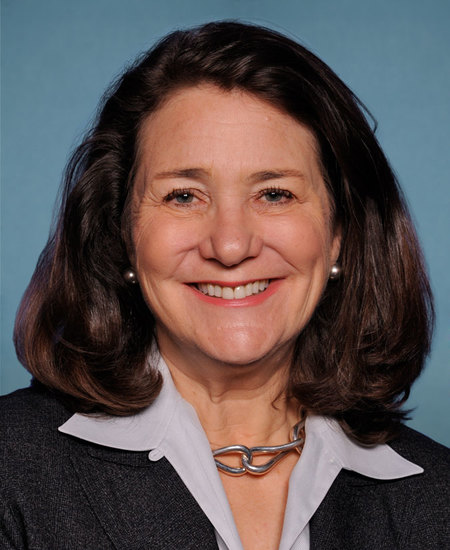
Rep. Diana DeGette
Sponsored bills
Maddy summaryHR 9104, the Access to Birth Control Act, requires pharmacies that normally stock contraception to provide birth control or related medications without delay if in stock, or immediately offer alternatives like referrals to other pharmacies or expedited orders if unavailable. It prohibits pharmacists from intimidating customers, misrepresenting availability, breaching confidentiality, or refusing to fill valid prescriptions for birth control. Pharmacies violating these rules face civil penalties up to $1,000 per day or private lawsuits. The law specifically applies to pharmacies that routinely carry contraception and excludes cases where a valid prescription is missing or payment cannot be made. It aims to address documented refusals to dispense birth control, particularly following the Dobbs decision.
Maddy summaryHouse Resolution 1372 proposes designating July 20, 2024, as "National Heroes Day" to honor everyday people who save lives during emergencies. It recognizes acts of courage from incidents like mass shootings (e.g., Aurora 2012, Uvalde 2022) where civilians protected others. The resolution encourages all Americans to observe the day through community service, displaying the U.S. flag, or other charitable acts. This is a symbolic, non-binding resolution with no new laws or funding.
Maddy summaryHRES 1361 is a non-binding resolution designating July 20, 2024, as "National Heroes Day" to honor everyday people who act courageously during crises, such as saving lives in mass shootings. It references events like the 2012 Aurora theater shooting and other recent tragedies but focuses on recognizing all community members who demonstrate selfless bravery. The resolution encourages Americans to observe the day through community service, reflection, and displaying the U.S. flag, without creating new laws or obligations. This symbolic gesture aims to inspire ongoing acts of compassion and service across the country.
Maddy summaryHRES 1355 is a non-binding resolution supporting the designation of July 10 as Journeyman Lineworkers Recognition Day. It honors lineworkers who maintain electrical infrastructure under hazardous conditions, including during disasters, and commemorates Henry Miller, the first president of the International Brotherhood of Electrical Workers, who died on July 10, 1896, while troubleshooting an electrical outage. The resolution encourages public recognition of these workers' contributions but does not create new laws or policies.
Maddy summaryHR 8923 establishes a dedicated Animal Cruelty Crimes Section within the Department of Justice's Environment and Natural Resources Division to enforce federal animal cruelty laws. The section will coordinate with agencies like the FBI, USDA, and U.S. Marshals to investigate and prosecute animal cruelty cases, which often require specialized handling. It must submit annual reports to Congress detailing prosecutions, convictions, and unfiled investigations, broken down by specific law and state. This bill directly affects federal law enforcement efforts in animal cruelty cases nationwide, aiming to reduce delays and improve enforcement.
Maddy summaryThis bill creates a federal framework for "extreme risk protection orders" (ERPOs) that temporarily remove firearms from individuals who pose a risk of harming themselves or others. Family members or law enforcement officers can petition a federal court for a temporary order (up to 14 days) based on probable cause, followed by a hearing within 72 hours to determine if a longer-term order (up to 180 days) is warranted. The bill requires clear and convincing evidence of risk at the hearing and mandates respondents to surrender firearms to law enforcement within 48 hours. It also includes provisions for reporting, training law enforcement on ERPOs, and a federal grant program to support state ERPO implementation, without preempting state laws.
Maddy summaryHR 8698, the SCREEN for Type 1 Diabetes Act of 2024, directs the CDC to launch a national public awareness campaign about type 1 diabetes detection and screening. The campaign will provide written materials on early symptoms and screening benefits, develop public service announcements across media platforms, and distribute culturally competent resources to healthcare providers, schools, and public health departments. It specifically targets communities with rising type 1 diabetes incidence and requires consultation with health organizations and affected communities. The bill authorizes $5 million annually from 2025-2029 to fund this campaign and mandates a report to Congress on its impact one year after enactment.
Maddy summaryHRES 1260 is a non-binding resolution expressing the U.S. House of Representatives' support for designating May 2024 as "Progressive Supranuclear Palsy Awareness Month." It recognizes progressive supranuclear palsy (PSP) as a rare neurodegenerative disease affecting approximately 30,000 Americans, with no known cure and symptoms including cognitive decline, balance issues, and speech difficulties. The resolution specifically supports raising public awareness, encourages research for better treatments and a cure, and commends efforts by patients, families, and organizations working to improve PSP care. As a symbolic gesture, it does not create new laws or allocate funding but aims to increase visibility for this under-recognized condition.
Maddy summaryThe George Floyd Justice in Policing Act of 2024 establishes a National Police Misconduct Registry to track complaints and disciplinary actions against officers, requiring all federal, state, and local law enforcement agencies to report use-of-force incidents with racial, gender, and age data. It bans chokeholds and carotid holds in police encounters, prohibits no-knock warrants in drug cases, and reforms qualified immunity to make it harder for officers to avoid accountability for misconduct. The bill mandates body cameras for federal officers, requires independent investigations of officer-involved shootings, and creates new data collection systems to monitor racial profiling and use-of-force patterns. It also includes provisions for civilian oversight boards, improved officer training on de-escalation and implicit bias, and restrictions on military equipment transfers to local police departments. This law affects all law enforcement agencies receiving federal funding under programs like Byrne and COPS grants.