

Maddy summaryHRES 751 is a non-binding resolution designating October 1, 2023, as "National Animal Rescue Day" to raise public awareness about animal adoption and spaying/neutering. It directly supports animal shelters, rescue organizations, and the public by encouraging adoption events, educational activities, and charitable support on that date. The resolution aims to reduce shelter overcrowding and euthanasia rates by promoting adoption and responsible pet ownership through nationwide observance. It does not create new laws or funding but expresses congressional support for existing animal rescue efforts.
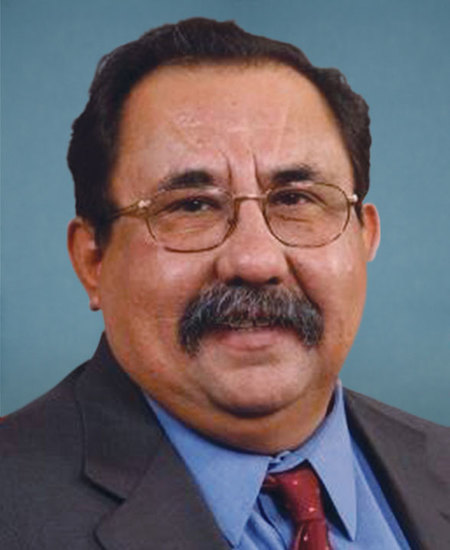
Rep. Raúl M. Grijalva
Sponsored bills
Maddy summaryThis resolution designates the week of September 25-29, 2023, as "National Clean Energy Week" to recognize the growing role of clean energy in the U.S. economy. It expresses support for clean energy jobs and innovation, noting the sector employed about 8.1 million people in 2022. The resolution encourages federal, state, and local investment in affordable clean energy technologies and promotes "commonsense solutions" for energy needs. As a symbolic gesture, it has no legal force or funding implications - it simply urges recognition of clean energy's economic and environmental contributions.
Maddy summaryHR 5827, the Tenants’ Right to Organize Act, grants tenants in federally assisted housing the right to form and join tenant organizations to address housing issues without fear of retaliation. It directly affects tenants receiving tenant-based rental assistance (like Section 8 vouchers) and tenants in low-income housing tax credit (LIHTC) properties. Key provisions require public housing agencies and property owners to recognize tenant organizations, allow protected activities (such as leafleting and door-to-door outreach), and prohibit retaliation - while establishing an enforcement protocol for complaints and quarterly reporting to Congress. The bill also mandates annual notifications to tenants about their organizing rights and includes specific protections for LIHTC properties through owner compliance requirements and fines for violations.
Maddy summaryHR 5833, the Protection of Saudi Dissidents Act of 2023, restricts U.S. military sales to Saudi Arabia’s intelligence, security, and law enforcement agencies for three years. It prohibits defense exports during 120-day periods unless the President certifies Saudi Arabia has not engaged in forced repatriation, intimidation, or killing of dissidents abroad, unjust imprisonment of U.S. residents, or torture. The bill also mandates reports on Saudi harassment of dissidents in the U.S., including whether Saudi diplomats used diplomatic facilities to monitor or harm Saudi nationals living in America, and requires an intelligence report on whether U.S. agencies fulfilled their duty to warn Jamal Khashoggi about threats before his 2018 murder. These provisions sunset after three years, with limited exceptions for defense against external threats or U.S. personnel security.
Maddy summaryThe NEWBORN Act creates a federal grant program to reduce infant mortality in the 50 U.S. counties with the highest rates, using $10 million annually from 2023-2027. It funds local health departments (including tribal, county, or state agencies) to design pilot programs addressing causes like preterm birth, maternal complications, and infant injuries through community assessments, outreach to at-risk mothers, and coordinated services such as postpartum care and smoking cessation. Grantees must report annually on program outcomes and methods, with no more than 10% of funds used for evaluation. The bill directly affects communities in high-mortality areas by supporting targeted, evidence-based interventions.
Maddy summaryThis bill replaces "Columbus Day" with "Indigenous Peoples’ Day" as the official federal holiday observed on the second Monday in October. It directly affects federal government operations and all federal documents, rules, or laws that previously referenced "Columbus Day" by automatically updating those references to "Indigenous Peoples’ Day" upon enactment. The key mechanism is a simple amendment to federal law (5 U.S.C. § 6103(a)) to change the holiday name and a provision ensuring all existing federal references to Columbus Day are legally treated as referring to Indigenous Peoples’ Day instead. This is a procedural change to federal holidays and references, not a new policy or program.
Maddy summaryHR 5797, the Protecting Immigrants From Legal Exploitation Act of 2023, targets fraud in immigration services by imposing criminal penalties on individuals who falsely claim legal authority or defraud immigrants. It makes it a federal offense to execute schemes involving false promises about immigration services (up to 10 years in prison) or falsely represent oneself as an attorney (up to 15 years), requiring full reimbursement to victims. The bill mandates that immigration service providers (non-lawyers charging fees) identify themselves and disclose fees when assisting applicants, and allows immigrants to withdraw fraudulent applications without penalty. It also requires government agencies to create outreach programs educating immigrants on legitimate legal services and establish procedures for corrected filings.
Maddy summaryThis bill requires federal agencies to adjust contract prices to reimburse contractors for paying employees during government funding lapses (e.g., shutdowns). It covers costs for furloughed, laid-off, or reduced-hour workers, or for restoring paid leave used during the lapse, with a weekly cap of $1,442 per employee. Directly affecting federal contractors and their employees who experienced work disruptions due to funding gaps, it mandates agencies to make these adjustments promptly after enactment. Contractors must provide proof of costs, and the Office of Federal Procurement Policy must report on implementation to Congress within a year.
Maddy summaryHR 5784 would provide federal grants to public schools (including Bureau of Indian Education schools) to make them more environmentally sustainable and equitable. It prioritizes schools in the most vulnerable communities (based on CDC Social Vulnerability Index) for full funding to become "healthy zero-carbon schools" through energy-efficient retrofits and new construction, while offering reduced funding for less vulnerable schools. The grants require community engagement in planning, mandate hiring from local communities with specific diversity goals, fund social services and mental health support, and include strict energy efficiency standards for all projects. The bill also includes funding for educational equity planning and climate resiliency programs to help schools serve as community centers during disasters.
Maddy summaryHRES 733 is a non-binding resolution expressing concern about the rising number of book bans in U.S. schools and libraries. It cites data showing nearly 3,400 book removals affecting 1,557 titles from July 2022-June 2023, with disproportionate targeting of books featuring LGBTQ+ themes (36%) and racial justice content (37%). The resolution urges school districts to follow established best practices for handling book challenges and reaffirms the importance of protecting students' access to diverse materials. It does not create new laws but calls for local governments to support free expression as protected by the First Amendment.