

This resolution declares that (1) the United States needs a Marshall Plan for Moms to revitalize and restore mothers in the workforce; and (2) mothers, especially mothers of color have been pushed to the brink of economic, social, and emotional collapse during the COVID-19 (i.e., coronavirus disease 2019) pandemic because of the existing economic and social inequalities women have long faced. The resolution also states that any relief and long-term recovery package to address the COVID-19 crisis must recognize and rebuild moms in the workforce by including certain policies such as establishing a robust paid leave plan; rebuilding and stabilizing the child care industry; providing necessary child poverty reduction tools for families' economic security that include recurring child benefits and an expanded and improved child tax credit and earned income tax credit; establishing an expanded unemployment insurance program that benefits struggling workers, including those experiencing long-term unemployment; raising the federal minimum wage to $15 per hour or higher for all minimum wage workers; and providing access to mental health support for mothers. Finally, the resolution declares that employers and policymakers must prioritize addressing the economic cliff facing mothers and make permanent the policies set forth in this resolution so that mothers are protected against any future economic calamities.
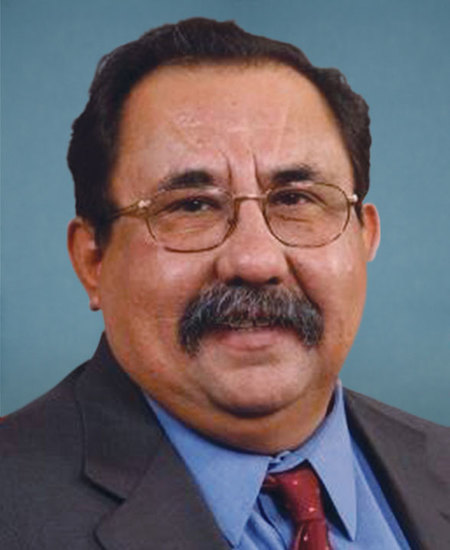
Rep. Raúl M. Grijalva
Sponsored bills
Living Donor Protection Act of 2021 This bill prohibits certain insurance carriers from discriminating against, and provides other protections for, living organ donors. Specifically, carriers may not deny, cancel, or otherwise impose conditions on policies for life insurance, disability insurance, or long-term care insurance based on an individual's status as a living organ donor. The bill also expressly specifies that recovery from organ-donation surgery constitutes a serious health condition that entitles eligible employees to job-protected medical leave. In addition, the Department of Health and Human Services must update educational materials on live organ donation to include information about the benefits of live organ donation and about access to insurance for living organ donors.
Electric Vehicles for Underserved Communities Act of 2021 This bill requires the Department of Energy (DOE) to support the deployment of electric vehicle charging infrastructure in underserved or disadvantaged communities. Specifically, DOE must establish an EV Charging Equity Program. Under the program, DOE must provide technical assistance and award grants to increase the deployment and accessibility of electric vehicle charging infrastructure in such communities. If practicable, DOE must ensure that relevant programs promote electric vehicle charging infrastructure, support clean and multimodal transportation, provide improved air quality and emissions reductions, and prioritize the needs of such communities.
Assuring You Uniform Dietary Assistance (AYUDA) Act of 2021 This bill makes the Commonwealth of the Northern Mariana Islands eligible to participate in the Supplemental Nutrition Assistance Program (SNAP, formerly known as the food stamp program).
ABLE Age Adjustment Act This bill increases from 26 to 46 the age threshold for tax-favored ABLE (Achieving a Better Life Experience) accounts. (ABLE accounts are designed to enable individuals with disabilities to save for and pay for disability-related expenses. To establish an account, an individual must have a qualifying impairment that began before the individual attained the age threshold.)
Electric Credit Access Ready at Sale Act of 2021 or the Electric CARS Act of 2021 This bill modifies and extends tax credits for electric cars and alternative motor vehicles. The bill extends the tax credit for new qualified plug-in electric drive motor vehicles through 2031. In addition, the bill modifies the credit to remove the limitation on the number of vehicles per manufacturer that are eligible for the credit, allow a taxpayer to assign the credit to a financing entity, and allow an unused credit to be carried forward for five years. The bill also extends through 2031 the tax credits for (1) alternative fuel vehicle refueling property, and (2) alternative motor vehicles.
Kids' Access to Primary Care Act of 2021 This bill modifies payments for Medicaid primary care services. Specifically, the bill applies a Medicare payment rate floor to Medicaid primary care services that are provided after the date of enactment of the bill and extends the payment rate to additional types of practitioners (e.g., obstetricians). The Centers for Medicare & Medicaid Services must conduct a study on the number of children enrolled in Medicaid, the number of providers receiving payment for primary care services, and associated payment rates before and after the bill's implementation.
West Coast Ocean Protection Act of 2021 This bill prohibits the Department of the Interior from issuing a lease for the exploration, development, or production of oil or natural gas in any area of the Outer Continental Shelf off the coast of California, Oregon, or Washington.
This resolution supports the designation of Public Schools Week.
Stop Corporations and High Earners from Avoiding Taxes and Enforce the Rules Strictly Act or the Stop CHEATERS Act This bill provides additional appropriations through FY2031 for the enforcement activities of the Internal Revenue Service and to increase audits yearly until 2025 to reach specified targets. It also provides additional appropriations for taxpayer services and operations support. The bill establishes new reporting requirements for certain banks or other financial institutions and increases enforcement penalties for accuracy-related underpayments of tax up to a maximum of 40% of the underpayment for taxpayers with a taxable income greater than $5 million.