

Maddy summaryThe Diversity Visa Protection and Modernization Act limits the executive branch's ability to completely stop the Diversity Visa Program, which provides immigration opportunities to applicants from countries with low rates of migration to the United States. Instead of allowing indefinite or broad pauses, the bill permits only targeted restrictions on specific countries, individual security denials, or temporary suspensions lasting no more than 60 days. Any such limitation requires the relevant government officials to notify Congress and publish details about the threat and legal basis at least seven days in advance. Additionally, the law ensures that individuals who have already received a Diversity Visa cannot lose their eligibility due to a temporary program-wide suspension.
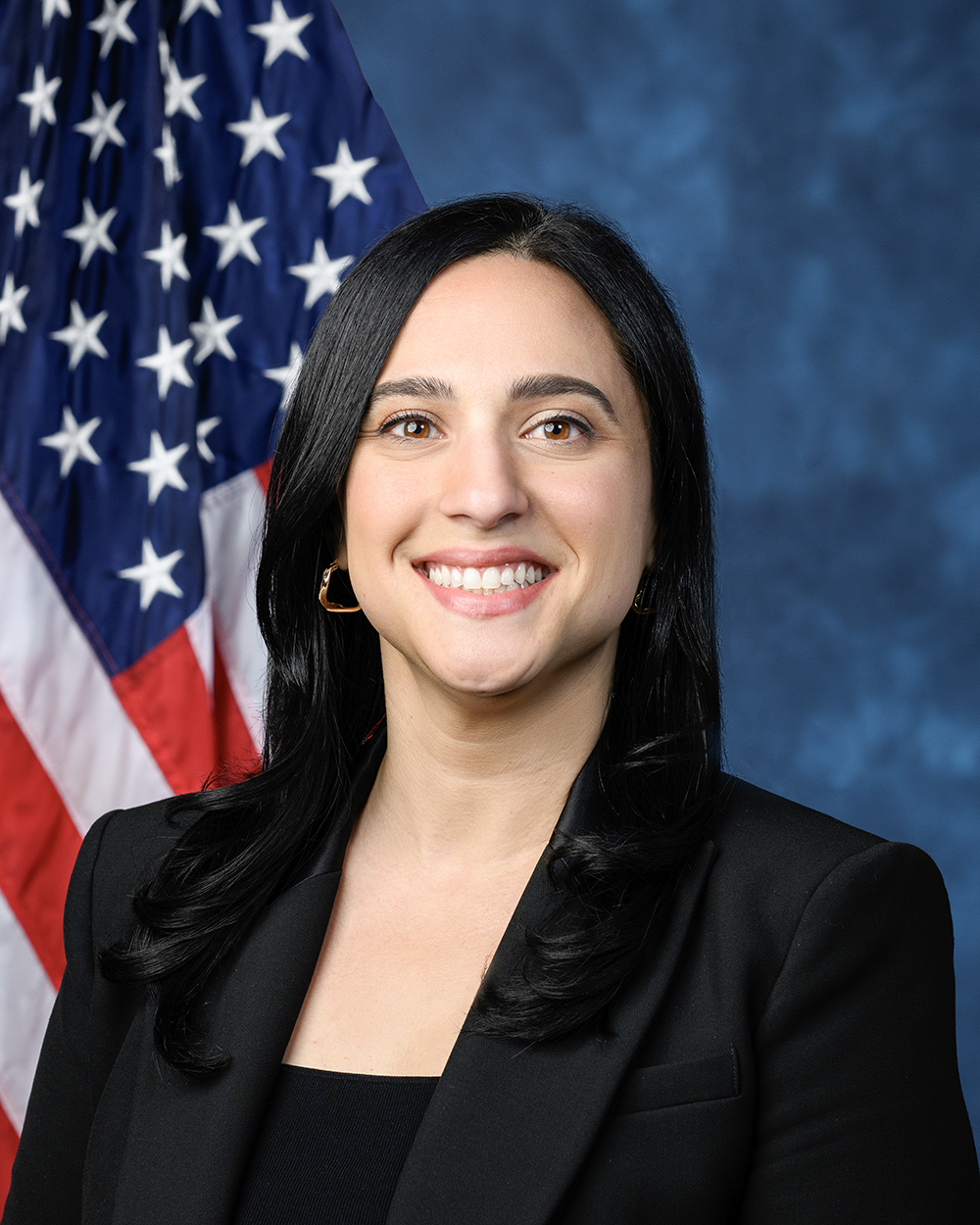
Rep. Yassamin Ansari
Sponsored bills
Maddy summaryThis resolution expresses the House of Representatives' sense that Congress must urgently restore the Voting Rights Act of 1965 to protect against racial discrimination in voting and ensure fair political representation for all Americans. It specifically calls for ending the 60-vote threshold in the Senate to allow for easier passage of legislation and proposes structural changes to the Supreme Court, including term limits for justices, a binding code of ethics, and potentially expanding the court's size. The text argues that recent Supreme Court decisions have weakened voting protections and enabled partisan gerrymandering, threatening the political power of communities of color and undermining democratic institutions. By outlining these specific legislative and structural goals, the bill aims to rebuild public trust in the judiciary and strengthen the mechanisms that guarantee equal access to the ballot box.
Maddy summaryThe Federal Workforce Reproductive Rights Protection Act prevents federal agencies from relocating headquarters or major operations to states with laws restricting or banning abortion, while also barring the use of funds to build or lease facilities in those locations. To support federal employees who need to access reproductive health care, the bill allows workers to decline transfers to restrictive states, grants up to 21 days of paid leave for travel to obtain such services, and provides reimbursement for travel costs without requiring disclosure of the specific medical procedure. Additionally, the legislation prohibits government agencies from investigating an employee's use of abortion services when reviewing security clearances or making personnel decisions and protects workers from retaliation if they exercise these new rights.
Maddy summaryThis bill redesignates the existing National Parks and Public Land Legacy Restoration Fund as the America's Legacy Restoration Fund to address deferred maintenance on federal lands. It directs revenue from recreation fees and a portion of energy development income into the fund, which must be used primarily for repairing critical infrastructure like roads, trails, and buildings managed by agencies such as the National Park Service and the Forest Service. The legislation establishes strict rules requiring that most funds go toward non-transportation projects, mandates transparency through public dashboards tracking project status, and sets aside a small percentage for matching private donations. Additionally, the bill increases entrance fees for foreign visitors to ensure they contribute to the fund, while prohibiting the use of these specific funds for land acquisition or employee bonuses.
Maddy summaryThis resolution commemorates the 50th anniversary of women enrolling in the U.S. Military, Naval, Air Force, and Coast Guard Academies. It formally designates a specific day to honor the history and achievements of female cadets and graduates, noting their significant contributions to military leadership and combat roles since 1976. The text highlights specific milestones, such as women earning the Army Ranger tab and commanding aircraft carriers, while acknowledging their continued service in both uniform and civilian sectors. Ultimately, the bill serves as a symbolic gesture to recognize the progress made by women in the armed forces without altering any existing laws or policies.
Maddy summaryThe VA Home Loan Navigator Act establishes a free, voluntary program to help veterans and eligible borrowers navigate VA home loan benefits. The Department of Veterans Affairs will fund independent, neutral organizations to provide education, counseling on loan processes, and assistance with issues like foreclosure prevention and understanding costs. To ensure fairness, the law strictly prohibits these service providers from receiving payments from lenders or real estate agents and requires them to remain operationally separate from any mortgage or brokerage businesses. Designated entities must meet specific criteria, including HUD approval and a primary mission of serving military families, while individual counselors must be certified and recertified every three years. The program will be monitored through regular reports to Congress evaluating borrower satisfaction and outcomes such as foreclosure prevention rates.
Maddy summaryThe Stop Spying Bosses Act establishes new federal rules to limit how employers collect, use, and share data about their employees and job applicants. This legislation directly affects private businesses with 11 or more workers, government agencies, and their employees by prohibiting the gathering of sensitive information such as biometric data, political views, or off-duty activities without a specific, disclosed business need. Key provisions require employers to clearly inform workers about what data is being collected and how it is used, grant employees the right to access and correct their personal records, and ban the sale of employee data to third parties. The bill also creates a new Worker Protection and Technology Division within the Department of Labor to oversee compliance and provides legal protections for workers who report violations, including the right to sue for damages and prohibiting forced arbitration for such disputes.
Maddy summaryThis House resolution reaffirms the United States' commitment to protecting refugees and displaced persons by calling for the restoration of the Refugee Admissions Program and asylum protections. It urges federal officials to lift current bans on refugee entry, resume vetting for approved applicants, and increase humanitarian aid to host countries. The measure highlights the economic contributions of refugees and emphasizes the need for fair, humane policies that align with international obligations and domestic law.
Maddy summaryThe Voting Systems Protection Act restricts the Federal Government from seizing election materials, such as voting machines and ballots, during a 240-day window surrounding Federal elections unless a court finds an immediate threat to election integrity. The law requires that any seizure be authorized by a warrant and mandates that a designated State official maintain continuous oversight of the handling and storage of these materials. Additionally, the bill establishes strict notification procedures, requiring Federal agencies to inform State officials and congressional leaders at least 48 hours before a seizure, with limited exceptions for emergencies. Violations of these rules, including tampering with seized items or obstructing State oversight, are subject to criminal penalties, civil lawsuits, and significant fines.
Maddy summaryThis resolution commemorates the 30th anniversary of Taiwan's first direct presidential election in 1996 and expresses support for the preservation of its democratic institutions. It acknowledges Taiwan's history of free elections and peaceful transfers of power while reaffirming U.S. policy commitments under the Taiwan Relations Act and previous agreements. The text explicitly states that it does not authorize the use of military force, serving as a symbolic statement rather than a legislative action that changes laws or policy.