

Maddy summaryThis bill sets a spending limit of $550 million for the Bureau of Labor Statistics (BLS) within the Department of Labor for fiscal year 2024, restricting available funds for its salaries and operations. It directly affects the BLS's budget planning and funding allocation for that fiscal year. The key provision is a strict cap on total funding, preventing the BLS from exceeding this amount for its core activities. This is a procedural budgetary measure with no policy changes beyond the specified funding limit.
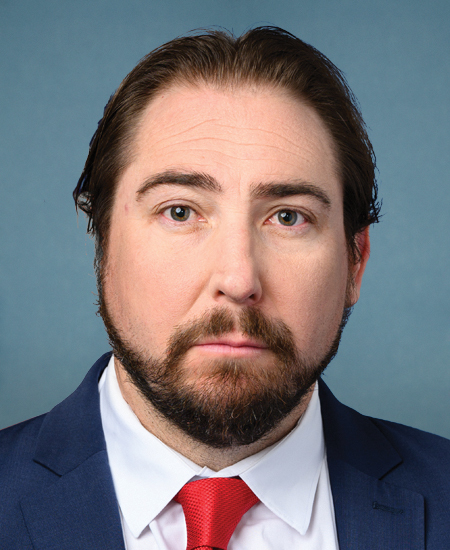
Rep. Elijah Crane
Sponsored bills
Maddy summaryHR 2152 sets a funding cap of $1.198 billion for the Bureau of Land Management's (BLM) "Management of Lands and Resources" program in fiscal year 2024. This bill directly affects the BLM's budget authority for managing public lands and resources. It does not change land management policies or create new programs, but instead restricts the total funds the BLM can use for this specific program during FY2024. The limitation applies to all funds authorized for this purpose, overriding other legal provisions.
Maddy summaryHR 2140 sets a fiscal year 2024 spending cap of $1,672,902,000 for salaries and expenses of the Securities and Exchange Commission and other independent agencies. This bill directly limits the available funds for these agencies' operations during 2024. The key provision is a strict maximum amount that cannot be exceeded for these specific budget items. It does not alter agency functions but restricts their funding level for the fiscal year.
Maddy summaryHR 1943 sets a funding cap of $373,816,000 for the Mine Safety and Health Administration (MSHA) within the Department of Labor for fiscal year 2024. This bill directly affects MSHA's budget authority by limiting its available funds for salaries and operations during that fiscal year. The provision is a procedural budget restriction, not a policy change, and applies specifically to MSHA's FY2024 funding.
Maddy summaryHR 1942 blocks all funding for the Occupational Safety and Health Administration (OSHA) under the Department of Labor for fiscal year 2024, setting its available funds to $0. This procedural bill directly affects OSHA's ability to operate, as it prevents the agency from using any federal resources for its workplace safety enforcement and oversight activities during 2024. The key mechanism is a strict limitation on funds, effectively halting OSHA's operations for the fiscal year without authorizing any spending.
Maddy summaryHR 1941 sets a spending limit of $59,098,000 for the Department of Labor's administrative expenses and the Energy Employees Occupational Illness Compensation Fund during fiscal year 2024. This bill directly affects the funding available for administering the Energy Employees Occupational Illness Compensation Fund, which provides benefits to workers who developed illnesses from radiation or toxic exposure during nuclear energy work. The key provision is a strict cap on annual funding for these specific administrative costs, preventing the use of additional funds beyond the set amount. This is a budgetary limitation, not a change to the compensation program's eligibility or benefit levels.
Maddy summaryHR 2151 sets a maximum spending limit of $51,515,000 for Independent Agencies and the U.S. Tax Court during fiscal year 2024. This bill directly affects these entities by restricting their available funding to the specified amount, overriding any other existing funding authorizations. The key provision is a strict cap on fiscal year 2024 appropriations, preventing additional funding beyond the $51.5 million limit. It does not change policy or create new programs, only limiting current funding levels for these specific federal bodies.
Maddy summaryThis bill (HR 1937) sets a funding cap of $117,601,000 for the Department of Labor's Office of Worker's Compensation Program's salaries and expenses during fiscal year 2024. It directly affects the program's budget by limiting available funds, preventing it from spending more than this specified amount. The bill does not change program rules or eligibility for workers; it only restricts the total funding level for administrative costs. This is a procedural budget measure, not a policy change impacting beneficiaries.
Maddy summaryHR 2150 sets a spending cap of $52,570,000 for fiscal year 2024 on funds authorized for Independent Agencies and the United States Postal Service (including payments to the Postal Service Fund). This bill directly affects federal agencies and the USPS by limiting their available funding for the 2024 fiscal year. The provision overrides other laws to enforce this specific dollar limit on appropriations. As a procedural funding measure, it does not create new policies but restricts current spending authority.
Maddy summaryHR 2138 sets a spending limit of $15.2 million for Independent Agencies and the Postal Regulatory Commission's salaries and expenses during fiscal year 2024. This bill directly affects those specific federal entities by restricting their available funding for operations and staff costs. The key provision is a strict cap on annual appropriations, preventing these agencies from exceeding the $15.2 million threshold. It does not alter agency functions or create new policies, only establishing a fixed funding limit for FY2024.