

Maddy summaryHR 2057 sets a maximum spending limit of $119.6 million for the Alcohol and Tobacco Tax and Trade Bureau (TTB) within the Department of the Treasury for fiscal year 2024. This bill directly affects the TTB's operating budget, restricting its ability to use funds beyond this cap for salaries and administrative expenses. The key provision is a statutory spending ceiling that overrides other funding authorizations, ensuring the TTB cannot exceed this specific amount during FY2024. This is a procedural budget constraint, not a policy change to tobacco or alcohol regulations.
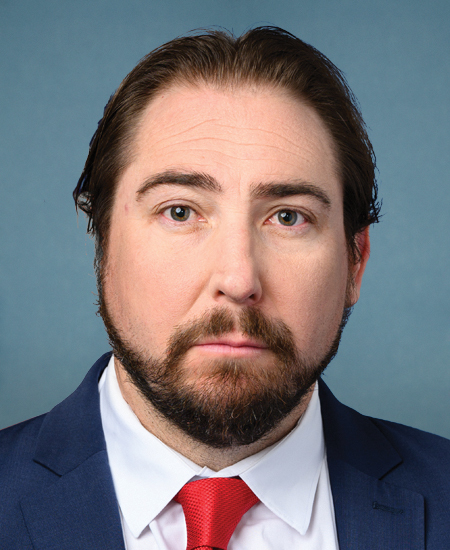
Rep. Elijah Crane
Sponsored bills
Maddy summaryHR 2100 sets a strict spending limit of $295,000 for specific judicial funding in the District of Columbia for fiscal year 2024. It directly affects the District's budget for judicial commissions and the Commission on Judicial Disabilities and Tenure by restricting available funds. The bill's key provision is a statutory cap that prevents these programs from exceeding the $295,000 threshold, regardless of other funding authorizations. This is a procedural budgetary measure with no additional policy changes or program expansions.
Maddy summaryHR 2090 sets a $40 million cap on federal funding for the District of Columbia's Resident Tuition Support program for fiscal year 2024. This bill directly limits the amount of money available to support DC residents attending colleges in the District. The provision overrides any previous funding authorization for this specific program, ensuring no more than $40 million is spent during the 2024 fiscal year. It does not change eligibility rules or create new benefits, only restricting the total available funds.
Maddy summaryHR 2037 sets a spending cap of $83,737,000 for the Corporation for National and Community Service (including programs like AmeriCorps) and related agencies for fiscal year 2024. This bill directly affects these organizations by limiting their available funding to the specified amount for salaries and operations. The key provision is a strict annual budget ceiling that prevents exceeding the $83.7 million threshold for these specific federal entities. The bill does not create new programs or policies but restricts existing funding levels for the designated agencies.
Maddy summaryHR 2099 sets a specific spending limit for a federal payment to the District of Columbia's Criminal Justice Coordinating Council in fiscal year 2024. It prohibits funds for this purpose from exceeding $2,150,000, directly affecting the council's budget allocation for that year. The bill’s key provision is a strict cap on available funds, preventing any higher disbursement without additional legislative action. This is a procedural funding limitation with no new program requirements or eligibility changes.
Maddy summaryHR 2089 imposes a spending cap of $18,953,000 for the Judiciary, U.S. Sentencing Commission, and related salaries and expenses during fiscal year 2024. This bill directly limits available funds for these entities, preventing them from exceeding the specified amount for the 2024 budget cycle.
Maddy summaryHR 2036 sets a spending cap of $190.55 million for fiscal year 2024 for the Corporation for National and Community Service and the National Service Trust, including related agencies. This bill directly affects these organizations by restricting their available funding to the specified maximum amount. The key mechanism is a statutory limit on fund availability, preventing appropriations from exceeding this threshold. The bill is procedural, focusing solely on budgetary constraints without altering program operations.
Maddy summaryThis bill sets a spending cap of $29,819,000 for the Judiciary, Federal Judiciary Center, and related salaries and expenses in fiscal year 2024. It directly affects federal judicial operations by limiting available funding for these specific purposes. The provision prevents any additional funds from being allocated beyond this specified amount for the designated judicial entities during FY2024.
Maddy summaryHR 2035 sets a funding cap of $786,629,000 for operating expenses of the Corporation for National and Community Service and "Related Agencies" during fiscal year 2024. This bill directly affects these specific federal entities by limiting the total funds they can receive for their operations. The key provision is a strict dollar limit that overrides other funding authorizations for these agencies in FY2024. This is a procedural budget measure focused solely on restricting available funding levels.
Maddy summaryHR 2087 sets a spending cap of $92,413,000 for the Judiciary and the Administrative Office of the U.S. Courts' salaries and expenses during fiscal year 2024. This bill directly limits the available funds for these federal court operations, preventing them from exceeding the specified amount. The key provision is a statutory restriction on appropriations, ensuring no more than $92.4 million is spent on these specific court-related costs for 2024. It is a procedural budget measure affecting federal court funding mechanisms.