

Maddy summaryHR 1935 sets a strict budget limit of $41,187,000 for the Department of Labor's Office of Labor-Management Standards (OLMS) for fiscal year 2024. This office oversees labor union financial reporting and compliance, so the bill directly affects its operational budget. The key provision is a statutory cap preventing the OLMS from spending more than this specific amount on salaries and expenses during FY2024. This is a procedural budget restriction with no new policy changes.
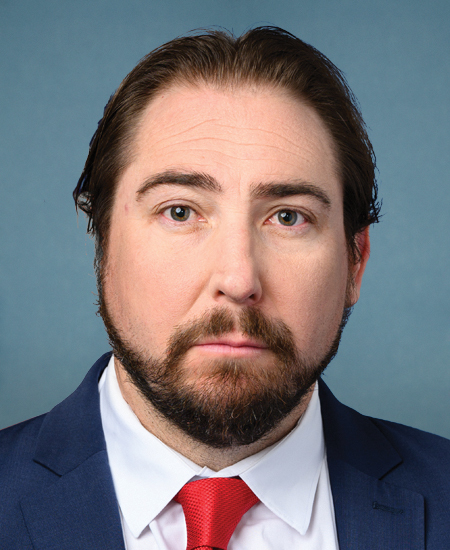
Rep. Elijah Crane
Sponsored bills
Maddy summaryThis bill sets a spending cap of $229 million for the Department of Labor's Wage and Hour Division (WHD) in fiscal year 2024. It directly affects the WHD's ability to fund its operations, including staff salaries and enforcement activities related to labor laws like minimum wage and overtime. The provision prevents the division from using more than this specified amount for its "Salaries and Expenses" budget line during 2024. This is a budgetary limitation, not a change to labor regulations or enforcement standards.
Maddy summaryHR 1933 would prevent the Department of Labor and the Pension Benefit Guaranty Corporation (PBGC) from using any funds for their salaries and operations during fiscal year 2024. The bill explicitly states that no money may be spent on these agencies' "Salaries and Expenses" accounts for that year. This is a procedural funding limitation, not a policy change, directly affecting the agencies' ability to operate. The bill would require Congress to pass separate funding legislation to allow these agencies to function in 2024.
Maddy summaryThis bill sets a spending cap of $181 million for the Employee Benefits Security Administration (EBSA) within the Department of Labor for fiscal year 2024. It directly limits the EBSA's budget authority for salaries and expenses, preventing funds from exceeding this amount. The provision applies specifically to the EBSA's operations, which oversee retirement and health benefits for workers. This is a procedural budget restriction, not a policy change affecting benefit programs or regulations.
Maddy summaryHR 1931 sets a funding cap of $108,674,000 for the Department of Labor's State Unemployment Insurance and Employment Service Operations during fiscal year 2024. This bill directly limits the available funds for state-level unemployment insurance programs and job service administration. It does not change program rules or eligibility but restricts the total federal funding that can be used for these specific operations. The provision applies to all states receiving federal funds for unemployment insurance and workforce services under the Department of Labor.
Maddy summaryHR 2075 caps funding for the Executive Office of the President's Information Technology Oversight and Reform unit at $8 million for fiscal year 2024. This bill directly affects the EOP's IT oversight operations by restricting their available budget for that specific purpose. The provision applies to all funds authorized for this unit in FY2024, preventing increases above the $8 million limit. It is a procedural funding restriction with no additional policy mechanisms or broader implications.
Maddy summaryHR 2074 limits the Executive Office of the President's (EOP) unanticipated needs funding for fiscal year 2024 to $1,000,000. This bill directly affects the EOP by restricting its budget for unexpected expenses during the 2024 fiscal year. The key provision is a hard cap of $1 million on these funds, overriding any other law that might allow higher spending. This is a procedural funding restriction, not a policy change, and applies solely to the EOP's unanticipated needs allocation.
Maddy summaryHR 2009 sets a spending limit of $1,905,201,000 for the Refugee and Entrant Assistance program under the Administration for Children and Families within the Department of Health and Human Services for fiscal year 2024. This bill directly affects federal funding for services supporting refugees and entrants arriving in the U.S., including housing, legal aid, and cultural orientation. The key provision is a hard cap on available funds, meaning no more than this specified amount can be spent on these programs during the 2024 fiscal year. It does not create new programs or alter eligibility but restricts the total funding authorized for existing refugee assistance services.
Maddy summaryHR 2047 sets a strict spending cap of $214,576,000 for the Department of Treasury's internal operations, including offices, staff salaries, and administrative expenses, for fiscal year 2024. This bill directly limits how much the Treasury Department can spend on its own internal budget. The key provision is a hard dollar limit that overrides other funding authorizations for these specific accounts. The measure applies only to Treasury's internal spending, with no broader policy changes or external impacts.
Maddy summaryHR 2073 sets a spending limit of $118,327,000 for federal drug control programs in fiscal year 2024, including the Office of National Drug Control Policy and related initiatives. This bill directly affects funding for national drug control efforts by restricting available resources to this specific cap. The key provision is a statutory limit that overrides other funding authorizations for these programs during FY2024. It does not change drug policy or create new programs, but restricts the total funding available for existing federal drug control activities.