

Maddy summaryHR 2250 sets a $927,649,000 spending cap on the USDA's National Institute of Food and Agriculture (NIFA) for its Research and Education Activities during fiscal year 2024. This bill directly affects NIFA's budget authority for funding agricultural research, education, and extension programs. The provision limits all funds authorized for these specific activities to the stated amount, preventing additional appropriations from exceeding this cap.
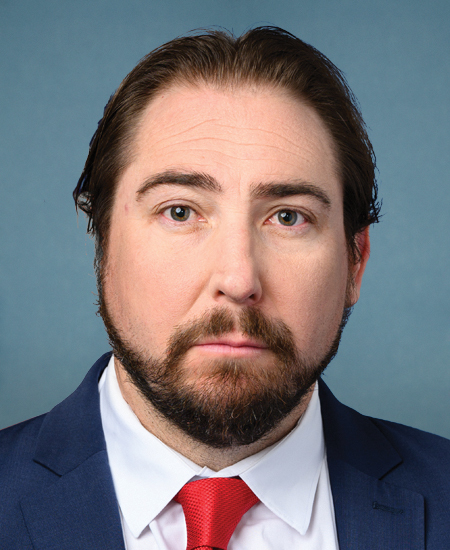
Rep. Elijah Crane
Sponsored bills
Maddy summaryHR 2192 sets a funding cap of $41,489,000 for the Environmental Protection Agency's Office of Inspector General (OIG) during fiscal year 2024. This bill directly affects the EPA OIG by limiting its available budget for oversight activities during that fiscal year. The key provision is a statutory spending limit that prevents the OIG from using funds exceeding this specific amount, regardless of other funding authorizations. This is a procedural budget restriction, not a policy change to environmental regulations.
Maddy summaryHR 2249 sets a spending cap of $127,805,000 for the USDA's Agricultural Research Service (ARS) Buildings and Facilities program in fiscal year 2024. This bill directly affects the USDA ARS by limiting the funds available for maintaining and operating its research buildings and facilities. The key provision is a strict annual funding limit that must be adhered to, preventing the use of unspent funds beyond this amount. It does not change program requirements or policies, only restricting the budget allocation for physical infrastructure.
Maddy summaryHR 2933, the Federal Insurance Office Elimination Act, removes the Federal Insurance Office (FIO) and its director position from the Department of the Treasury. The bill updates references to the FIO in the Dodd-Frank Act and the Economic Growth, Regulatory Relief, and Consumer Protection Act to instead reference the Treasury Secretary or other entities, without altering the Treasury Secretary’s existing insurance authority. This change streamlines federal insurance oversight by eliminating a dedicated office while maintaining the Treasury’s role in insurance policy matters.
Restoring Fuel Market Freedom Act of 2023 This bill repeals various alternative fuels tax credits, including the tax credits for (1) alcohol used as fuel; (2) biodiesel and renewable diesel used as fuel; (3) sustainable aviation fuel; (4) clean fuel production; and (5) alcohol fuel, biodiesel, and alternative fuel mixtures. It also repeals the inclusion in gross income of alcohol and biodiesel fuels and payments for certain fuels not used for taxable purposes.
Maddy summaryHR 1948 limits funding for the Department of Labor's Veterans Employment and Training programs to $256,341,000 for fiscal year 2024. This bill directly affects veterans' job training and employment services funded through this specific program. The key provision is a strict spending cap that prevents these programs from using more than the specified amount of federal funds during FY2024. It does not change program eligibility or services, only restricts the total available budget.
Go Woke, Go Broke Act This bill abolishes the Advisory Committee on Racial Equity in the Department of the Treasury. The bill also prohibits Treasury from reestablishing this advisory committee or establishing any substantially similar advisory committee.
This bill directs the President to withdraw the United States from the United Nations Framework Convention on Climate Change (the entity tasked with supporting the global response to climate change). The bill also prohibits the use of funds to carry out U.S. obligations under the framework following this withdrawal.
Maddy summaryHR 2712, the Work Not Woke Act, prohibits federal agencies, contractors, and grant recipients from using workplace training that promotes specific "divisive concepts," such as claiming inherent superiority of a race or sex, blaming individuals for historical actions, or suggesting meritocracy is racist. It directly affects federal contractors (requiring contract clauses banning such training), federal agencies (mandating review of diversity training), and grant recipients (requiring certification against using federal funds for prohibited training). Key mechanisms include a Department of Labor hotline for complaints, mandatory contract provisions for contractors, and a ban on using federal funds for three executive orders focused on racial equity. The law permits diversity efforts that do not promote the banned concepts and requires agencies to certify compliance with its provisions.
Maddy summaryHR 1950 sets a spending cap of $3,414,000 for the Department of Labor's National Veteran's Employment and Training Services Institute during fiscal year 2024. This bill directly affects the funding level available to this specific institute, which provides employment and training services to veterans. The key provision is a statutory limit preventing the institute from accessing more than the specified amount in FY2024. It does not alter program requirements or eligibility but restricts the total funds that can be allocated. This is a procedural funding limitation, not a substantive policy change.