

Maddy summaryHR 3039, the DRIVE Act, prohibits the Federal Motor Carrier Safety Administration (FMCSA) from requiring speed limiting devices on trucks weighing over 26,000 pounds operating in interstate commerce. This directly affects commercial trucking companies and drivers transporting goods across state lines. The bill's key provision explicitly bans the FMCSA from issuing any rule mandating such devices, which are typically set to limit vehicle speed. The law applies specifically to interstate trucking operations and does not affect state-level regulations.
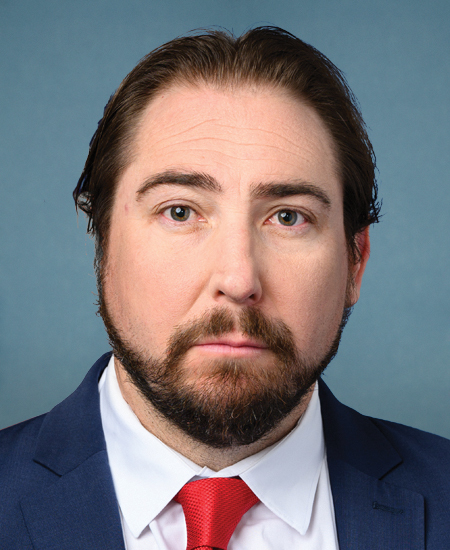
Rep. Elijah Crane
Sponsored bills
No Taxpayer Funding for United Nations Green Climate Fund Act This bill requires the Department of State to withhold the same proportion of funds from the mandatory U.S. contribution to the United Nations as the proportion of the U.N. budget made available to the U.N. Green Climate Fund. Such withheld funds must be rescinded and may not be considered arrears to be repaid to the United Nations. The bill also prohibits the State Department from making voluntary contributions to the U.N. Green Climate Fund.
Maddy summaryThe Employee Rights Act (HR 2700) amends key labor laws to strengthen employee rights in collective bargaining and privacy. It requires employers to use secret ballot elections for selecting bargaining representatives and to provide labor organizations with voter lists containing employee names and one form of contact information (chosen by the employee) within two business days of an election. The bill prohibits employers from using employee personal information for non-organizing purposes and mandates written authorization for using union dues on non-bargaining activities, with authorizations expiring after one year. Additionally, it clarifies joint employment standards to prevent misclassification and adds tribal sovereignty protections to labor law definitions.
Maddy summaryHR 2107 sets a $268 million spending cap on the Commodity Futures Trading Commission (CFTC) for fiscal year 2024. This bill directly limits the CFTC's budget authority, restricting how much funding it can use for its regulatory activities during that period. The key provision is a hard limit on available funds, preventing the agency from exceeding this amount for its operations and oversight of futures markets.
Maddy summaryHR 2203 sets a maximum funding limit of $314,198,000 for the USDA's State and Private Forestry program during fiscal year 2024. This bill directly affects how the USDA allocates resources for forest management, wildfire prevention, and conservation projects administered by state agencies and private landowners. The key provision is a hard cap on available funds, preventing the program from exceeding this specific amount. It does not alter program eligibility or requirements, only establishing a fiscal ceiling for the designated funding stream.
Maddy summaryHR 2202 sets a spending cap of $296,616,000 for the USDA's Forest and Rangeland Research program during fiscal year 2024. This bill directly affects the USDA's funding allocation for this specific research initiative, limiting the available funds to the specified amount. The key provision is a hard limit on the total funds that can be used for this program, preventing the use of any additional funds beyond the stated cap.
Maddy summaryHR 2201 would completely eliminate all funding for the U.S. Department of Agriculture's Forest Service operations during fiscal year 2024, setting the available budget to $0. This bill directly affects the Forest Service's ability to manage national forests, conduct fire prevention, maintain trails, and carry out other day-to-day operational activities. The key mechanism is a strict prohibition on any funds being made available for these operations, effectively halting all routine Forest Service work for the year. This is a procedural funding measure with no substantive policy changes beyond the complete defunding of operations.
Maddy summaryThis bill restricts funding for the USDA's Office of the Under Secretary for Natural Resources and Environment to a maximum of $875,000 for fiscal year 2024. It directly affects this specific USDA office by limiting its available budget for FY2024 activities. The bill sets a strict spending cap with no additional mechanisms or provisions beyond this funding limitation. As a procedural funding restriction, it does not create new programs or alter existing policies.
Maddy summaryThis bill limits the USDA Economic Research Service's (ERS) funding for fiscal year 2024 to a maximum of $86.757 million. It directly affects the ERS's budget authority for conducting agricultural and economic research. The provision sets a strict spending cap, preventing the ERS from using more than this specified amount for its research and analysis activities during FY2024.
Maddy summaryHR 2209 sets a $45,000 cap on funds available for USDA's Gifts, Donations, and Bequests program specifically for Forest and Rangeland Research during fiscal year 2024. It directly limits the USDA's budget allocation for this research funding stream, prohibiting any amounts above the $45,000 threshold. The bill does not alter research activities or programs but restricts the maximum funding level authorized for this specific purpose. This is a procedural funding limitation affecting only the USDA's budget for these designated research funds.