

Health Care for Burn Pit Veterans Act This bill updates policies and procedures related to Department of Veterans Affairs (VA) health care and benefits for veterans who have been exposed to toxic substances. Specifically, the bill extends the eligibility period for VA hospital care, medical services, and nursing home care for combat veterans who served after September 11, 2001, and were exposed to toxic substances, radiation, or other conditions, including those who did not enroll to receive VA care during the eligibility period. The VA must incorporate into its existing health care screening a screening to help determine potential exposures to toxic substances during military service. Among other requirements, the VA must also provide annual training to health care and benefits personnel with respect to veterans who were exposed to toxic substances; analyze total and respiratory disease mortality in veterans who served in specified locations on specified dates; conduct an epidemiological study on the health trends of veterans who served in the Armed Forces after September 11, 2001; conduct a study to determine trends in the rates of the incidence of cancer in veterans; publish a list of VA resources for veterans who were exposed to toxic substances, families and caregivers of such veterans, and survivors of such veterans who are receiving death benefits; and report on the data quality of the Individual Longitudinal Exposure Record and its usefulness in supporting veterans in receiving VA health care and benefits.
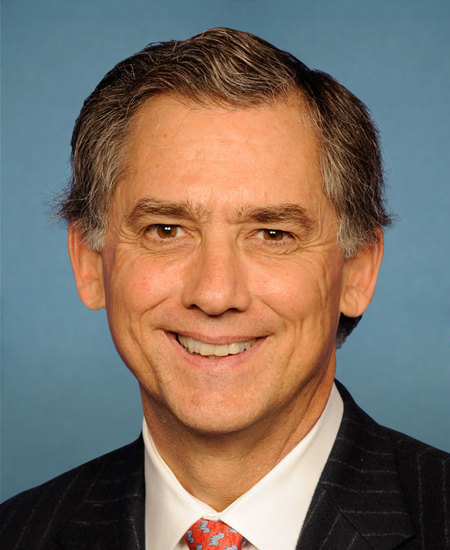
Rep. J. French Hill
Sponsored bills
Medical Student Education Authorization Act of 2022 This bill establishes matching grants awarded by the Health Resources and Services Administration (HRSA) to expand and support medical education with a particular focus on training students to serve as primary care physicians in tribal, rural, or medically underserved communities. HRSA must award the grants to public institutions of higher education located in states that rank in the top quartile of states based on projected unmet demand for primary care providers. In awarding the grants, HRSA must give priority to recipients that (1) are located in states with two or more federally recognized Indian tribes, and (2) demonstrate a public-private partnership. Recipients must use grant funds for specified activities that include developing curricula, expanding partnerships with health care providers and community-based organizations, and providing scholarships.
Cures 2.0 Act This bill addresses pandemic preparedness and public health issues, caregiver and patient engagement, drug development, insurance coverage, and biomedical research. The Department of Health and Human Services (HHS) must undertake research and other activities concerning COVID-19 and develop a strategy for future pandemics and declared emergencies. Additionally, the bill specifies actions to combat antimicrobial resistance. HHS may award grants for caregiver training. The bill also addresses diversity in clinical trials, collecting patient experience data during clinical trials, and coverage for care related to participation in specified clinical trials. The bill modifies the timeframe and requires additional guidance relating to expedited approval of certain breakthrough drugs, devices, or products. It also establishes two intercenter institutes within the Food and Drug Administration (FDA) focused on particular diseases that meet specified criteria. The bill also addresses (1) coverage in Medicare, Medicaid, and the Children's Health Insurance Program for telehealth, genetic and genomic testing, and other services; (2) electronic prescribing standards for Medicare drug benefits; and (3) access to Medicare and Medicaid claims data by certain registries. Furthermore, the bill prohibits the use of geographic tracking or biometrics in Medicaid electronic visit verification systems. The bill establishes the Advanced Research Projects Agency for Health (ARPA-H) within the National Institutes of Health to accelerate biomedical research and innovation through grants, contracts, cash prizes, and other means. The FDA may work with ARPA-H to expedite the development of medical products through specified activities.
Accelerating Access to Critical Therapies for ALS Act This bill establishes grant programs to address neurodegenerative diseases, such as amyotrophic lateral sclerosis (also known as ALS or Lou Gehrig's disease), and contains other related provisions. The Department of Health and Human Services (HHS) shall award grants to eligible entities for scientific research utilizing data from expanded access to investigational ALS treatments for individuals who are not otherwise eligible for clinical trials. The Food and Drug Administration (FDA) shall award grants to public and private entities to cover the costs of research and development of drugs that diagnose or treat ALS and other rare neurodegenerative diseases. HHS shall also establish the Public-Private Partnership for Neurodegenerative Diseases between the National Institutes of Health, the FDA, and at least one eligible entity (generally, an institution of higher education or a nonprofit organization). The partnership shall support the development and regulatory review of drugs that address ALS and other rare neurodegenerative diseases. The FDA shall publish on its website a five-year action plan for fostering the development of drugs that improve or extend the lives of people living with rare neurodegenerative diseases. The Government Accountability Office must report to Congress about the grants provided under this bill, including an analysis of the impact of such grants on research and development of treatments for ALS.
This bill posthumously provides for the award of a Congressional Gold Medal in commemoration of the 13 service members who died on August 26, 2021, while stationed at Hamid Karzai International Airport in Afghanistan.
Homeless Children and Youth Act of 2021 This bill modifies definitions relating to homeless individuals and homeless children or youth as used by the Department of Housing and Urban Development (HUD) to verify eligibility for HUD homeless assistance programs, including the Continuum of Care program. Specifically, the bill aligns these terms with the definitions of homeless used to verify eligibility for other federal assistance programs. The definitions are also amended to increase access to federal homeless programs by homeless children, youth, and families. Additionally, the community-wide homeless management information system shall be made available to the public on HUD's website.
FDIC Board Accountability Act This bill revises provisions related to the board of directors of the Federal Deposit Insurance Corporation. Specifically, the bill removes the director of the Consumer Financial Protection Bureau from the board as a voting member and requires the appointment of an individual with demonstrated primary experience working in or supervising small depository institutions. Further, the bill limits the term length of a board member to twelve years.
Grave Injustice Parity Act This bill allows a deduction for transfers to certain nonprofit cemeteries for purposes of determining the taxable amount of decedent estates or gifts. It also exempts from the tax on distributions of tax-exempt foundations transfers made to such cemeteries.
This resolution states that the Chinese government is responsible for ongoing abuses against the Uyghurs and other ethnic and religious minority groups and that these abuses constitute genocide and crimes against humanity. The resolution also condemns such genocide and crimes against humanity and calls on the President to take certain actions to put an end to these atrocities.
Crucial Communism Teaching Act This bill directs the Victims of Communism Memorial Foundation to develop a civic education curriculum and oral history resources for high school students to promote understanding of certain political ideologies (e.g., communism and totalitarianism) that conflict with principles of U.S. democracy.