

Maddy summaryHR 1818, the Aviation Workforce Development Act, expands tax-advantaged savings plans (529 plans) to cover costs for specific aviation training programs. It allows funds from these plans to pay for tuition, fees, and required materials at FAA-certified aviation maintenance technician schools (Part 147) or commercial pilot training programs (Part 61 or 141). This directly affects students pursuing careers as aircraft maintenance technicians or commercial pilots by making these training costs more affordable through existing tax-advantaged savings. The bill amends the tax code to include these programs under "qualified higher education expenses" for 529 plan distributions.
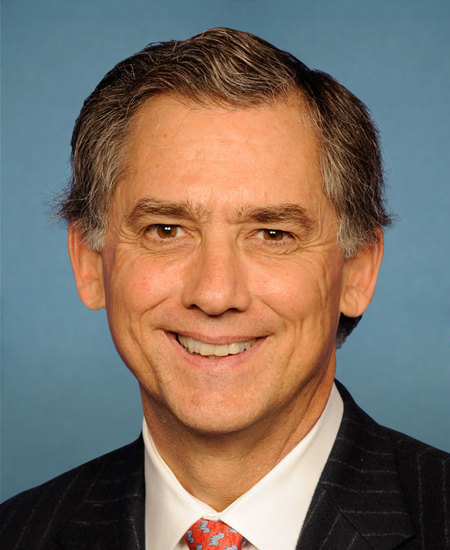
Rep. J. French Hill
Sponsored bills
Maddy summaryHR 1831 would award Billie Jean King a Congressional Gold Medal to honor her lifelong advocacy for equal rights in sports and society. The bill directs the Secretary of the Treasury to strike the medal and have it presented by congressional leaders, recognizing her pivotal role in advancing women's equality through tennis (including founding the Women’s Tennis Association and securing equal prize money) and her broader impact on society through initiatives like Title IX advocacy.
Maddy summaryHR 1154, the Stop Forced Organ Harvesting Act of 2023, targets international trafficking in organs through coercion or abuse of power. It requires annual U.S. reports assessing forced organ harvesting and trafficking in foreign countries, mandates passport denial for convicted traffickers, and authorizes sanctions including asset freezes and visa bans against foreign individuals or entities involved in these activities. The bill specifically defines "forced organ harvesting" as organ removal via coercion, abduction, deception, fraud, or abuse of power, and "trafficking in persons for organ removal" as recruiting or transporting people for that purpose. These sanctions apply to foreign actors (including non-state groups) and cover both financial transactions and entry into the U.S., with limited exceptions for humanitarian aid. The law directly affects foreign governments, entities, and individuals implicated in organ trafficking, while requiring U.S. diplomatic and enforcement mechanisms to address the issue.
Maddy summaryThis bill directs the U.S. State Department to oppose classifying China as a "developing country" in all international treaties and organizations, and to actively work toward reclassifying China as "upper middle income," "high income," or "developed" where possible. It requires a report within 180 days identifying treaties where China might receive special treatment based on its current status. The State Department must pursue this reclassification in relevant international bodies (like the WTO) and ensure China no longer receives preferential treatment tied to its developing-country status. The bill affects how China engages with global trade and climate agreements, directly changing its international economic classification.
Maddy summaryHR 314, the FORCE Act, prohibits the President or Secretary of State from removing Cuba from the U.S. list of state sponsors of terrorism. It requires the President to first make a specific determination under the 1996 LIBERTAD Act before Cuba can be removed. The bill directly affects Cuba (by maintaining its current designation) and the executive branch (by restricting their authority to remove the designation). This is a procedural bill focused on preserving Cuba's current status on the terrorism list until the specified conditions are met.
Maddy summaryHR 1806, the Small LENDER Act, reduces reporting burdens for small lenders by creating a phased transition period for new data collection rules under the Equal Credit Opportunity Act. It requires regulators to give qualifying small lenders a 3-year period to comply with new rules and a subsequent 2-year "safe harbor" period during which they aren’t penalized for non-compliance. A "small business lender" is defined as one originating at least 500 small business loans (defined as loans to entities with $1 million or less in annual revenue) in each of the two prior calendar years. This directly affects small lenders meeting these volume thresholds, easing their administrative burden without changing existing lending standards.
Preventing Racial Profiling in Lending Act This bill prohibits a federal agency from requiring any person or entity to estimate a borrower's race or ethnicity through visual observation or surname when extending credit.
Maddy summaryThe Bank Loan Privacy Act (HR 1810) requires the Consumer Financial Protection Bureau (CFPB) to issue a rule with public notice and comment before deleting or modifying data related to credit applications. The rule must describe the intended data changes and explain how they protect consumer privacy. This law directly affects the CFPB's procedures for handling credit data, adding a transparency step before any data modifications. It does not change credit reporting content but mandates public input for privacy-focused data adjustments.
Maddy summaryH.J. Res. 30 seeks to block a Department of Labor rule that would have required retirement plan managers (like those handling 401(k)s) to follow strict "prudence and loyalty" standards when selecting investments and voting on company matters. The rule, published in December 2022, aimed to protect retirement savings by ensuring fiduciaries prioritize participants' interests. This resolution, if passed, would prevent the rule from taking effect, avoiding new compliance requirements for retirement plan managers and sponsors. It directly affects retirement plan administrators and the millions of participants in these plans.
Maddy summaryHR 1159 amends the Taiwan Assurance Act of 2020 to require the U.S. Department of State to conduct biennial reviews of its Taiwan Guidelines and submit updated reports. The bill directly affects the State Department's diplomatic guidance on U.S.-Taiwan relations, mandating reports every two years after the initial submission. Each report must detail how current guidelines meet the Act's stated goals and identify specific opportunities to lift self-imposed restrictions on U.S. relations with Taiwan. This change establishes a regular process for evaluating and updating the State Department's approach to Taiwan engagement.