

Maddy summaryThe Prevent Interruptions in Physical Therapy Act of 2023 amends Medicare rules to allow physical therapists to use temporary replacement providers (locum tenens) for outpatient physical therapy services, aligning with existing provisions for physicians. This directly affects Medicare beneficiaries receiving physical therapy and physical therapy practices needing temporary staffing solutions during provider shortages. The bill updates the Social Security Act to extend the current physician locum tenens rule to physical therapists, ensuring continuity of care without requiring separate approval for temporary coverage. It applies to services furnished after the bill's enactment date.
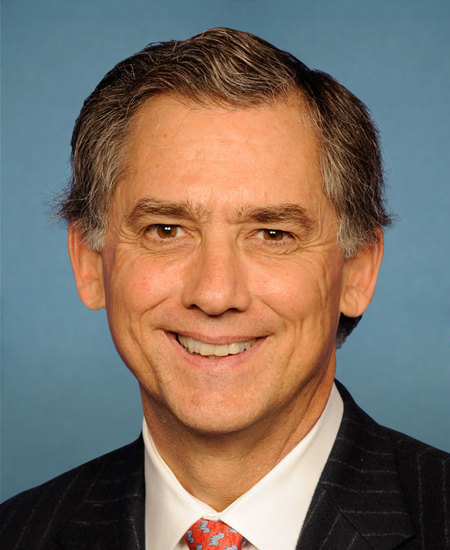
Rep. J. French Hill
Sponsored bills
Maddy summaryHR 1610 would modernize Medicare coverage for chiropractic care by removing the current restriction that limited beneficiaries to one chiropractic service per visit. It expands coverage to include all services provided by licensed chiropractors within their state-authorized scope, aligning Medicare with VA, military, and private insurance practices. The bill requires chiropractors to complete a Secretary-approved educational webinar to cover non-spinal services, while still allowing payment for spinal manipulation treatments without this requirement. This directly affects Medicare beneficiaries seeking chiropractic care and chiropractors seeking Medicare reimbursement for their services.
Maddy summaryThis bill bans federal funding for abortions in most cases, prohibiting the use of taxpayer money for abortion services or health insurance plans covering abortion. Exceptions allow funding for abortions resulting from rape, incest, or when a pregnancy endangers a woman's life. It requires health insurance plans sold through the Affordable Care Act (ACA) marketplaces to clearly disclose any separate costs for abortion coverage and prohibits ACA subsidies from being used for plans that cover abortion (except in the specified exceptions). The law directly affects federal programs like Medicaid, ACA marketplace plans, and insurers offering health coverage to individuals using federal subsidies.
Maddy summaryHJRES 142 is a congressional disapproval resolution targeting a Department of Labor rule issued on April 25, 2024. It seeks to block the "Retirement Security Rule: Definition of an Investment Advice Fiduciary" (89 Fed. Reg. 32122), which defined standards for financial advisors handling retirement accounts. If passed, this resolution would make the Labor Department's rule ineffective, directly affecting retirement plan advisors and financial institutions subject to the regulation. The bill uses a specific procedural mechanism under Title 5, U.S. Code, to nullify the rule without creating new law.
Maddy summaryThe MERIT Act of 2024 modifies federal personnel procedures by repealing Chapter 43 performance-based actions, shortening timelines for adverse actions (requiring decisions within 15 business days), and extending probationary periods to 2 years for Senior Executive Service and competitive service employees. It establishes new rules for recouping bonuses from employees who commit misconduct, modifies furlough procedures with specific requirements for emergency furloughs, and creates a process to reduce retirement benefits for employees convicted of felonies related to their official duties. These changes primarily affect federal employees, supervisors, and senior executives in the civil service, with the goal of streamlining personnel management while providing clearer standards for disciplinary actions.
Maddy summaryThis bill adds approximately 2,215 acres of land in the Ouachita National Forest to the existing Flatside Wilderness area, as shown on a 2022 map. It amends the 1984 Arkansas Wilderness Act to formally include this land and redesignates the expanded area as the "Flatside-Bethune Wilderness." The bill specifies that existing authorities for managing forest fires, insects, and diseases under the Wilderness Act remain unchanged. This directly affects the Ouachita National Forest land designated by the bill and updates all official references to the expanded wilderness area.
Maddy summaryHR 7480, the Disabled Veterans Housing Support Act, changes how housing programs calculate income eligibility for veterans. It requires states and local governments to exclude service-connected disability compensation from the Department of Veterans Affairs (VA) when determining if a veteran qualifies as "low or moderate income" for HUD housing programs (like Section 8 or public housing). This directly helps disabled veterans whose VA disability pay would otherwise disqualify them from housing assistance they need. The bill also mandates a report within one year examining how VA disability pay is treated across HUD programs and recommending improvements to better serve veterans. The change simplifies access to housing support by ensuring VA benefits aren't counted as income for these programs.
Maddy summaryHR 5557, the *Combatting Foreign Surveillance Spyware Sanctions Act*, authorizes sanctions against foreign entities and individuals involved in selling or using commercial spyware to target U.S. government officials or intelligence personnel. It allows the President to block assets, deny visas, and revoke existing visas for foreign companies selling such spyware, senior executives of those companies, or foreign government officials using spyware against U.S. personnel. The bill specifically targets spyware used to intimidate opponents, curb dissent, or suppress civil liberties, while excluding authorized U.S. intelligence activities and humanitarian aid from sanctions. These sanctions expire after seven years, and the law does not apply to U.S. government operations or international obligations like the UN headquarters agreement.
Maddy summaryHJRES 120 is a joint resolution that would disapprove a rule issued by the Financial Stability Oversight Council (FSOC) regarding how the council identifies nonbank financial companies that could pose risks to the broader financial system. The rule, published in November 2023, provided guidance for designating such companies, which could affect their regulatory oversight. This resolution uses a congressional disapproval process under federal law to declare the rule ineffective, meaning it would have no legal force. If passed, it would prevent the FSOC from implementing this specific guidance in its regulatory work.
Maddy summaryHR 7428, the Earned Wage Access Consumer Protection Act, regulates services that let workers access early payments of earned but unpaid wages (e.g., via apps or employer partnerships). It directly affects workers using these services ("consumers") and the companies providing them ("providers"), prohibiting practices like forcing repayment through lawsuits, hiding fees, or charging late fees. Key provisions require clear upfront fee disclosures, ensure tips/gratuities are truly voluntary (with no link to service eligibility), and ban providers from using debt collectors to recover unpaid advances. The bill also clarifies that these advances aren’t considered "consumer credit" under federal law, preventing providers from being treated as lenders.