

Maddy summaryThis bill creates a new occupational category (code 31-1123) within the federal Standard Occupational Classification system specifically for direct support professionals (DSPs) who assist people with intellectual or developmental disabilities. It directly affects DSPs, state agencies, and federal data collectors by reclassifying their work - currently grouped under home health aides - into a distinct category. The key mechanism is revising the SOC system to better track DSP workforce data, address high turnover rates (43% nationally), and recognize their unique role in promoting clients' independence and community inclusion. This change aims to improve data accuracy for addressing staffing challenges, without altering service delivery or benefits.
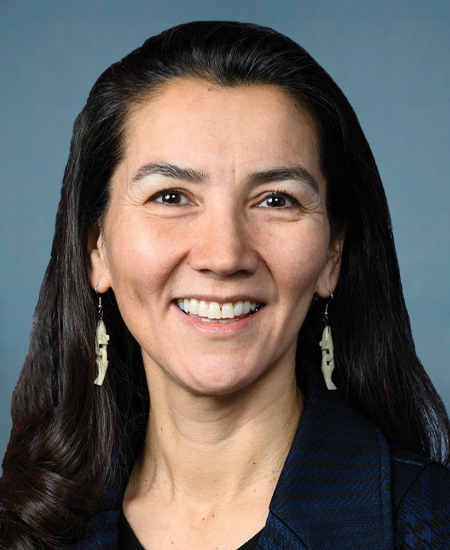
Rep. Mary Sattler Peltola
Sponsored bills
Maddy summaryThe Homes Act of 2024 would establish a new Housing Development Authority within the Department of Housing and Urban Development to develop permanently affordable housing. The Authority would acquire properties and convey them to eligible entities (including community land trusts, tenant organizations, and public housing agencies) under strict requirements for permanent affordability, climate resilience, and community control. The bill would set rents at 25% of household income, limit annual rent increases to 3% or the Consumer Price Index, and require "just-cause" evictions with tenant protections. It would also create a tenant right to purchase their rental properties through a "first look" process and prioritize housing for underserved communities and families experiencing homelessness.
Maddy summaryThe Kids Online Safety Act (HR 7891) would require major online platforms (with high revenue or user numbers) to implement safety features for children and teens, including default protective settings, parental controls, and age verification. It would mandate platforms to report annually on risks to minors and their safety measures, and prohibit advertising harmful products (like tobacco, alcohol, or gambling) to minors. The bill directly affects social media platforms, online video games, and video streaming services that are used by minors, with the goal of preventing mental health harms, compulsive usage, and cyberbullying.
Maddy summaryThe TELEMH Act of 2024 would require Medicare to establish a specific code or modifier for claims related to mental health services provided via telehealth by support staff (such as nurse practitioners or physician assistants) when billed under a physician's supervision. This change would directly affect healthcare providers who deliver telehealth mental health services through auxiliary personnel and submit claims to Medicare. The Secretary of Health and Human Services must create this requirement within two years of the bill becoming law. The bill aims to standardize billing for these services, improving clarity in Medicare claims processing for telehealth mental health care.
Maddy summaryThe ROUTERS Act (HR 7589) requires the Commerce Secretary to study national security risks posed by consumer routers and modems made by companies tied to certain foreign countries. It directs a one-year study focusing on devices designed, manufactured, or supplied by entities influenced by "covered countries" (as defined in U.S. law). The study will culminate in a report to Congress within one year, detailing findings on these security risks. This is a procedural bill that initiates research but does not impose new regulations or restrictions on devices.
Maddy summaryHR 9226, the Domestic Seafood Production Act, funds new or repaired seafood processing facilities and training in coastal communities historically dependent on fishing or facing economic hardship. It targets communities with high poverty rates (≥20%) or low median income (≤80% of state/metro average), requiring the Agriculture Secretary to create an action plan identifying eligible areas for grants. The bill allocates $45 million over two years for projects like cold storage infrastructure, local workforce training, and community-based seafood markets, while banning new offshore aquaculture projects. It mandates tribal consultation and requires projects to prioritize domestic seafood sales, local hiring, and minimizing community disruption.
Maddy summaryHR 7850, the *Eliminating Access Barriers to Conservation Act*, modifies payment rules in a federal conservation program to better serve farmers and landowners in high-cost areas. It amends the Food Security Act to allow the Secretary to waive payment limits for contracts in Alaska, Hawaii, American Samoa, Guam, the Northern Mariana Islands, Puerto Rico, and the U.S. Virgin Islands. This waiver authority directly affects agricultural producers in these territories and high-cost regions who previously faced payment restrictions under the program. The key provision removes a barrier by enabling tailored financial support for conservation efforts in geographically or economically challenging locations.
Maddy summaryThis bill would require the federal government to cover 100% of state agencies' costs for SNAP program staff salaries, hiring, and training. It sets minimum wage standards for SNAP workers at the same rate as federal employees, with annual updates tied to federal pay increases. States must submit detailed wage plans for federal approval. The policy aims to improve staffing stability and retention for SNAP operations.
This resolution supports the designation of National FFA Week. It also (1) recognizes the important role of the National FFA Organization (Future Farmers of America) in developing the next generation of globally conscious leaders who will change the world; and (2) celebrates the 10th anniversary of the Give the Gift of Blue program, which has donated more than 17,000 FFA blue jackets to FFA members in need.
Maddy summaryThe Summer Meals Act of 2024 amends the National School Lunch Act to improve access to summer meals for children, primarily affecting public schools, community organizations, and low-income families. Key changes include reducing the required integration of summer education and meals from 50% to 40%, expanding meal service to include after-school hours, weekends, and school holidays for non-school sites, and creating a $10 million annual grant program to support mobile meal trucks and transportation in underserved areas. The bill authorizes grants for service institutions that serve both breakfast and lunch or offer educational programs, with priority given to those increasing participation at congregate feeding sites. These provisions aim to simplify program administration and reach more children during summer breaks in hard-to-access communities.