Issue · Veterans

Veterans (Veteran Healthcare)

Every veterans bill, vote, and legislator stance in United States, automatically classified by Maddy, our AI policy reader.

Total bills
12
119th Congress
Top supporter
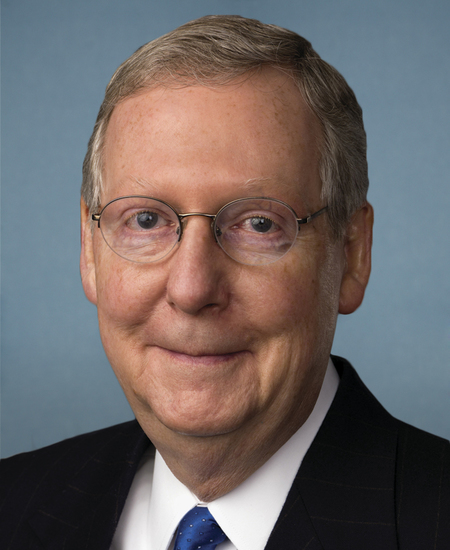
Mitch McConnell
91% support rate
Top opponent
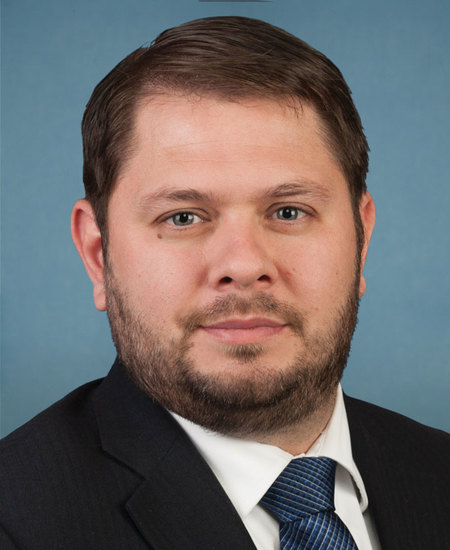
Ruben Gallego
8% support rate
Ranked legislators
10
5 support · 5 oppose
Key legislators

Who's moving veteran healthcare in United States

Legislators moving veteran healthcare in United States
Legislator Party Stance Support rate Decisive votes
Mitch McConnell
Mitch McConnell Senate
R
Strong +
91% 22
Bill Cassidy
Bill Cassidy Senate
R
Strong +
90% 21
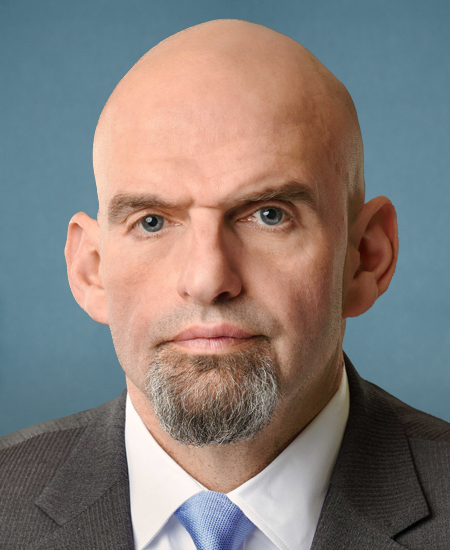
John Fetterman
John Fetterman Senate
D
Strong +
87% 30
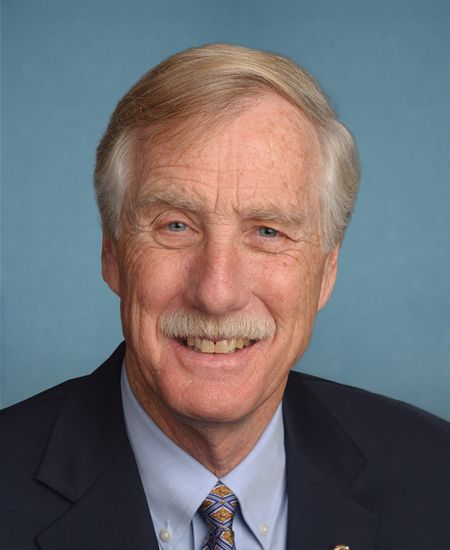
Angus S. King, Jr.
Angus S. King, Jr. Senate
I
Strong +
84% 32
Catherine Cortez Masto
Catherine Cortez Masto Senate
D
Strong +
84% 32
Ruben Gallego
Ruben Gallego Senate
D
Strong −
8% 24
Peter Welch
Peter Welch Senate
D
Strong −
9% 23
Rand Paul
Rand Paul Senate
R
Strong −
12% 32
Tammy Duckworth
Tammy Duckworth Senate
D
Strong −
17% 23
Christopher Murphy
Christopher Murphy Senate
D
Strong −
19% 32
Showing 1–10 of 12 bills

All veterans bills

in committee · United States · Senate Aug 5, 2026

S 5266: Veterans’ Earned Benefits Access Act of 2026

The Veterans’ Earned Benefits Access Act of 2026 allows the Secretary of Veterans Affairs to recover separation, severance, and readjustment pay from service members who are receiving veterans' disability compensation. To manage this recovery, the bill authorizes deductions from monthly disability payments, with regulations ensuring that no more than 25 percent of a member's compensation is withheld in any given month. The legislation also establishes a process for service members to apply for a waiver if these deductions would cause them financial hardship. These provisions will take effect once final regulations are published and will apply to disability compensation paid on or after that date.
in committee · United States · House May 20, 2026

HR 6904: Veterans Readiness and Employment Improvement and Accountability Act

This bill modifies the Department of Veterans Affairs' Veterans Readiness and Employment (VR&E) program, which provides job training and education benefits to eligible veterans. It allows the VA to bar certain benefits for veterans convicted of assaulting VA employees and extends VR&E eligibility for some veterans who haven't found employment after training. The bill also sets a $250,000 cap on federal funds for a rehabilitation program, with future adjustments, and requires VA Secretary approval for equipment purchases exceeding $5,000. Additionally, it prevents veterans from concurrently receiving disability compensation based on individual unemployability while participating in a VR&E program and allows subsistence allowances to be based on a veteran's residence in certain cases.
in committee · United States · House May 20, 2026

HR 6549: VA Contracting and Procurement Act

This bill establishes a $50 million limit on the Department of Veterans Affairs' ability to spend on certain contracts and agreements without specific congressional authorization. It applies to various VA programs including community care, health care administration, educational benefits, and prosthetic equipment procurement. The limit has exceptions for emergencies such as declared wars, national emergencies, major disasters, or public health crises. For agreements exceeding the limit, the VA must notify Congress and provide 30 days for potential disapproval. This legislation aims to increase congressional oversight of VA spending by requiring specific authorization for large contracts.
Sub-Topics Veteran Healthcare
in committee · United States · Senate Jul 28, 2025

S 2482: TRICARE Travel Improvement Act

This bill changes travel reimbursement rules for military healthcare. It reduces the distance threshold for most beneficiaries from 100 miles to 50 miles when traveling for specialty care, making reimbursement more accessible for service members and their families living farther from care facilities. However, it maintains a 100-mile threshold specifically for military retirees and their dependents under new provisions. These adjustments directly affect individuals using TRICARE for specialty care travel expenses.
passed · United States · House Sep 16, 2025

HR 3579: Veterans Readiness and Employment Program Integrity Act

HR 3579 requires veterans to submit an application before the VA can begin an initial evaluation for vocational rehabilitation services. It limits employment assistance under the program to a maximum of 365 days per veteran. The bill also mandates the VA to annually report veterans' regional office assignments, pre- and post-program wages, and average wait times for counselor meetings to Congress and the public. Additionally, it requires an independent review of VA rehabilitation programs within one year of enactment to recommend improvements.
signed · United States · House Jan 20, 2026

HR 4446: FAST VETS Act

The FAST VETS Act (HR 4446) modifies how the Department of Veterans Affairs (VA) updates vocational rehabilitation plans for veterans. It requires the VA to rework a veteran’s individualized plan only if two conditions are met: (1) the veteran’s job-related challenges have changed, making the original goals unachievable, and (2) a new plan would better achieve their long-term employment goals. Veterans currently enrolled in VA vocational rehabilitation programs are directly affected, as this change limits automatic plan revisions to cases where specific, documented shifts in their circumstances occur. The law does not alter eligibility or funding but refines the process for adapting plans to evolving veteran needs.
in committee · United States · House Jul 2, 2025

HR 4271: VR&E Accountability Act

This bill sets a 96-month maximum for veterans' vocational rehabilitation programs (VR&E) under the Department of Veterans Affairs. It prohibits extending programs beyond 96 months without first determining "extraordinary circumstances" apply to a specific veteran and submitting written notice to Congress's Veterans' Affairs committees. The law directly affects veterans whose rehabilitation needs might otherwise lead to indefinite program extensions. Key mechanisms include the 96-month cap, the "extraordinary circumstances" requirement, and mandatory congressional notification for any extension beyond that limit.
in committee · United States · House Sep 8, 2026

HR 5634: Veterans Flight Training Responsibility Act of 2026

This bill limits the amount of Post-9/11 GI Bill benefits available for flight training at public colleges and universities. It sets a $100,000 maximum total benefit for such training (adjusted annually for inflation), affecting veterans pursuing flight programs at public institutions. The inflation adjustment uses the Consumer Price Index, increasing the cap each year based on prior cost-of-living changes. The limit applies only to veterans starting flight training on or after August 1, 2026. This is a direct change to benefit eligibility under the VA's education program.
in committee · United States · House Mar 10, 2025

HR 1814: Restoring the VA Home Loan Program in Perpetuity Act of 2025

HR 1814, the *Restoring the VA Home Loan Program in Perpetuity Act of 2025*, limits the Department of Veterans Affairs (VA) to purchasing no more than 250 home loans annually under its Servicer Purchaser Program. This directly affects veterans seeking VA-backed mortgages, as it caps the program’s scale by restricting the VA’s ability to acquire loans. The bill’s key provision establishes this annual 250-loan limit for VA purchases, while also requiring a study on selling loans acquired after May 31, 2024. It does not change eligibility for veterans but alters how the VA manages loan acquisitions.
passed · United States · House Sep 16, 2025

HR 2034: Edith Nourse Rogers STEM Scholarship Opportunity Act

This bill modifies the Edith Nourse Rogers STEM Scholarship program for veterans. It reduces the maximum months of scholarship use from 60 to 45 and lowers the required benefit usage threshold from 90% to 67.5% for certain veterans. The changes prioritize veterans who have used the most months of their regular education benefits and those pursuing STEM degrees. Veterans must now exhaust all their regular education benefits under Chapter 33 before accessing this scholarship, as specified in new subsection (d)(5). The bill directly affects veterans using education benefits to pursue STEM fields.
Showing 1 to 10 of 12 bills
1 2 Next