Issue · Veterans

Veterans

Every veterans bill, vote, and legislator stance in United States, automatically classified by Maddy, our AI policy reader.

Total bills
1,154
119th Congress
Top supporter
John Fetterman
88% support rate
Top opponent
Rand Paul
12% support rate
Ranked legislators
10
5 support · 5 oppose
Key legislators

Who's moving veterans in United States

Legislators moving veterans in United States
Legislator Party Stance Support rate Decisive votes
John Fetterman
John Fetterman Senate
D
Strong +
88% 40
Angus S. King, Jr.
Angus S. King, Jr. Senate
I
Strong +
83% 42
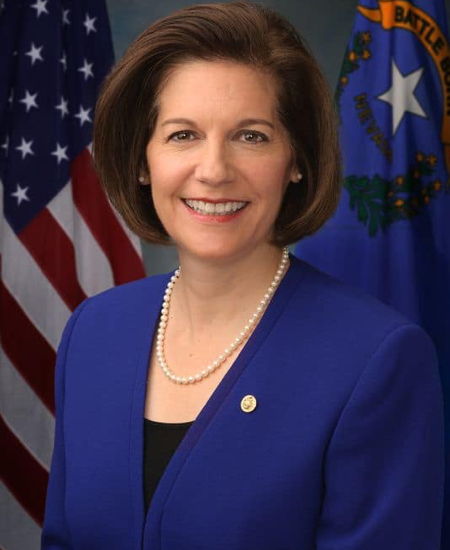
Catherine Cortez Masto
Catherine Cortez Masto Senate
D
Strong +
83% 42
Clay Fuller
Clay Fuller House · District 14
R
Strong +
80% 10
Jefferson Van Drew
Jefferson Van Drew House · District 2
R
Support
76% 17
Rand Paul
Rand Paul Senate
R
Strong −
12% 42
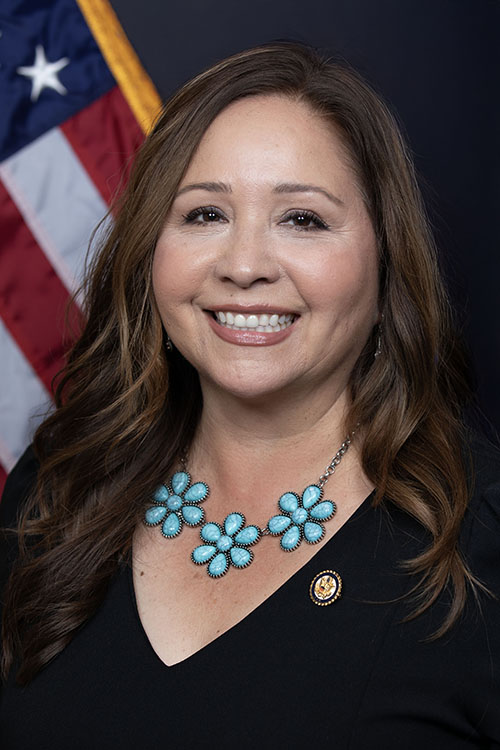
Adelita S. Grijalva
Adelita S. Grijalva House · District 7
D
Strong −
18% 11
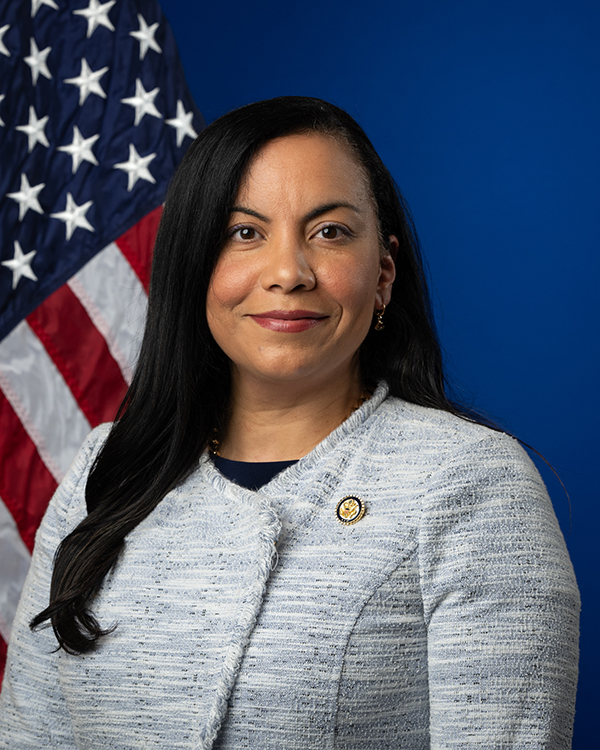
Analilia Mejia
Analilia Mejia House · District 11
D
Strong −
20% 10
Christian D. Menefee
Christian D. Menefee House · District 18
D
Strong −
20% 10
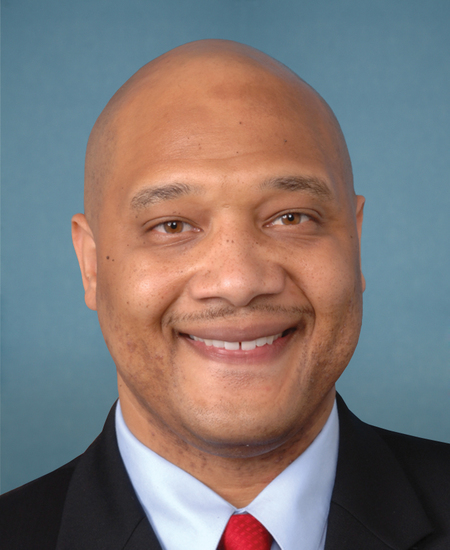
André Carson
André Carson House · District 7
D
Oppose
25% 16
Showing 901–910 of 1,154 bills

All veterans bills

in committee · United States · Senate Dec 3, 2025

S 3329: United States Cadet Nurse Corps Service Recognition Act of 2025

This bill recognizes service in the U.S. Cadet Nurse Corps during World War II (July 1943-December 1948) by treating it as active duty for certain veterans' benefits under Title 38. It requires the Secretary of Defense to issue honorable discharges within one year of enactment to eligible individuals and allows commemorative medals or markers. However, it explicitly excludes benefits related to Arlington National Cemetery interment and clarifies that recipients do not gain additional VA benefits beyond those specified. The bill directly affects former Cadet Nurses who served during that period and were honorably discharged.
in committee · United States · Senate Dec 16, 2025

S 3515: A bill to direct the Secretary of Defense and the Secretary of Veterans Affairs to jointly select a joint uniform credentialing and privileging system for medical providers, and for other purposes.

S 3515 requires the Secretaries of Defense and Veterans Affairs to create a single, unified system for medical provider credentialing (like verifying licenses and qualifications) used across both the Department of Defense and Veterans Affairs. This bill directly affects military and VA medical staff, as it aims to replace their separate current systems with one shared platform that can exchange provider information. Key provisions mandate a joint report on existing systems by 120 days after enactment, selection of a unified system by January 1, 2027, and certification of its operational implementation by January 1, 2028. The goal is to eliminate duplicate processes and improve data sharing for medical providers serving military personnel and veterans.
in committee · United States · House Mar 6, 2025

HR 961: Veterans Access to Direct Primary Care Act

HR 961, the Veterans Access to Direct Primary Care Act, establishes a 5-year pilot program allowing eligible veterans enrolled in VA care to use health savings accounts for primary care services from non-VA providers. Eligible veterans would receive annual deposits into a savings account to cover direct primary care fees, preventive screenings, and medications, but could not use VA care for services included in the arrangement during the program. The program, managed by the VA’s Center for Innovation, requires fraud prevention measures and annual reports to Congress. It affects VA-enrolled veterans who opt into the pilot, with funding drawn from existing VA budgets and no new appropriations. The pilot terminates after five years, with no permanent change to VA care access.
in committee · United States · House Mar 2, 2026

HR 7511: Iowa National Guard Heroes Commemoration Act

This bill renames two existing Department of Veterans Affairs clinics in Iowa to honor fallen Iowa National Guard members. The Des Moines VA clinic (1211 East Army Post Road) will be named the "Staff Sergeant Edgar Torres-Tovar VA Clinic," and the Marshalltown VA clinic (201 East Merle Hibbs Boulevard) will be named the "Staff Sergeant William Nathaniel Howard VA Clinic." The bill changes official references in all federal documents to these new names after enactment. It does not create new policies or services, only formally commemorates these service members' legacies through facility naming.
in committee · United States · House Apr 16, 2026

HR 6001: Veterans with ALS Reporting Act

HR 6001, the Veterans with ALS Reporting Act, requires the Department of Veterans Affairs (VA) to report to Congress on ALS incidence and care for veterans. Within one year of enactment, the VA must submit a report assessing ALS rates among veterans, describing current support services, identifying gaps in care, and proposing strategies for risk reduction and clinical trial access. The VA must also track ALS prevalence using the CDC’s registry and submit updated reports every three years. This bill focuses on gathering data to inform future policy, directly affecting veterans with ALS and VA/CDC operations.
in committee · United States · House Nov 7, 2025

HR 3812: STRIVE Act of 2025

This bill prohibits the Department of Veterans Affairs (VA) from requiring veterans to pay copayments for hospital care or medical services under specific circumstances. It bans copayments for all veterans receiving care, prevents retroactive billing for care received within two years if the VA failed to process claims on time, and caps copayments at $2,000 for errors caused by VA staff or systems. Veterans affected by VA processing errors or billing mistakes would no longer face these charges. The bill also grants the VA authority to waive copayments without requiring veterans to submit a formal request.
in committee · United States · House Oct 10, 2025

HR 3455: Veterans Affairs Distributed Ledger Innovation Act of 2025

HR 3455 requires the Department of Veterans Affairs (VA) to study whether distributed ledger technology (like secure, shared digital records) could improve veterans' benefits processing. The study must examine how this technology might prevent fraud, make claims processing more transparent, and improve record-keeping for veterans. The VA must consult with experts, veterans groups, and other agencies, then submit a report within one year detailing findings, potential benefits, risks, and recommendations for pilot programs. This bill does not implement the technology itself but directs the VA to assess its feasibility for veterans' benefits administration.
in committee · United States · House Mar 27, 2025

HR 1741: Veteran Appeals Transparency Act of 2025

HR 1741, the Veteran Appeals Transparency Act of 2025, requires the Board of Veterans' Appeals to publish weekly online notices showing which cases are assigned to individual Board members for decision that week. This applies to most cases but excludes those advanced under special procedures or remanded by the Court of Appeals for Veterans Claims. The notices clarify that assignment does not mean a decision will be issued that week. The bill directly affects veterans navigating appeals by making case assignment timelines publicly visible, aiming to improve transparency in the appeals process.
passed · United States · House Feb 3, 2026

HR 980: Veterans Readiness and Employment Improvement Act of 2025

This bill eliminates a requirement that on-campus educational and vocational counseling for veterans must be provided by specific Department of Veterans Affairs (VA) employees. It directly affects veterans using VA education benefits at colleges or universities, as it changes who can deliver this counseling support. The key provision amends Section 3697B(a) of Title 38, U.S. Code by removing language mandating VA employee delivery of these services. This change allows institutions to use other qualified personnel for counseling, streamlining access to support. The bill focuses on administrative flexibility within the VA's education program.
in committee · United States · Senate Feb 24, 2026

S 3901: HOME Expansion Act

The HOME Expansion Act allows jurisdictions that don't receive other federal housing funds to use HOME program money for infrastructure like water lines, roads, and sidewalks directly tied to affordable housing projects. It raises the income eligibility limit for affordable homeownership from 95% to 110% of area median income and requires new long-term affordability measures, such as shared equity ownership models or community land trusts. The bill also creates exceptions for military members (waiving income rules during deployment) and heirs of deceased homeowners to maintain housing affordability. These changes apply to housing assisted under the HOME program and related tax credit programs.
Showing 901 to 910 of 1,154 bills
Previous 1 90 91 92 116 Next