

Issue · Veterans
Veterans (Veteran Benefits)
Every veterans bill, vote, and legislator stance in United States, automatically classified by Maddy, our AI policy reader.
Total bills
428
119th Congress
Top supporter
Jefferson Van Drew
100% support rate
Top opponent
Jerrold Nadler
0% support rate
Ranked legislators
10
5 support · 5 oppose
Key legislators
Who's moving veteran benefits in United States
| Legislator | Party | Stance | Support rate | Decisive votes |
|---|---|---|---|---|
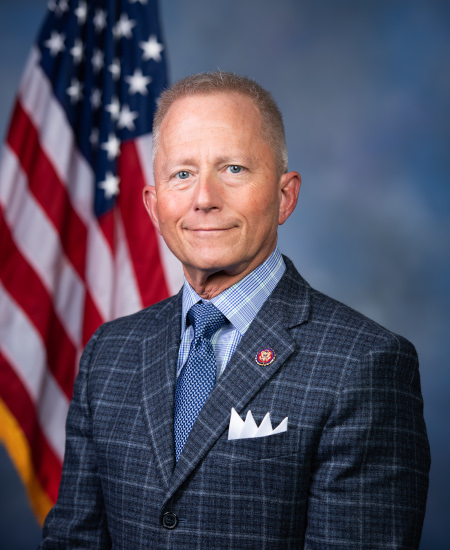
Jefferson Van Drew
House · District 2
|
R |
Strong +
|
100% | 4 |
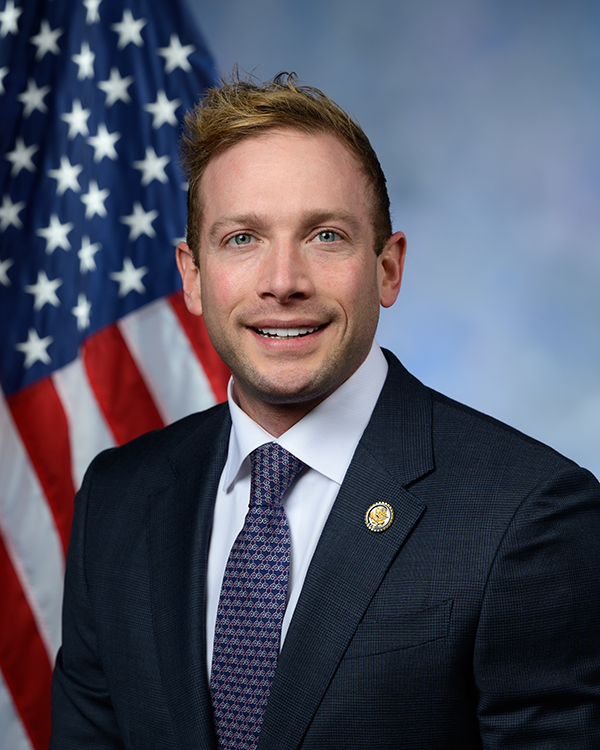
Max L. Miller
House · District 7
|
R |
Strong +
|
100% | 4 |

Elise M. Stefanik
House · District 21
|
R |
Strong +
|
100% | 3 |

Lauren Boebert
House · District 4
|
R |
Strong +
|
100% | 3 |

Wesley Hunt
House · District 38
|
R |
Strong +
|
100% | 3 |
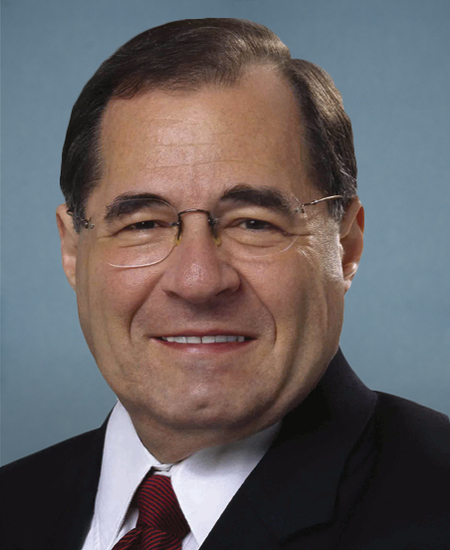
Jerrold Nadler
House · District 12
|
D |
Strong −
|
0% | 3 |

Mike Quigley
House · District 5
|
D |
Strong −
|
0% | 3 |
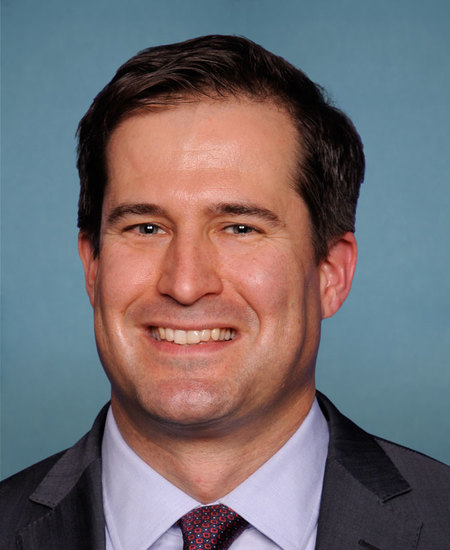
Seth Moulton
House · District 6
|
D |
Strong −
|
0% | 3 |
Adam Smith
House · District 9
|
D |
Oppose
|
25% | 4 |

Adelita S. Grijalva
House · District 7
|
D |
Oppose
|
25% | 4 |
Showing 71–80 of 428
bills
All veterans bills
HR 8199: SCHEDULES Act of 2026
Topics
✓ HealthcareSupports HealthcareBill improves patient access by requiring VA to set appointment timing standards and report performance, strengthening healthcare delivery for veterans.
✓ VeteransSupports VeteransBill mandates VA to set appointment wait time standards and report performance, improving veterans' healthcare access and accountability.
HR 7976: Moral Injury Recognition and Restitution Act
Topics
✓ HealthcareSupports HealthcareBill expands mental health compensation for veterans affected by military sexual trauma, improving access to healthcare benefits and financial restitution.
✓ VeteransSupports VeteransBill expands VA compensation benefits for veterans affected by military sexual trauma by allowing back pay from discharge date instead of claim filing date.
S 4231: A bill to amend title 38, United States Code, to increase flexibility in the transferability of Post-9/11 Educational Assistance, and for other purposes.
Topics
✓ EducationSupports EducationBill expands educational access by allowing service members to transfer Post-9/11 GI Bill benefits to family members, increasing flexibility in educational assistance.
✓ Labor & EmploymentSupports Labor & EmploymentBill expands educational benefits for military families, enhancing worker benefits and support for service members transitioning to civilian employment.
✓ VeteransSupports VeteransBill expands Post-9/11 GI Bill transferability, allowing service members to transfer benefits to family members more flexibly, strengthening veteran education benefits.
S 4237: A bill to amend title 38, United States Code, to modify the eligibility requirements for transfer of unused entitlement to Post-9/11 Educational Assistance, and for other purposes.
Topics
✓ EducationSupports EducationBill expands educational access by allowing military dependents to transfer unused Post-9/11 Educational Assistance benefits more flexibly, increasing opportunities for higher education.
✓ VeteransSupports VeteransBill modifies eligibility rules to allow earlier transfer of unused educational assistance benefits to dependents, expanding access to Post-9/11 benefits for service members and their families.
HR 8043: Vets CLEAR Act
Topics
✓ HealthcareSupports HealthcareBill expands recovered funds for VA medical care, strengthening healthcare funding for veterans through the Medical Care Collections Fund.
✓ VeteransSupports VeteransBill expands VA's ability to recover and deposit funds into the Medical Care Collections Fund, strengthening financial resources for veteran healthcare services.
S 4217: Copay Fairness for Veterans Act of 2026
Topics
✓ HealthcareSupports HealthcareBill eliminates copayments for preventive health services, expanding access and reducing financial barriers for veterans receiving care.
✓ VeteransSupports VeteransBill eliminates copayments for preventive VA healthcare services, directly improving veteran access to care and reducing financial barriers.
S 3993: Reducing Arbitrary Barriers to Apprenticeship Act of 2026
Topics
✓ EducationSupports EducationBill expands educational access for veterans by supporting apprenticeship and on-the-job training programs, increasing housing stipends and removing barriers to alternative education paths.
✓ Labor & EmploymentSupports Labor & EmploymentBill expands educational and training benefits for veterans, increasing housing stipends and removing barriers to apprenticeship programs, which strengthens workforce development and employment opportunities.
✓ VeteransSupports VeteransBill expands educational assistance options for veterans by supporting apprenticeships and on-the-job training, increasing housing stipends, and removing barriers to alternative education paths.
Sub-Topics
Higher Education
Apprenticeships
Workforce Development
Veteran Benefits
Veteran Education
Veteran Employment
HR 7908: 20-Year Promise Act
Topics
✓ EducationSupports EducationBill expands educational assistance for military veterans, increasing funding from 36 to 72 months of education benefits, directly supporting educational access and funding.
✓ Labor & EmploymentSupports Labor & EmploymentBill expands educational benefits for military personnel, strengthening worker benefits and supporting career development for service members.
✓ VeteransSupports VeteransBill extends educational assistance benefits from 36 to 72 months for veterans with 20+ years service, directly strengthening veteran support.