Issue · Veterans

Veterans

Every veterans bill, vote, and legislator stance in United States, automatically classified by Maddy, our AI policy reader.

Total bills
1,173
119th Congress
Top supporter
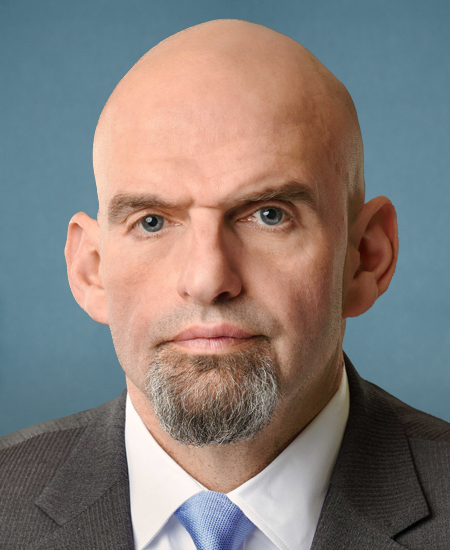
John Fetterman
88% support rate
Top opponent
Rand Paul
12% support rate
Ranked legislators
10
5 support · 5 oppose
Key legislators

Who's moving veterans in United States

Legislators moving veterans in United States
Legislator Party Stance Support rate Decisive votes
John Fetterman
John Fetterman Senate
D
Strong +
88% 40
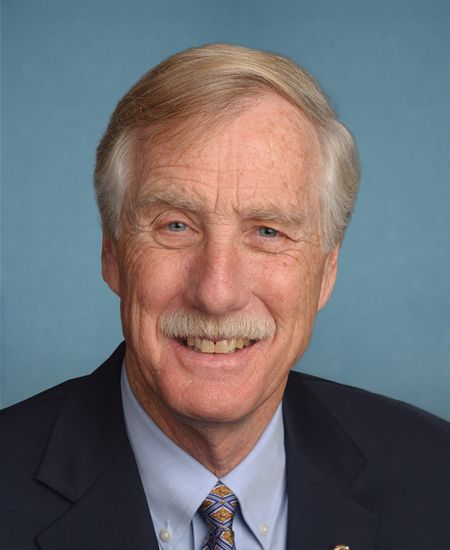
Angus S. King, Jr.
Angus S. King, Jr. Senate
I
Strong +
83% 42
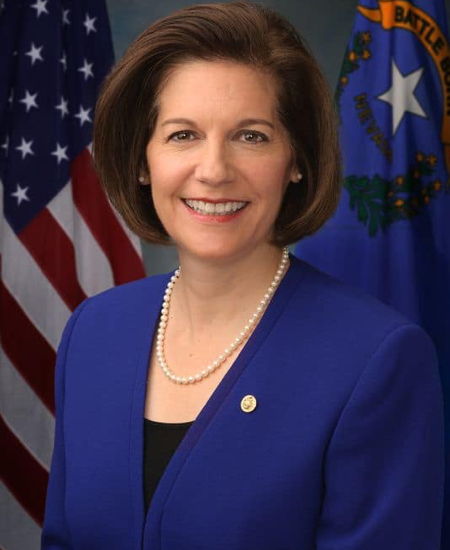
Catherine Cortez Masto
Catherine Cortez Masto Senate
D
Strong +
83% 42
Clay Fuller
Clay Fuller House · District 14
R
Strong +
80% 10
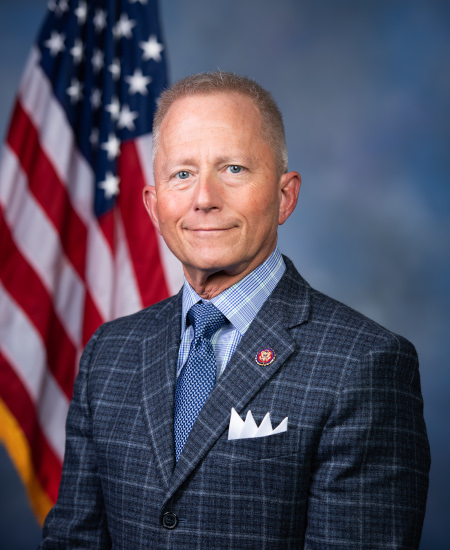
Jefferson Van Drew
Jefferson Van Drew House · District 2
R
Support
76% 17
Rand Paul
Rand Paul Senate
R
Strong −
12% 42
Adelita S. Grijalva
Adelita S. Grijalva House · District 7
D
Strong −
18% 11
Analilia Mejia
Analilia Mejia House · District 11
D
Strong −
20% 10
Christian D. Menefee
Christian D. Menefee House · District 18
D
Strong −
20% 10
André Carson
André Carson House · District 7
D
Oppose
25% 16
Showing 681–690 of 1,173 bills

All veterans bills

in committee · United States · House Feb 21, 2025

HR 1471: VA Appeals Reform Act of 2025

The VA Appeals Reform Act of 2025 aims to streamline veterans' benefits appeals by making the process more transparent and efficient. It requires the VA to provide veterans with their complete claims files, contact details for adjudicators, and relevant documents within 90 days of a request, and mandates that returned or remanded claims be processed within 90 days. The bill also establishes an electronic filing system for appeals, expands the Court of Appeals for Veterans Claims' authority to review decisions de novo (from the beginning), and requires the Board to hold scheduling conferences to help veterans prepare for hearings. These changes directly affect veterans navigating benefits claims and the VA's administrative processes.
in committee · United States · Senate Jun 25, 2025

S 2163: Border Patrol Recruitment Enhancement Act

This bill allows U.S. Customs and Border Protection (CBP) to waive the standard polygraph examination requirement for hiring specific candidates: current state/local law enforcement officers with 3+ years service and clean records, federal officers meeting similar criteria, or military veterans with honorable discharges and background checks. It requires CBP to report annually on waiver usage, hiring outcomes, and polygraph results for these candidates, with a GAO review after 5 years to assess disciplinary records. The waiver authority expires after 5 years, and all waived candidates must still meet other hiring standards like background investigations. The bill directly affects CBP's recruitment process for Border Patrol officers by expanding eligibility to certain experienced law enforcement professionals.
Sub-Topics Border Security
passed · United States · Senate Dec 19, 2025

S 787: VetPAC Act of 2025

VetPAC Act of 2025 This bill establishes the Veterans Health Administration Policy Advisory Commission for purposes of reviewing operations at the Veterans Health Administration and preparing reports with recommendations for Congress based on such review.
in committee · United States · House Apr 7, 2025

HR 2699: Veterans’ Telecommunication Protection Act

HR 2699, the Veterans’ Telecommunication Protection Act, requires telecom providers to charge veterans’ organizations the same residential rate for cable and landline phone services at their primary operating location, if that rate is lower than the standard business rate. It directly affects veterans’ organizations recognized by the Department of Veterans Affairs under 38 U.S.C. §5902, such as local chapters or service groups. The key provision mandates that providers apply residential pricing for eligible "covered services" (cable and voice services, excluding mobile) delivered to the organization’s main property. This change applies to services provided on or after the bill’s enactment date. The law aims to reduce telecom costs for these organizations by aligning their rates with residential customers.
Sub-Topics Veteran Housing
in committee · United States · House Dec 8, 2025

HR 3309: Autonomy for All Disabled Veterans Act

HR 3309, the Autonomy for All Disabled Veterans Act, increases financial assistance for disabled veterans needing home modifications. It raises the maximum benefit amount for home improvements from $6,800 to $10,000 and for structural alterations from $2,000 to $10,000 under Section 1717(a) of Title 38, U.S. Code. The bill also establishes an automatic annual inflation adjustment based on construction cost index changes, starting each fiscal year. These changes directly affect disabled veterans who qualify for home health services through the VA, applying to those who first apply for benefits after the bill's enactment date.
in committee · United States · House Mar 25, 2025

HR 1971: Veterans SPORT Act

The Veterans SPORT Act (HR 1971) expands VA medical coverage to include adaptive prostheses and terminal devices specifically designed for sports and recreational activities. It directly affects eligible veterans who use prosthetic limbs by ensuring these specialized devices are covered under existing VA medical services, alongside standard artificial limbs. The bill amends Section 1701 of Title 38, U.S. Code, by adding the explicit language "including adaptive prostheses and terminal devices for sports and other recreational activities" to the definition of covered items. This change streamlines access to equipment that supports veterans' participation in physical activities without requiring separate authorization. The policy update applies immediately to current VA medical service provisions, with no new funding or administrative processes specified.
passed · United States · House Jun 2, 2026

HR 1041: Veterans 2nd Amendment Protection Act

HR 1041, the Veterans 2nd Amendment Protection Act, prevents the Department of Veterans Affairs (VA) from automatically sending veterans' personal information to the national background check system (NICS) solely because a court has appointed a fiduciary (like a guardian) to manage their benefits. This directly affects veterans who have a fiduciary appointed due to mental health or cognitive challenges but are not deemed a danger to themselves or others. The bill requires a court order finding the veteran poses a danger before any such information can be shared with the NICS. It changes VA procedures to block unnecessary barriers to firearm ownership for veterans who qualify for fiduciary support without a judicial determination of danger.
in committee · United States · House Feb 26, 2025

HR 680: Caring for Survivors Act of 2025

This bill increases monthly compensation for surviving spouses of veterans by changing how the amount is calculated. Instead of a fixed rate, it sets the payment at 55% of the monthly compensation rate under Section 1114(j) of the U.S. Code. It also includes a special rule ensuring survivors whose veterans died before January 1, 1993, receive the higher of their current benefit or the new calculation. Additionally, it modifies eligibility for survivors of veterans who were totally disabled at death by reducing the required continuous disability rating period from 10 to 5 years.
in committee · United States · House Jan 29, 2026

HR 6005: Molly R. Loomis Research for Descendants of Toxic Exposed Veterans Act of 2025

This bill mandates federal research into health conditions affecting descendants of veterans exposed to toxins during military service, with a specific focus on descendants of veterans who served in Operation Ranch Hand (a Vietnam War unit exposed to Agent Orange). It requires the Department of Veterans Affairs to conduct a study collecting biological samples, health records, and surveys from these descendants to analyze genetic factors, birth defects, and preventative measures linked to toxic exposures. The study must produce a report detailing findings on correlations between exposure and health outcomes, including genetic markers and environmental factors. The research aims to inform future health policies but does not provide direct benefits or compensation to affected individuals.
in committee · United States · House Aug 26, 2025

HR 5035: Veteran and Spouse Licensing Flexibility Act of 2025

HR 5035, the Veteran and Spouse Licensing Flexibility Act of 2025, allows veterans and their spouses to have their existing professional licenses recognized in a new state when they relocate within 36 months of the veteran's discharge. To qualify, applicants must submit a copy of the veteran's DD Form 214, a marriage certificate (for spouses), and a notarized affidavit confirming license validity and good standing. If a state cannot process the application within 30 days, it must issue a temporary license with the same rights as a permanent one. This bill directly affects veterans and their spouses moving states after military service, streamlining license portability without requiring new exams or training.
Showing 681 to 690 of 1,173 bills
Previous 1 … 68 69 70 … 118 Next