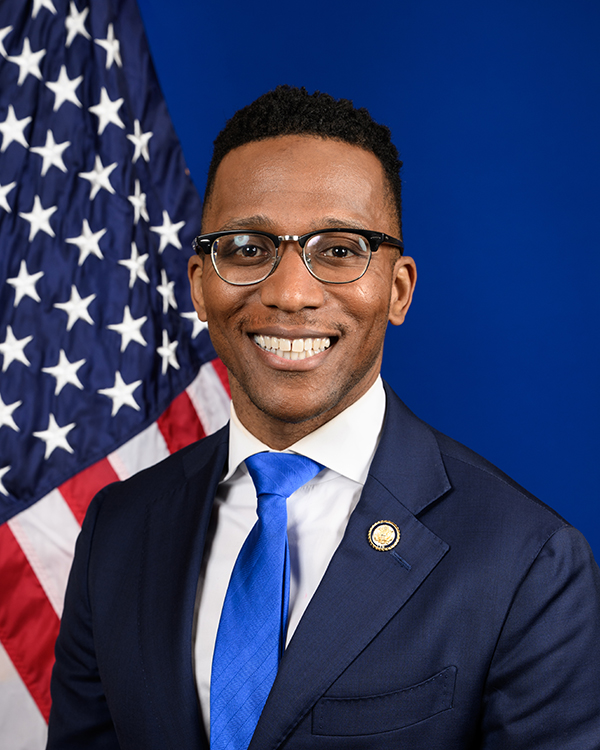
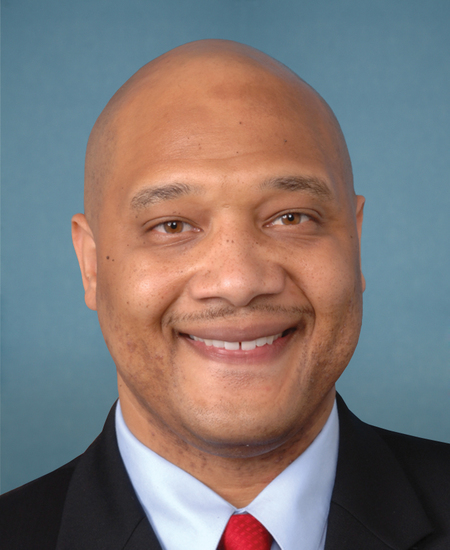
This bill extends the deadline for certain veterans' dependents to file claims for medical care under the CHAMPVA program. It applies to individuals already eligible for CHAMPVA benefits who also have Medicare Part A hospital coverage. The key change ensures that after receiving official approval for retroactive care, these individuals have a full 365 days (not earlier than one year) to file their claim. The extension applies from the bill's enactment date until September 30, 2027.
This bill expands access to Fisher Houses - temporary lodging near VA medical facilities - for veterans receiving care at non-VA locations who travel significant distances, and for family members providing support during treatment. It adds specific rules allowing these groups to use available space in Fisher Houses on a space-available basis, without changing existing funding or facility construction. Fisher Houses are privately donated facilities managed by the Fisher House Foundation and located near VA medical centers. The bill clarifies eligibility under current VA lodging programs but does not create new housing or alter costs.
The VA Appeals Reform Act of 2025 aims to streamline veterans' benefits appeals by making the process more transparent and efficient. It requires the VA to provide veterans with their complete claims files, contact details for adjudicators, and relevant documents within 90 days of a request, and mandates that returned or remanded claims be processed within 90 days. The bill also establishes an electronic filing system for appeals, expands the Court of Appeals for Veterans Claims' authority to review decisions de novo (from the beginning), and requires the Board to hold scheduling conferences to help veterans prepare for hearings. These changes directly affect veterans navigating benefits claims and the VA's administrative processes.
This bill allows U.S. Customs and Border Protection (CBP) to waive the standard polygraph examination requirement for hiring specific candidates: current state/local law enforcement officers with 3+ years service and clean records, federal officers meeting similar criteria, or military veterans with honorable discharges and background checks. It requires CBP to report annually on waiver usage, hiring outcomes, and polygraph results for these candidates, with a GAO review after 5 years to assess disciplinary records. The waiver authority expires after 5 years, and all waived candidates must still meet other hiring standards like background investigations. The bill directly affects CBP's recruitment process for Border Patrol officers by expanding eligibility to certain experienced law enforcement professionals.
VetPAC Act of 2025 This bill establishes the Veterans Health Administration Policy Advisory Commission for purposes of reviewing operations at the Veterans Health Administration and preparing reports with recommendations for Congress based on such review.
HR 2699, the Veterans’ Telecommunication Protection Act, requires telecom providers to charge veterans’ organizations the same residential rate for cable and landline phone services at their primary operating location, if that rate is lower than the standard business rate. It directly affects veterans’ organizations recognized by the Department of Veterans Affairs under 38 U.S.C. §5902, such as local chapters or service groups. The key provision mandates that providers apply residential pricing for eligible "covered services" (cable and voice services, excluding mobile) delivered to the organization’s main property. This change applies to services provided on or after the bill’s enactment date. The law aims to reduce telecom costs for these organizations by aligning their rates with residential customers.
HR 3309, the Autonomy for All Disabled Veterans Act, increases financial assistance for disabled veterans needing home modifications. It raises the maximum benefit amount for home improvements from $6,800 to $10,000 and for structural alterations from $2,000 to $10,000 under Section 1717(a) of Title 38, U.S. Code. The bill also establishes an automatic annual inflation adjustment based on construction cost index changes, starting each fiscal year. These changes directly affect disabled veterans who qualify for home health services through the VA, applying to those who first apply for benefits after the bill's enactment date.
HR 2723 modifies VA home loan guarantee limits for veterans, creating new rules based on loan size and whether the veteran had a loan closed before or after April 7, 2031. It establishes different maximum guaranty amounts - such as 50% of loan value for smaller loans closed before 2031, dropping to 25% afterward - and caps coverage at $36,000 for larger loans. This directly affects veterans applying for VA-backed mortgages, especially those with multiple veterans on a single loan or seeking loans above $56,250. The bill also adds a $23,607 civil penalty for false certification and adjusts loan fee effective dates.
The Veterans SPORT Act (HR 1971) expands VA medical coverage to include adaptive prostheses and terminal devices specifically designed for sports and recreational activities. It directly affects eligible veterans who use prosthetic limbs by ensuring these specialized devices are covered under existing VA medical services, alongside standard artificial limbs. The bill amends Section 1701 of Title 38, U.S. Code, by adding the explicit language "including adaptive prostheses and terminal devices for sports and other recreational activities" to the definition of covered items. This change streamlines access to equipment that supports veterans' participation in physical activities without requiring separate authorization. The policy update applies immediately to current VA medical service provisions, with no new funding or administrative processes specified.
HR 1041, the Veterans 2nd Amendment Protection Act, prevents the Department of Veterans Affairs (VA) from automatically sending veterans' personal information to the national background check system (NICS) solely because a court has appointed a fiduciary (like a guardian) to manage their benefits. This directly affects veterans who have a fiduciary appointed due to mental health or cognitive challenges but are not deemed a danger to themselves or others. The bill requires a court order finding the veteran poses a danger before any such information can be shared with the NICS. It changes VA procedures to block unnecessary barriers to firearm ownership for veterans who qualify for fiduciary support without a judicial determination of danger.