

Issue · Veterans
Veterans (Veteran Healthcare)
Every veterans bill, vote, and legislator stance in United States, automatically classified by Maddy, our AI policy reader.
Total bills
629
119th Congress
Top supporter
Mitch McConnell
91% support rate
Top opponent
Ruben Gallego
8% support rate
Ranked legislators
10
5 support · 5 oppose
Key legislators
Who's moving veteran healthcare in United States
| Legislator | Party | Stance | Support rate | Decisive votes |
|---|---|---|---|---|
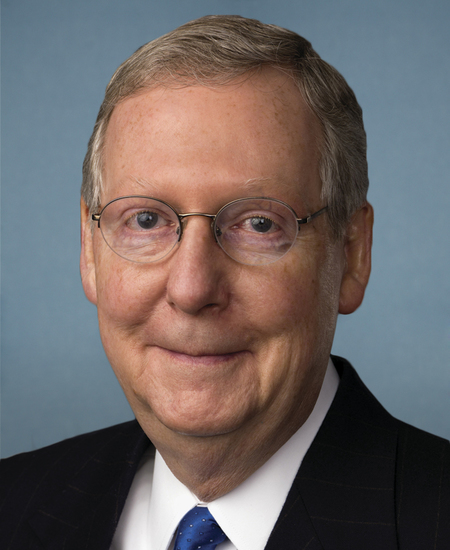
Mitch McConnell
Senate
|
R |
Strong +
|
91% | 22 |

Bill Cassidy
Senate
|
R |
Strong +
|
90% | 21 |
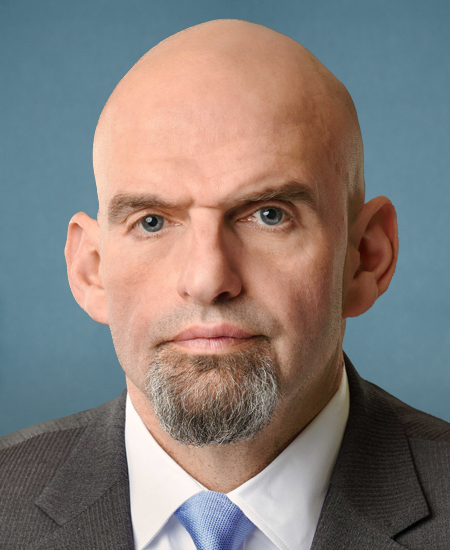
John Fetterman
Senate
|
D |
Strong +
|
87% | 30 |

Angus S. King, Jr.
Senate
|
I |
Strong +
|
84% | 32 |

Catherine Cortez Masto
Senate
|
D |
Strong +
|
84% | 32 |
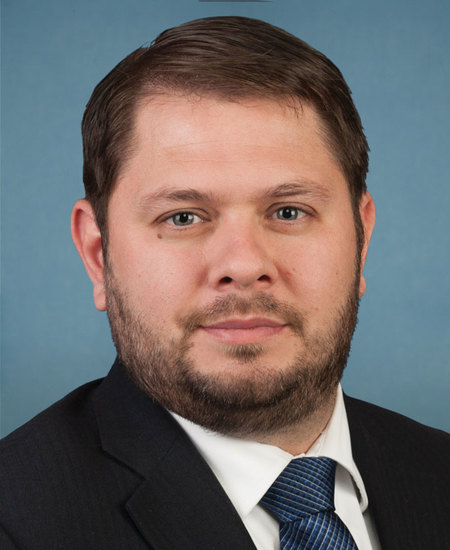
Ruben Gallego
Senate
|
D |
Strong −
|
8% | 24 |

Peter Welch
Senate
|
D |
Strong −
|
9% | 23 |

Rand Paul
Senate
|
R |
Strong −
|
12% | 32 |
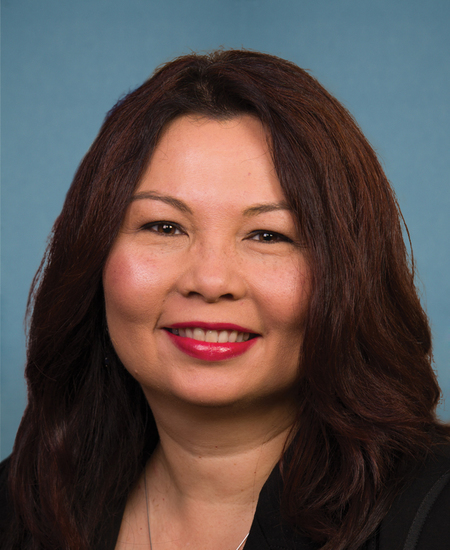
Tammy Duckworth
Senate
|
D |
Strong −
|
17% | 23 |

Christopher Murphy
Senate
|
D |
Strong −
|
19% | 32 |
Showing 531–540 of 629
bills
All veterans bills
HR 109: TEAM Veteran Caregivers Act
Topics
✓ HealthcareSupports HealthcarePrevents abrupt loss of caregiver benefits, ensures continuity of VA healthcare support for veterans and families, aligning with protecting patient access and rights in healthcare.
✓ VeteransSupports VeteransBill mandates VA to identify caregivers, send eligibility notifications, and provide 90-day benefit extensions during reviews - directly strengthening caregiver support and preventing abrupt benefit loss for veterans.
HR 1644: Copay Fairness for Veterans Act
Topics
✓ HealthcareSupports HealthcareEliminates VA copays for preventive care, improving access to screenings, immunizations, and women's health services per USPSTF/CDC guidelines.
✓ VeteransSupports VeteransEliminates copays for VA preventive care, directly improving veterans' healthcare access and reducing financial barriers to essential services.
HR 5539: POW Priority Care Act of 2025
Topics
✓ HealthcareSupports HealthcareBill expands VA healthcare access by prioritizing former POWs and adding them to extended care eligibility, directly strengthening coverage for a specific veteran group.
✓ VeteransSupports VeteransGives former POWs priority VA healthcare enrollment and extends eligibility for extended care services, directly expanding veteran healthcare access.
S 1644: Autonomy for Disabled Veterans Act
Topics
✓ HealthcareSupports HealthcareBill increases VA funding for home modifications for disabled veterans, improving accessibility and healthcare support for veterans with service-connected disabilities.
✓ HousingSupports HousingBill explicitly increases VA funding for home modifications (from $6,800 to $10,000) to improve housing accessibility for disabled veterans, directly funding a housing program.
✓ VeteransSupports VeteransIncreases VA home modification funding from $6,800 to $10,000 per modification with annual cost adjustments, directly expanding benefits for disabled veterans.
S 1415: Housing Unhoused Disabled Veterans Act
Topics
✓ HousingSupports HousingExcludes veterans' disability benefits from income calculations, increasing eligibility for Section 8 housing assistance and directly advancing affordable housing access for disabled veterans.
✓ VeteransSupports VeteransExcludes veterans' disability benefits from income calculations, directly increasing housing eligibility for disabled veterans under Section 8 programs.
HR 1656: PLUS for Veterans Act of 2025
S 1614: AVIATE Act of 2025
Topics
✓ Labor & EmploymentSupports Labor & EmploymentExpands VA vocational rehab to include non-degree flight training, supporting veterans' employment opportunities in aviation careers (a form of worker benefit expansion).
✓ VeteransSupports VeteransExpands VA vocational rehab to include non-degree flight training for veterans with disabilities, overriding prior restrictions.
Sub-Topics
Professional Licensing
Workforce Development
Veteran Education
Veteran Employment
Veteran Healthcare
S 654: A bill to amend title 38, United States Code, to establish an external provider scheduling program to assist the Department of Veterans Affairs in scheduling appointments for care and services under the Veterans Community Care Program, and for other purposes.
Topics
✓ HealthcareSupports HealthcareBill establishes real-time scheduling to reduce wait times for veterans using community care, directly improving access to healthcare services under the Veterans Community Care Program.
✓ VeteransSupports VeteransEstablishes program to reduce VA appointment wait times for veterans using community care, directly improving healthcare access and scheduling efficiency.
HR 6451: VA Transit Act
Topics
✓ HealthcareSupports HealthcareBill improves patient access to VA healthcare facilities through public transportation funding, directly supporting healthcare access for veterans.
✓ TransportationSupports TransportationBill funds public transit improvements via grants to expand routes to VA facilities, directly advancing transportation infrastructure for veterans' access.
✓ VeteransSupports VeteransFunds public transit improvements to enhance veterans' access to VA facilities and veteran services, directly advancing access to care