

Issue · Veterans
Veterans (Veteran Healthcare)
Every veterans bill, vote, and legislator stance in United States, automatically classified by Maddy, our AI policy reader.
Total bills
641
119th Congress
Top supporter
Mitch McConnell
91% support rate
Top opponent
Ruben Gallego
8% support rate
Ranked legislators
10
5 support · 5 oppose
Key legislators
Who's moving veteran healthcare in United States
| Legislator | Party | Stance | Support rate | Decisive votes |
|---|---|---|---|---|

Mitch McConnell
Senate
|
R |
Strong +
|
91% | 22 |

Bill Cassidy
Senate
|
R |
Strong +
|
90% | 21 |
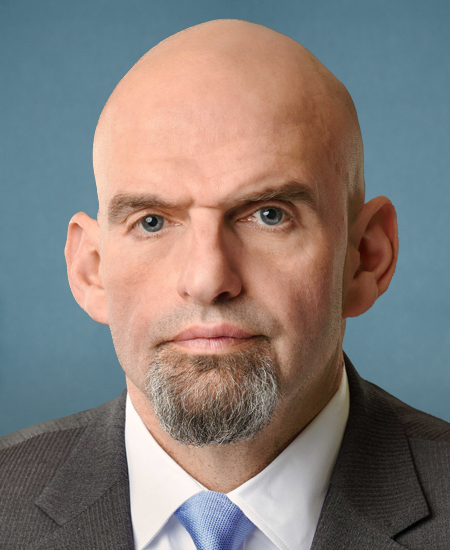
John Fetterman
Senate
|
D |
Strong +
|
87% | 30 |

Angus S. King, Jr.
Senate
|
I |
Strong +
|
84% | 32 |

Catherine Cortez Masto
Senate
|
D |
Strong +
|
84% | 32 |
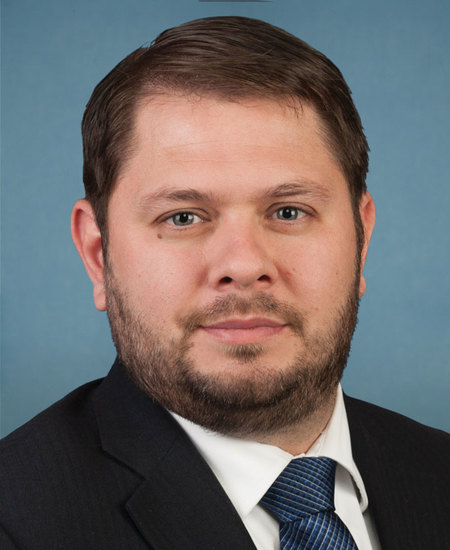
Ruben Gallego
Senate
|
D |
Strong −
|
8% | 24 |

Peter Welch
Senate
|
D |
Strong −
|
9% | 23 |

Rand Paul
Senate
|
R |
Strong −
|
12% | 32 |

Tammy Duckworth
Senate
|
D |
Strong −
|
17% | 23 |

Christopher Murphy
Senate
|
D |
Strong −
|
19% | 32 |
Showing 461–470 of 641
bills
All veterans bills
HR 6794: VA Medical Center Facility Transparency Act
Topics
✓ HealthcareSupports HealthcareRequires same-day scheduling and transparency reports to improve VA patient access and satisfaction, aligning with support indicators.
✓ VeteransSupports VeteransBill mandates same-call scheduling and transparency metrics (wait times, satisfaction) for VA medical centers, directly improving veterans' healthcare access and experience.
SRES 215: A resolution expressing support for the designation of the week of May 12, 2025, through May 16, 2025 as "Veterans Affairs Research Week" to celebrate the research, innovation, and significant contributions of the Department of Veterans Affairs to improving the lives of countless veterans, people in the United States, and individuals around the world.
HR 3441: K2 Veterans Total Coverage Act of 2025
Topics
✓ HealthcareSupports HealthcareBill expands healthcare benefits by creating presumption of service connection for specific conditions, automatically qualifying veterans for disability benefits and improving access to care.
✓ VeteransSupports VeteransAutomatically qualifies veterans for disability benefits for 15 health conditions, expanding access without requiring proof of service connection.
HR 1286: Simplifying Forms for Veterans Claims Act
HJRES 144: Providing for congressional disapproval under chapter 8 of title 5, United States Code, of the rule submitted by the Department of Veterans Affairs relating to "Reproductive Health Services".
Topics
✗ HealthcareOpposes HealthcareDisapproves VA rule on reproductive health services, preventing implementation and limiting veterans' access to such care.
✗ VeteransOpposes VeteransBill disapproves VA rule on reproductive health services for veterans, restricting access to these healthcare services.
S 3739: Veterans Hearing Aid Improvement Act of 2026
Topics
✓ HealthcareSupports HealthcareBill proposes expanding VA coverage for FDA-cleared hearing aids, directly improving access to a health service for eligible veterans under public healthcare program.
✓ VeteransSupports VeteransBill tests VA coverage of OTC hearing aids for veterans with hearing loss, expanding access to healthcare benefits and improving service access for eligible veterans.
S 3138: Veterans SPORT Act
Topics
✓ HealthcareSupports HealthcareExpands VA medical coverage to include adaptive sports prostheses, directly improving access to healthcare services for veterans without additional authorization.
✓ TechnologySupports TechnologyBill expands VA coverage to include adaptive prosthetic devices for sports, enhancing accessibility and technological support for veterans.
✓ VeteransSupports VeteransExpands VA coverage to include adaptive sports prosthetics without separate authorization, directly improving veterans' healthcare access for recreational therapy.
HR 5611: Mental Health Care Provider Retention Act of 2025
Topics
✓ HealthcareSupports HealthcareEnsures uninterrupted mental health care continuity for veterans during DoD-VA transition, improving access and supporting services per bill's provider retention and record transfer requirements.
✓ VeteransSupports VeteransBill ensures uninterrupted mental health care during DoD-to-VA transition by allowing veterans to keep current providers, requiring VA reimbursement, and mandating record transfers, directly strengthening veteran healthcare access.
HR 136: Veteran Overmedication and Suicide Prevention Act of 2025
Topics
✓ HealthcareSupports HealthcareBill mandates VA review of mental health practices to prevent veteran suicides, strengthening mental health service oversight and safety protocols.
✓ VeteransSupports VeteransMandates VA review of medication use and mental health practices to prevent veteran suicides, directly improving healthcare safety and addressing critical veteran health risks.