Issue · Veterans

Veterans (Military Families)

Every veterans bill, vote, and legislator stance in United States, automatically classified by Maddy, our AI policy reader.

Total bills
111
119th Congress
Top supporter
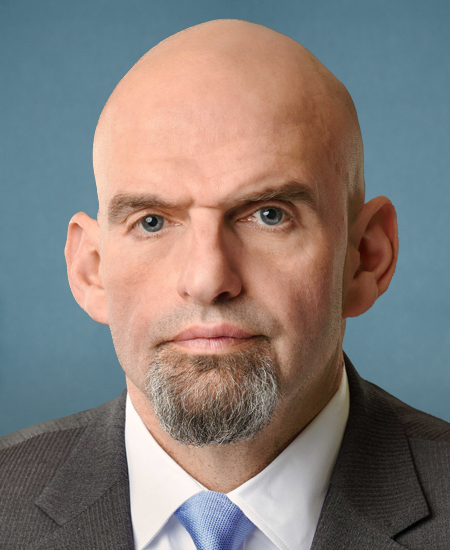
John Fetterman
100% support rate
Top opponent
Rand Paul
0% support rate
Ranked legislators
10
5 support · 5 oppose
Key legislators

Who's moving military families in United States

Legislators moving military families in United States
Legislator Party Stance Support rate Decisive votes
John Fetterman
John Fetterman Senate
D
Strong +
100% 22
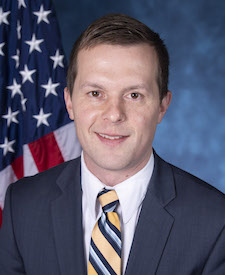
Jared F. Golden
Jared F. Golden House · District 2
D
Strong +
100% 3
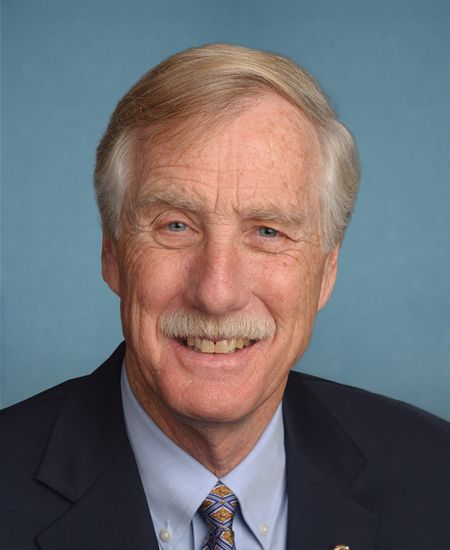
Angus S. King, Jr.
Angus S. King, Jr. Senate
I
Strong +
96% 24
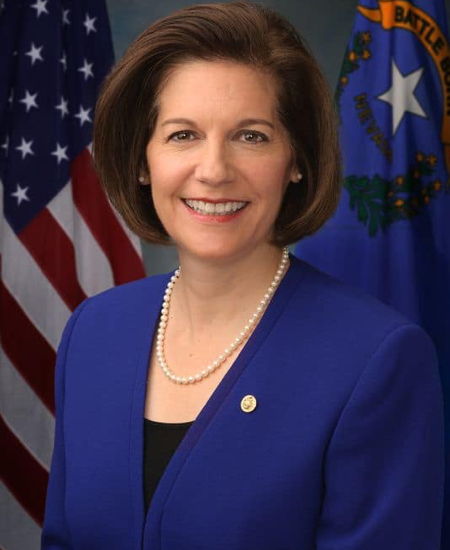
Catherine Cortez Masto
Catherine Cortez Masto Senate
D
Strong +
96% 24
Susan M. Collins
Susan M. Collins Senate
R
Strong +
92% 24
Rand Paul
Rand Paul Senate
R
Strong −
0% 24
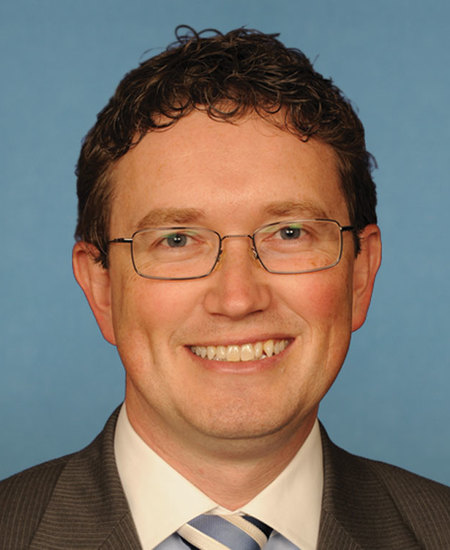
Thomas Massie
Thomas Massie House · District 4
R
Strong −
0% 3
Amy Klobuchar
Amy Klobuchar Senate
D
Strong −
12% 24
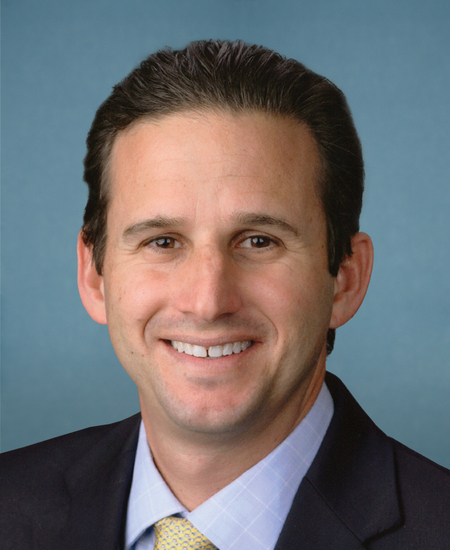
Brian Schatz
Brian Schatz Senate
D
Strong −
12% 24
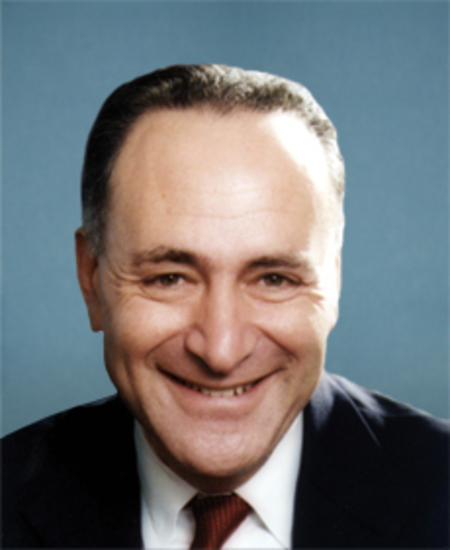
Charles E. Schumer
Charles E. Schumer Senate
D
Strong −
12% 24
Showing 31–40 of 111 bills

All veterans bills

in committee · United States · Senate Feb 26, 2026

S 3938: TAP Promotion Act

This bill, known as the TAP Promotion Act, would allow representatives from recognized veterans service organizations to join presentations that inform service members about benefits they can access after leaving the military. These presentations are part of the Transition Assistance Program, which helps veterans prepare for civilian life, and the law requires that they be standardized and approved by the Department of Veterans Affairs before being used. The bill also mandates that the presentations include information on how veterans service organizations can help with filing benefit claims, while prohibiting any effort to encourage members to join a specific organization. Additionally, the Department of Veterans Affairs must submit an annual report to Congress detailing which organizations participated in these sessions and how many service members attended.
signed · United States · House Dec 12, 2025

HR 970: Fairness for Servicemembers and their Families Act of 2025

Fairness for Servicemembers and their Families Act of 2025 This act requires the Department of Veterans Affairs (VA) to periodically review and report on the maximum coverage available under the Servicemembers' Group Life Insurance and Veterans' Group Life Insurance programs. Specifically, the VA must review such coverage amount every five years, taking into account the average percentage by which the Consumer Price Index for All Urban Consumers (CPI-U) increased in the five fiscal years preceding the review.
in committee · United States · Senate May 13, 2026

SJRES 132: A joint resolution providing for congressional disapproval under chapter 8 of title 5, United States Code, of the rule submitted by the Bureau of Consumer Financial Protection relating to the withdrawal of the rule relating to "Examinations for Risks to Active-Duty Servicemembers and Their Covered Dependents".

This joint resolution seeks to disapprove a rule from the Bureau of Consumer Financial Protection that would have removed protections for active-duty military service members and their dependents. The bill directly affects the Bureau of Consumer Financial Protection and military personnel by preventing the withdrawal of regulations that require financial institutions to examine risks to servicemembers. If passed, the resolution would keep existing rules in place that mandate banks and lenders assess how their products impact active-duty military families. The measure uses a congressional veto process to block the agency's attempt to eliminate these examination requirements.
Sub-Topics Military Families
in committee · United States · House Jan 7, 2026

HR 6958: PROTECT Military Families Act

HR 6958, the PROTECT Military Families Act, creates a new immigration parole pathway for family members of military personnel. It allows the Secretary of Homeland Security to parole into the U.S. spouses, parents, children, or widows/widowers of current active-duty service members, Selected Reserve members, or veterans (with non-dishonorable discharge) in one-year increments. The bill requires joint written justification from DHS, Defense, and VA for denials and mandates public posting of denial reasons without personal details. This policy change directly affects military families seeking temporary U.S. entry under specific military service conditions.
passed · United States · House Sep 16, 2026

HR 1682: BELO’S Act

The BELO'S Act (HR 1682) amends the Federal Lands Recreation Enhancement Act to provide free lifetime access to federal recreation sites (like national parks and forests) for survivors of military personnel. Specifically, it extends this benefit to individuals already receiving death gratuities under 10 U.S.C. §1475 or dependency and indemnity compensation under 38 U.S.C. Chapter 13. These survivors typically include spouses, children, or other dependents of service members who died while on active duty. The bill directly affects military families who have lost a loved one in service, adding them as a new eligibility category for recreation passes without altering existing benefits for veterans or other groups.
Sub-Topics Military Families
in committee · United States · House Mar 18, 2025

HR 2228: Survivor Benefits Fairness Act

HR 2228, the Survivor Benefits Fairness Act, modifies how the Department of Veterans Affairs calculates when survivor benefits stop for veterans' spouses or dependents. It changes the effective date for benefit reductions or discontinuances due to remarriage, marriage, or death from "the last day of the month before" to "the last day of the month during which" the event occurs. This means benefits will stop immediately in the month the qualifying event happens, rather than at the start of the following month. The bill directly affects veterans' spouses and dependents who receive dependency and indemnity compensation or pensions. It does not change benefit amounts or eligibility criteria, only the timing of when reductions take effect.
in committee · United States · House May 14, 2026

HR 3159: Improving SCRA Benefit Utilization Act

Improving SCRA Benefit Utilization Act This bill expands interest rate protections under the Servicemembers Civil Relief Act (SCRA) and requires expanded training for and outreach to servicemembers regarding financial literacy and SCRA protections. The SCRA caps the maximum interest charged on any debt incurred by a servicemember prior to entering active duty at 6% annually if the servicemember's ability to pay is materially affected by active-duty status; servicemembers must provide notice and other documentation to creditors to receive this cap. The bill requires creditors to apply this cap to all of a servicemember’s obligations or liabilities with that creditor, regardless of whether a certain obligation or liability was specifically mentioned in the required notice provided by the member to invoke SCRA rights. Further, the bill requires creditors to provide all necessary mechanisms to ensure a servicemember is able to submit any required documentation. The bill also requires that the financial literacy training program provided to servicemembers include information about consumer financial protections afforded to such members and their dependents, including protections regarding interest rate limits under the SCRA. Additionally, the bill requires the military department concerned to provide written notice of benefits under the SCRA to servicemembers at the time they first enter military service and, for members of the reserve components, at the time they first enter service in the reserves and at any time when they are mobilized or ordered to active duty for more than 30 days.
in committee · United States · House Nov 20, 2025

HR 6039: Commonsense Legislating Act

The Commonsense Legislating Act (HR 6039) makes several significant changes to federal programs. It extends the FAST Program through 2030, requires enhanced outreach to minority and Hispanic-serving institutions for small business grants, and expands the work opportunity tax credit to include military spouses. The bill establishes a Working Families Task Force to address challenges like affordability and childcare, and mandates annual mental health consultations for veterans with service-connected mental health disabilities. Additionally, it creates Native American tourism grant programs with $35 million in funding for 2026-2030 and establishes a Fentanyl Disruption Steering Group within the National Security Council.
Sub-Topics Tax Credits Mental Health Military Families Veteran Mental Health Tags Small Business Tribal Nations
in committee · United States · House May 5, 2025

HR 3195: To amend the Small Business Act to include surviving children in the definition of small business concern owned and controlled by service-disabled veterans, and for other purposes.

This bill amends the Small Business Act to allow surviving children of service-disabled veterans to maintain a business's status as "owned and controlled by service-disabled veterans" after the veteran owner's death. It adds surviving children (biological or adopted) to the definition of eligible owners, enabling them to inherit the veteran's ownership stake if they acquire it immediately after the death. The business must have been previously certified under the program, and the child must hold the ownership for up to three years (or until they relinquish it) to keep the business eligible for veteran-owned business benefits. This change directly affects small businesses owned by service-disabled veterans that would otherwise lose their veteran-owned status upon the owner's death.
Sub-Topics Military Families Veteran Employment Tags Small Business
in committee · United States · Senate May 21, 2025

S 605: CHAMPVA Children's Care Protection Act of 2025

This bill increases the age limit for children to remain eligible for medical care under the CHAMPVA program from 21 to 26 years old, regardless of marital status. It directly affects the children of veterans who qualify for CHAMPVA benefits. The key provision amends Section 1781(c) of Title 38, U.S. Code, to extend coverage until a child's 26th birthday. This change applies to medical care provided on or after the bill's enactment date. It does not affect children already covered under specific existing provisions of the law.
Showing 31 to 40 of 111 bills
Previous 1 … 3 4 5 … 12 Next