

Issue · Veterans
Veterans (Veteran Benefits)
Every veterans bill, vote, and legislator stance in United States, automatically classified by Maddy, our AI policy reader.
Total bills
433
119th Congress
Top supporter
Jefferson Van Drew
100% support rate
Top opponent
Jerrold Nadler
0% support rate
Ranked legislators
10
5 support · 5 oppose
Key legislators
Who's moving veteran benefits in United States
| Legislator | Party | Stance | Support rate | Votes |
|---|---|---|---|---|

Jefferson Van Drew
House · District 2
|
R |
Strong +
|
100% | 4 |
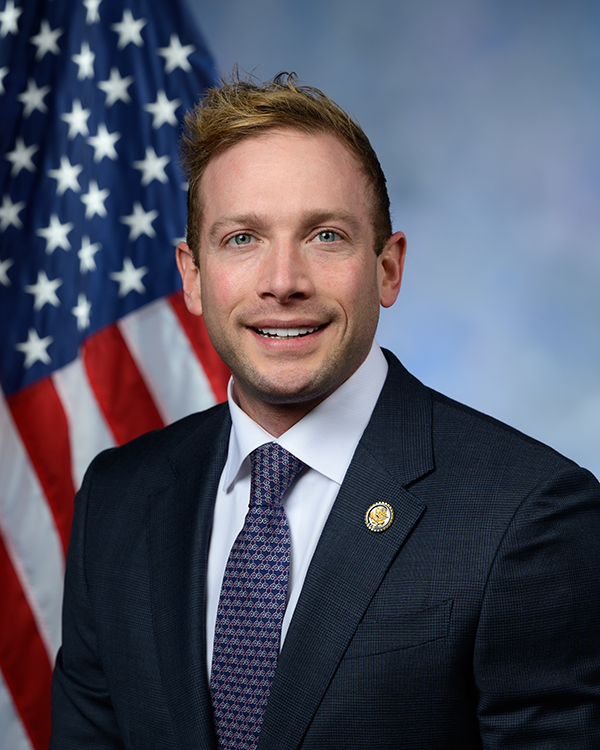
Max L. Miller
House · District 7
|
R |
Strong +
|
100% | 4 |

Elise M. Stefanik
House · District 21
|
R |
Strong +
|
100% | 3 |
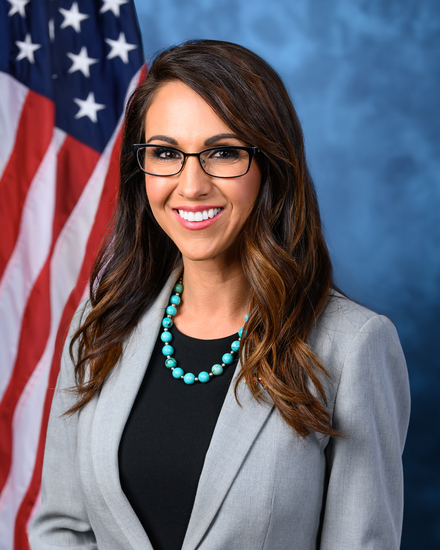
Lauren Boebert
House · District 4
|
R |
Strong +
|
100% | 3 |

Wesley Hunt
House · District 38
|
R |
Strong +
|
100% | 3 |
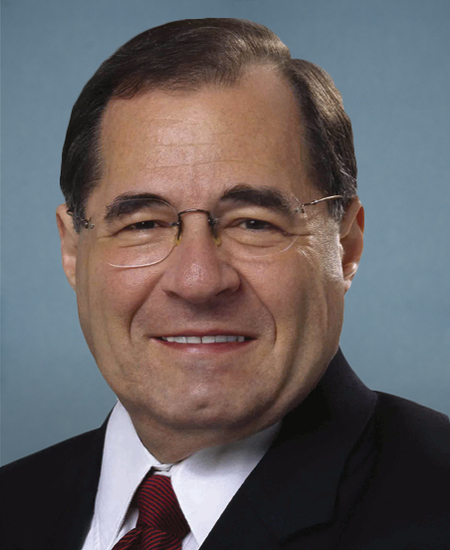
Jerrold Nadler
House · District 12
|
D |
Strong −
|
0% | 3 |

Mike Quigley
House · District 5
|
D |
Strong −
|
0% | 3 |
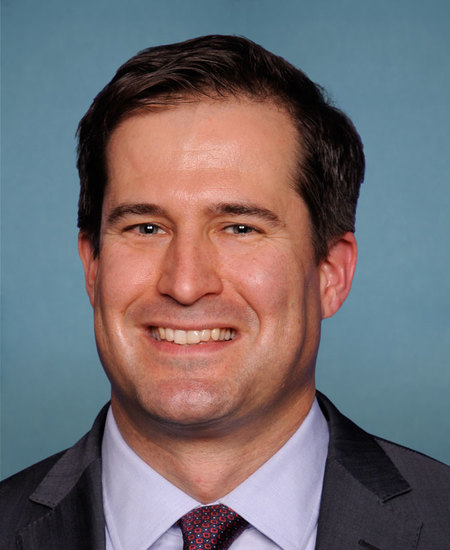
Seth Moulton
House · District 6
|
D |
Strong −
|
0% | 3 |
Adam Smith
House · District 9
|
D |
Oppose
|
25% | 4 |

Adelita S. Grijalva
House · District 7
|
D |
Oppose
|
25% | 4 |
Showing 361–370 of 433
bills
All veterans bills
HR 109: TEAM Veteran Caregivers Act
Topics
✓ HealthcareSupports HealthcarePrevents abrupt loss of caregiver benefits, ensures continuity of VA healthcare support for veterans and families, aligning with protecting patient access and rights in healthcare.
✓ VeteransSupports VeteransBill mandates VA to identify caregivers, send eligibility notifications, and provide 90-day benefit extensions during reviews - directly strengthening caregiver support and preventing abrupt benefit loss for veterans.
HR 1644: Copay Fairness for Veterans Act
Topics
✓ HealthcareSupports HealthcareEliminates VA copays for preventive care, improving access to screenings, immunizations, and women's health services per USPSTF/CDC guidelines.
✓ VeteransSupports VeteransEliminates copays for VA preventive care, directly improving veterans' healthcare access and reducing financial barriers to essential services.
HR 6034: VET Extension Act of 2025
Topics
✓ EducationSupports EducationExtends GI Bill benefits for veterans' higher education, enhancing access to postsecondary education through additional entitlements and transfer rights.
✓ VeteransSupports VeteransExtends GI Bill benefits for remedial courses and enables future dependent transfer rights, directly expanding veteran educational benefits.
HR 5539: POW Priority Care Act of 2025
Topics
✓ HealthcareSupports HealthcareBill expands VA healthcare access by prioritizing former POWs and adding them to extended care eligibility, directly strengthening coverage for a specific veteran group.
✓ VeteransSupports VeteransGives former POWs priority VA healthcare enrollment and extends eligibility for extended care services, directly expanding veteran healthcare access.
S 1644: Autonomy for Disabled Veterans Act
Topics
✓ HealthcareSupports HealthcareBill increases VA funding for home modifications for disabled veterans, improving accessibility and healthcare support for veterans with service-connected disabilities.
✓ HousingSupports HousingBill explicitly increases VA funding for home modifications (from $6,800 to $10,000) to improve housing accessibility for disabled veterans, directly funding a housing program.
✓ VeteransSupports VeteransIncreases VA home modification funding from $6,800 to $10,000 per modification with annual cost adjustments, directly expanding benefits for disabled veterans.
S 1415: Housing Unhoused Disabled Veterans Act
Topics
✓ HousingSupports HousingExcludes veterans' disability benefits from income calculations, increasing eligibility for Section 8 housing assistance and directly advancing affordable housing access for disabled veterans.
✓ VeteransSupports VeteransExcludes veterans' disability benefits from income calculations, directly increasing housing eligibility for disabled veterans under Section 8 programs.
HR 1656: PLUS for Veterans Act of 2025
HR 1423: Guard and Reserve GI Bill Parity Act of 2025
Topics
✓ EducationSupports EducationBill expands educational benefits for National Guard members, increasing access to higher education and strengthening educational support for veterans.
✓ Labor & EmploymentSupports Labor & EmploymentExpands educational benefits for National Guard members (a worker group) by making them eligible for Post-9/11 GI Bill like active-duty, strengthening worker benefits access.
✓ VeteransSupports VeteransExpands GI Bill benefits to National Guard members by removing exclusions for full-time duty, retroactively granting denied educational benefits since 9/11.
S 654: A bill to amend title 38, United States Code, to establish an external provider scheduling program to assist the Department of Veterans Affairs in scheduling appointments for care and services under the Veterans Community Care Program, and for other purposes.
Topics
✓ HealthcareSupports HealthcareBill establishes real-time scheduling to reduce wait times for veterans using community care, directly improving access to healthcare services under the Veterans Community Care Program.
✓ VeteransSupports VeteransEstablishes program to reduce VA appointment wait times for veterans using community care, directly improving healthcare access and scheduling efficiency.