Issue · Veterans

Veterans (Veteran Healthcare)

Every veterans bill, vote, and legislator stance in United States, automatically classified by Maddy, our AI policy reader.

Total bills
641
119th Congress
Top supporter
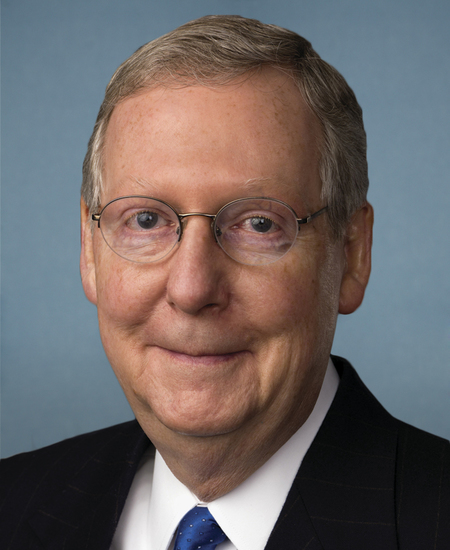
Mitch McConnell
91% support rate
Top opponent
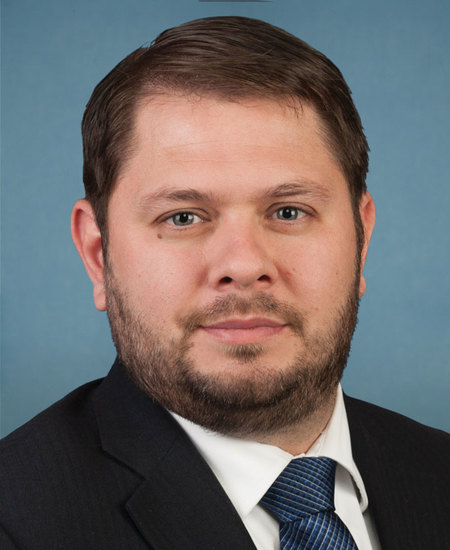
Ruben Gallego
8% support rate
Ranked legislators
10
5 support · 5 oppose
Key legislators

Who's moving veteran healthcare in United States

Legislators moving veteran healthcare in United States
Legislator Party Stance Support rate Decisive votes
Mitch McConnell
Mitch McConnell Senate
R
Strong +
91% 22
Bill Cassidy
Bill Cassidy Senate
R
Strong +
90% 21
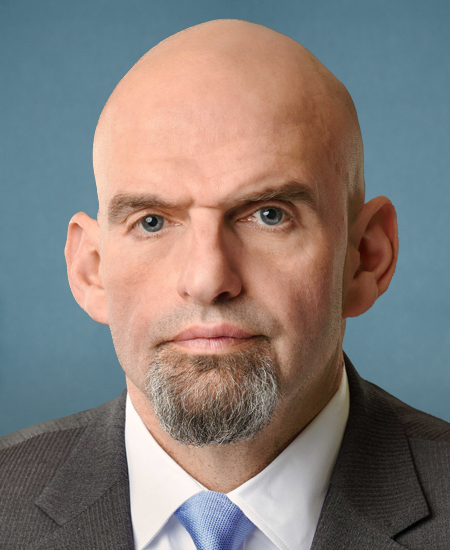
John Fetterman
John Fetterman Senate
D
Strong +
87% 30
Angus S. King, Jr.
Angus S. King, Jr. Senate
I
Strong +
84% 32
Catherine Cortez Masto
Catherine Cortez Masto Senate
D
Strong +
84% 32
Ruben Gallego
Ruben Gallego Senate
D
Strong −
8% 24
Peter Welch
Peter Welch Senate
D
Strong −
9% 23
Rand Paul
Rand Paul Senate
R
Strong −
12% 32
Tammy Duckworth
Tammy Duckworth Senate
D
Strong −
17% 23
Christopher Murphy
Christopher Murphy Senate
D
Strong −
19% 32
Showing 351–360 of 641 bills

All veterans bills

in committee · United States · House Jul 2, 2025

HR 4271: VR&E Accountability Act

This bill sets a 96-month maximum for veterans' vocational rehabilitation programs (VR&E) under the Department of Veterans Affairs. It prohibits extending programs beyond 96 months without first determining "extraordinary circumstances" apply to a specific veteran and submitting written notice to Congress's Veterans' Affairs committees. The law directly affects veterans whose rehabilitation needs might otherwise lead to indefinite program extensions. Key mechanisms include the 96-month cap, the "extraordinary circumstances" requirement, and mandatory congressional notification for any extension beyond that limit.
passed · United States · House May 22, 2025

HR 1969: No Wrong Door for Veterans Act

This bill reauthorizes the VA's suicide prevention grant program for veterans at risk of suicide. It reduces annual grant funding from $750,000 to $500,000 per nonprofit or community organization, adds $10,000 per veteran served, and requires grantees to notify veterans about emergency crisis care options. The bill also mandates quarterly coordination meetings between grantees and nearby VA medical centers within 100 miles. Funding is extended through 2028, with $174 million allocated for 2021-2025 and $157.5 million for 2026-2028.
in committee · United States · House Jun 24, 2025

HR 3983: Veterans Claims Quality Improvement Act of 2025

HR 3983, the Veterans Claims Quality Improvement Act of 2025, aims to reduce errors in processing veterans' benefit claims by implementing new oversight and training requirements. The bill requires the VA to notify employees who cause avoidable delays in claims processing, study inconsistent legal opinions from the VA's Office of General Counsel, and create a quality assurance program for the Board of Veterans' Appeals to track errors and improve decision quality. It mandates annual reports on claim remand reasons and establishes training for Board members on timely and accurate claim reviews. These changes directly affect VA employees handling claims and the Board of Veterans' Appeals, focusing on correcting administrative errors rather than altering benefit eligibility.
in committee · United States · House Jun 6, 2025

HR 3611: Veterans Skilled Trades Transition Act

HR 3611, the Veterans Skilled Trades Transition Act, requires the Department of Defense, in collaboration with the Departments of Veterans Affairs and Labor, to submit a report to Congress within 180 days of enactment. The report must assess how many veterans successfully transfer military-acquired credentials (like those for airplane mechanics) into civilian jobs, identify commonly used certifications, and analyze barriers to state-level credential recognition. This bill focuses on gathering data to better understand the effectiveness of current programs supporting veterans transitioning to skilled trades careers, without creating new benefits or changing existing laws. It directly affects veterans seeking to use military training in civilian skilled trades roles.
in committee · United States · House Nov 7, 2025

HRES 864: Honoring the service and sacrifice of America's veterans on Veterans Day, 2025.

HRES 864 is a ceremonial resolution honoring U.S. veterans on Veterans Day 2025. It does not create new laws or policies but formally recognizes veterans' service and sacrifice, calling on all Americans to observe Veterans Day. The resolution references historical context about Veterans Day's origins (from Armistice Day to honoring all veterans) but contains no concrete policy changes. It directly addresses the general public, urging them to participate in the observance. As a non-binding resolution, it affects no specific individuals or groups through legislative action.
in committee · United States · Senate Mar 18, 2026

S 2309: Veteran Burial Timeliness and Death Certificate Accountability Act

This bill requires VA-employed physicians or nurse practitioners to sign a veteran's death certificate within 48 hours of learning of their death (for natural causes), addressing delays that have lasted up to eight weeks. It directly affects veterans' families and survivors who face blocked burial arrangements and delayed access to benefits due to these certification delays. The bill also mandates annual VA reports to Congress on compliance, including the percentage of timely certifications and reasons for delays. Key provisions focus on setting a clear 48-hour deadline for VA providers and creating transparency through mandatory reporting. It does not override state medical certification laws or require VA staff to violate their licensing requirements.
passed · United States · House Jan 26, 2026

HR 659: Veterans Law Judge Experience Act of 2025

HR 659, the Veterans Law Judge Experience Act of 2025, changes how the Board of Veterans’ Appeals appoints new judges. It requires the Board’s Chairman to prioritize candidates with at least three years of legal experience in areas related to veterans' laws when recommending people to the Secretary. This directly affects individuals applying for Veterans Law Judge positions by making specific legal experience a key factor in appointments. The bill does not alter veterans' benefits but aims to ensure judges have relevant legal expertise in handling veterans' cases.
in committee · United States · House Jan 23, 2026

HR 6812: Gulf War Survivor Benefits Update Act of 2025

The Gulf War Survivor Benefits Update Act of 2025 would extend the deadline for surviving spouses of Persian Gulf War veterans to apply for certain VA benefits. It changes the current cutoff date (January 1, 2001) to ten years and one day after the Persian Gulf War ended, as defined by presidential proclamation or law. This extension would allow more surviving spouses to qualify for benefits they previously missed due to the old deadline. The bill directly affects surviving spouses of veterans who served in the Persian Gulf War and were ineligible under the prior cutoff.
in committee · United States · House May 12, 2025

HR 3088: Veterans Hearing Health Expansion Act

HR 3088, the Veterans Hearing Health Expansion Act, expands access to hearing care for veterans by allowing licensed hearing aid specialists to provide services through the VA's Community Care Program. The bill amends Section 1703(c) of Title 38 to explicitly include "a hearing aid specialist licensed to furnish medical services in the State" among providers eligible for the program. This change directly affects veterans seeking hearing aid services outside VA facilities, as it adds a new category of qualified professionals to the existing provider network. The key provision simplifies access by enabling veterans to receive care from state-licensed hearing aid specialists participating in the VA's community care system.
in committee · United States · House Mar 6, 2025

HR 962: Defending Veterans’ Second Amendment Rights Act

HR 962 prohibits the Department of Veterans Affairs (VA) from sending veterans' personal information to the Justice Department's national background check system solely based on a VA determination of service-connected disability. This directly affects veterans who have been classified as having a service-connected disability under VA rules, preventing potential automatic triggers for background checks that could restrict firearm access. The key provision blocks the VA from transmitting such data to the Justice Department's system, which is used for firearm background checks under the Brady Act. The bill focuses on stopping a specific data-sharing practice, not on changing gun laws or disability benefits. It does not alter veterans' eligibility for benefits or firearms rights directly, only preventing a particular administrative step.
Showing 351 to 360 of 641 bills
Previous 1 … 35 36 37 … 65 Next