

Issue · Veterans
Veterans (Veteran Healthcare)
Every veterans bill, vote, and legislator stance in United States, automatically classified by Maddy, our AI policy reader.
Total bills
641
119th Congress
Top supporter
Mitch McConnell
91% support rate
Top opponent
Ruben Gallego
8% support rate
Ranked legislators
10
5 support · 5 oppose
Key legislators
Who's moving veteran healthcare in United States
| Legislator | Party | Stance | Support rate | Decisive votes |
|---|---|---|---|---|
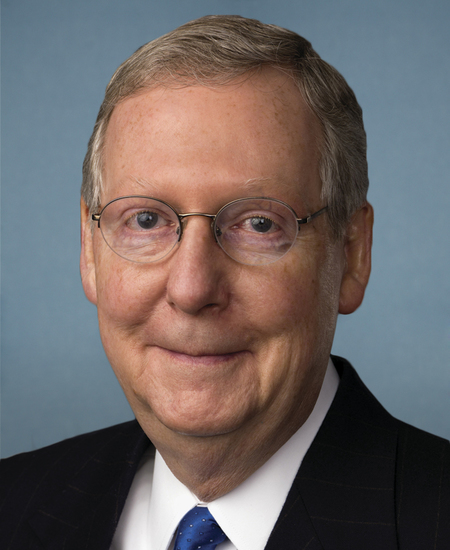
Mitch McConnell
Senate
|
R |
Strong +
|
91% | 22 |

Bill Cassidy
Senate
|
R |
Strong +
|
90% | 21 |
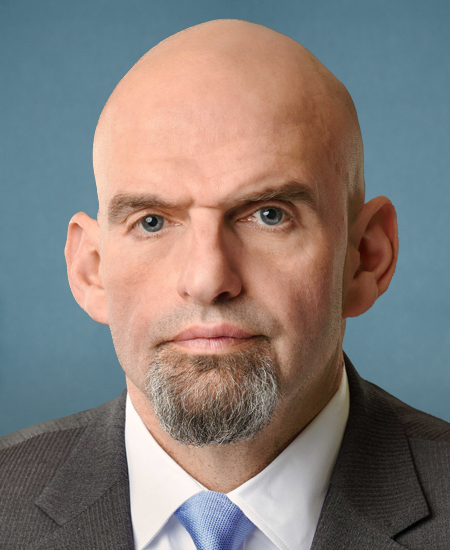
John Fetterman
Senate
|
D |
Strong +
|
87% | 30 |
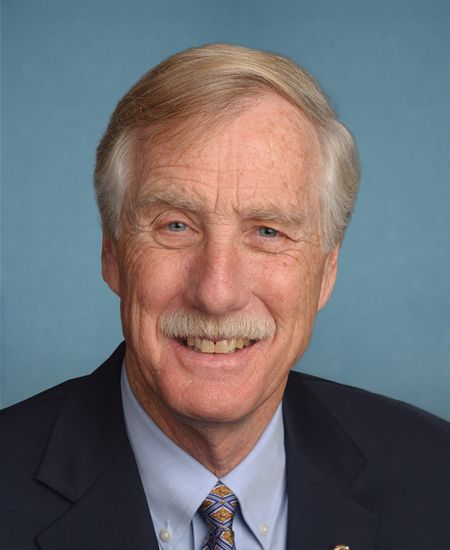
Angus S. King, Jr.
Senate
|
I |
Strong +
|
84% | 32 |
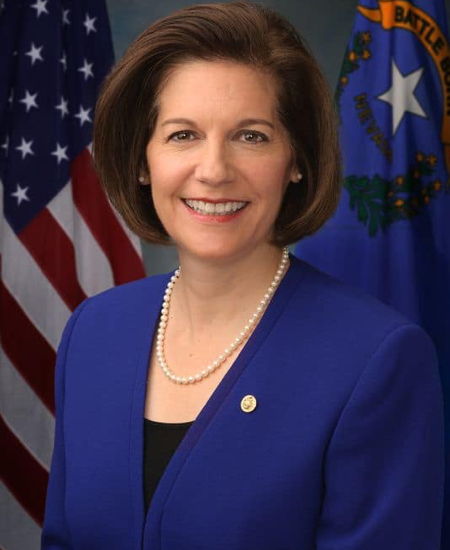
Catherine Cortez Masto
Senate
|
D |
Strong +
|
84% | 32 |
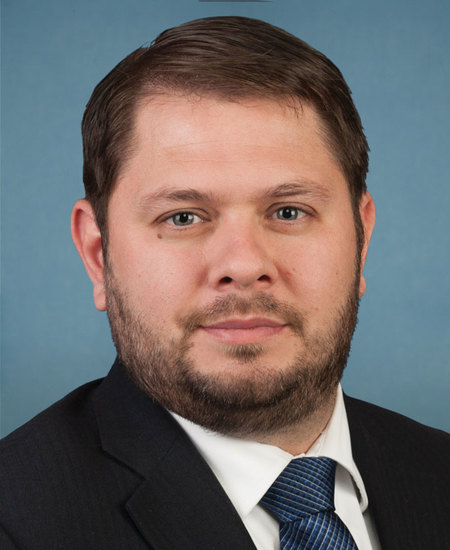
Ruben Gallego
Senate
|
D |
Strong −
|
8% | 24 |

Peter Welch
Senate
|
D |
Strong −
|
9% | 23 |

Rand Paul
Senate
|
R |
Strong −
|
12% | 32 |

Tammy Duckworth
Senate
|
D |
Strong −
|
17% | 23 |

Christopher Murphy
Senate
|
D |
Strong −
|
19% | 32 |
Showing 341–350 of 641
bills
All veterans bills
HR 6454: VA Zero Suicide Demonstration Project Act of 2025
Topics
✓ HealthcareSupports HealthcareEstablishes VA mental health training program to improve suicide care for veterans, directly supporting mental health services through staff training and standardized care protocols.
✓ VeteransSupports VeteransBill establishes a pilot program to improve veteran suicide care through staff training and reporting, directly enhancing healthcare services.
HR 5992: Stuck On Hold Act
Topics
✓ HealthcareSupports HealthcareBill improves VA healthcare access by reducing wait times for veterans calling customer service, enhancing patient access to health services.
✓ VeteransSupports VeteransRequires VA to reduce call wait times, improving veterans' access to services and enhancing VA customer support responsiveness.
S 585: Servicemember to Veteran Health Care Connection Act of 2025
Topics
✓ HealthcareSupports HealthcareAutomates VA healthcare enrollment for transitioning veterans, improving access to services without restrictions or defunding.
✓ TechnologySupports TechnologyBill mandates automated pre-registration system and requires VA to use email, mail, or phone for outreach, advancing digital health care enrollment technology for service members transitioning to veterans.
✓ VeteransSupports VeteransAutomates VA enrollment for transitioning veterans, simplifies healthcare access, and mandates proactive outreach - directly advancing veteran health care services.
HR 7091: Expanding Veterans’ Access to Emerging Treatments Act
Topics
✓ HealthcareSupports HealthcareCreates VA research program for clinical trials and compassionate access to emerging treatments (ketamine, psilocybin) for veterans with PTSD, chronic pain, and substance use disorders, expanding healthcare access.
✓ VeteransSupports VeteransEstablishes VA research program for emerging treatments (ketamine, psilocybin) for PTSD/chro pain/substance use, expanding access to healthcare options
HR 1685: Justice for ALS Veterans Act of 2025
S 2393: Fiscal Year 2025 Veterans Affairs Major Medical Facility Authorization Act
Topics
✓ Budget & TaxesSupports Budget & TaxesAuthorizes $1.76B for VA facility construction, directly funding government healthcare infrastructure under fiscal appropriations.
✓ HealthcareSupports HealthcareFunds $1.76B for VA medical facility infrastructure, directly advancing veterans' healthcare access and services through physical upgrades.
✓ VeteransSupports VeteransBill authorizes $1.76B for new VA medical facility construction in St. Louis, directly funding infrastructure to improve veterans' healthcare services.
Sub-Topics
Veteran Healthcare
HR 3767: Health Professionals Scholarship Program Improvement Act of 2025
Topics
✓ HealthcareSupports HealthcareGuarantees VA employment for health professionals at high-need facilities with competitive pay, improving workforce access to care and strengthening healthcare delivery systems.
✓ Labor & EmploymentSupports Labor & EmploymentGuarantees VA employment contracts with competitive salaries/benefits for health professionals, advancing employment standards and worker protections.
✓ VeteransSupports VeteransGuarantees VA clinical employment for scholarship participants at high-need facilities, ensuring healthcare access and competitive benefits for veterans.
S 385: Fairness for Servicemembers and their Families Act of 2025
HR 6000: Veterans’ Sentinel Act
Topics
✓ HealthcareSupports HealthcareMandates improved data collection and prevention strategies for veteran suicides, directly strengthening mental health services within VA healthcare system.
✓ VeteransSupports VeteransBill mandates VA to improve suicide data collection and prevention strategies on VA property, directly enhancing veterans' healthcare safety and access to critical mental health services.