Issue · Veterans

Veterans (Veteran Healthcare)

Every veterans bill, vote, and legislator stance in United States, automatically classified by Maddy, our AI policy reader.

Total bills
641
119th Congress
Top supporter
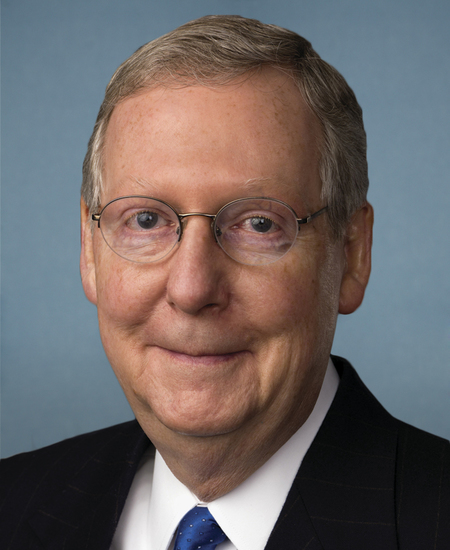
Mitch McConnell
91% support rate
Top opponent
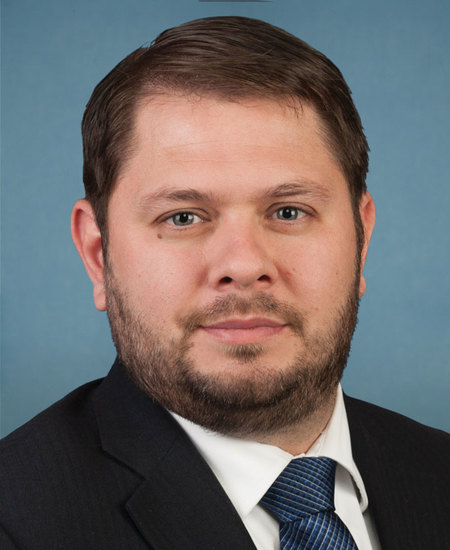
Ruben Gallego
8% support rate
Ranked legislators
10
5 support · 5 oppose
Key legislators

Who's moving veteran healthcare in United States

Legislators moving veteran healthcare in United States
Legislator Party Stance Support rate Decisive votes
Mitch McConnell
Mitch McConnell Senate
R
Strong +
91% 22
Bill Cassidy
Bill Cassidy Senate
R
Strong +
90% 21
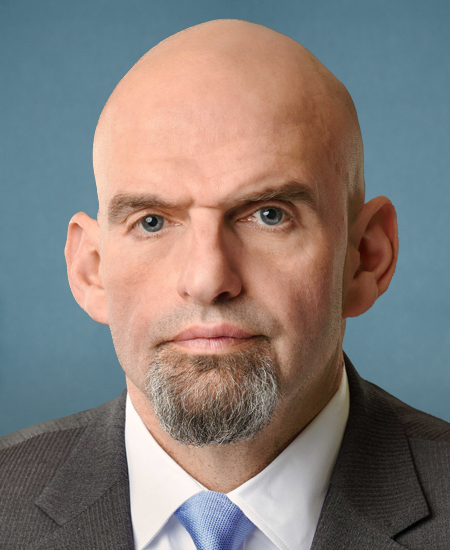
John Fetterman
John Fetterman Senate
D
Strong +
87% 30
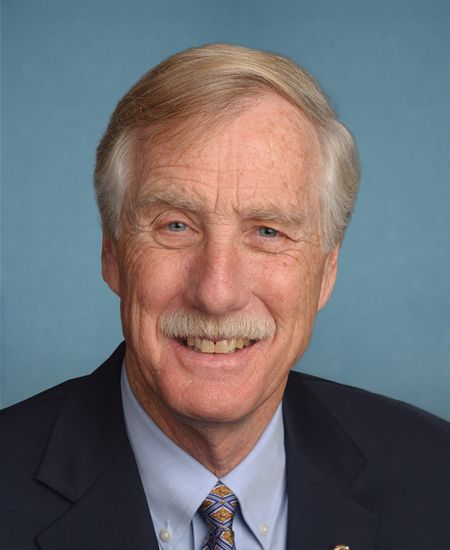
Angus S. King, Jr.
Angus S. King, Jr. Senate
I
Strong +
84% 32
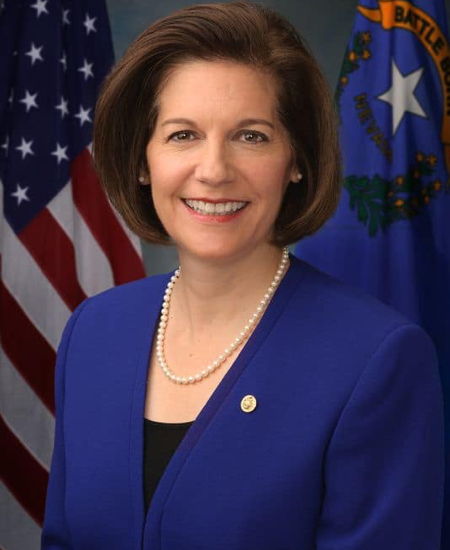
Catherine Cortez Masto
Catherine Cortez Masto Senate
D
Strong +
84% 32
Ruben Gallego
Ruben Gallego Senate
D
Strong −
8% 24
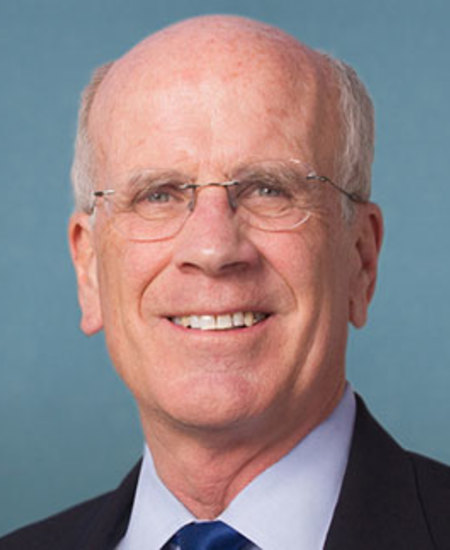
Peter Welch
Peter Welch Senate
D
Strong −
9% 23
Rand Paul
Rand Paul Senate
R
Strong −
12% 32
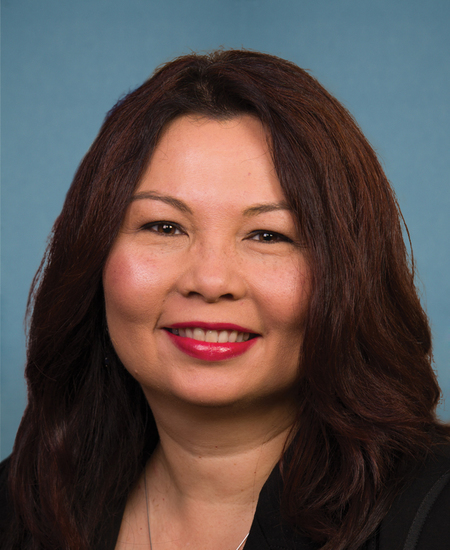
Tammy Duckworth
Tammy Duckworth Senate
D
Strong −
17% 23
Christopher Murphy
Christopher Murphy Senate
D
Strong −
19% 32
Showing 321–330 of 641 bills

All veterans bills

in committee · United States · House Mar 26, 2026

HR 6943: Veterans Burial Allowance and Reimbursement Act of 2026

HR 6943 standardizes burial benefits for veterans by updating eligibility rules under existing law. It changes the requirement for burial allowances to apply only to veterans who died from service-connected disabilities, removing the previous exclusion for those covered by other benefit provisions. The bill repeals Section 2307 of Title 38 (which previously governed a separate burial benefit program) and makes technical adjustments to related sections to align the rules. This directly affects veterans' families seeking burial allowances, simplifying access to benefits for those whose death was related to military service.
in committee · United States · House Jan 5, 2026

HR 6376: Supporting Military Families Exposed to Toxic Substances Act

This bill expands VA healthcare access to military family members (including those in utero) who lived or worked at military locations where veterans have a presumption of service-connected illness due to toxic exposure (e.g., Camp Lejeune). It requires the VA to provide hospital care and medical services for covered illnesses if families demonstrate exposure to the same toxins qualifying veterans for benefits. Key limitations include requiring exhausted third-party payment claims (like insurance) before VA coverage, and restricting care to illnesses with VA-established presumptions. The VA must report annually on utilization, denials, and pending applications starting in 2027. This directly affects military families residing at contaminated bases, not veterans themselves.
signed · United States · House Jan 20, 2026

HR 4446: FAST VETS Act

The FAST VETS Act (HR 4446) modifies how the Department of Veterans Affairs (VA) updates vocational rehabilitation plans for veterans. It requires the VA to rework a veteran’s individualized plan only if two conditions are met: (1) the veteran’s job-related challenges have changed, making the original goals unachievable, and (2) a new plan would better achieve their long-term employment goals. Veterans currently enrolled in VA vocational rehabilitation programs are directly affected, as this change limits automatic plan revisions to cases where specific, documented shifts in their circumstances occur. The law does not alter eligibility or funding but refines the process for adapting plans to evolving veteran needs.
in committee · United States · House Apr 4, 2025

HR 2264: Service-Connected Suicide Compensation Act

This bill automatically provides dependency and indemnity compensation to survivors of veterans who died by suicide and had a service-connected mental disorder. It directly affects surviving spouses, children, and parents of these veterans. The key change requires the Veterans Affairs Secretary to pay compensation without needing additional proof that the suicide was directly linked to the mental disorder, as long as the veteran had a service-connected mental health condition. This streamlines the process for families who previously faced complex claims.
signed · United States · House Jan 20, 2026

HR 224: Disabled Veterans Housing Support Act

HR 224, the Disabled Veterans Housing Support Act, modifies how income is calculated for housing assistance programs by requiring that veterans' service-connected disability compensation (from the VA) be excluded when determining eligibility for low/moderate income housing. This directly affects disabled veterans who receive VA disability payments, ensuring these funds do not count against them for housing assistance under HUD programs. The bill amends the Housing and Community Development Act of 1974 to mandate this exclusion in income calculations. Additionally, it requires a report within one year examining how disability compensation is treated across HUD programs and recommending improvements to better serve veterans.
in committee · United States · House Nov 20, 2025

HR 6033: STRIVE Act of 2025

The STRIVE Act of 2025 requires the Government Accountability Office (GAO) to analyze racial, ethnic, and gender disparities in military discharge reviews and VA disability benefit approvals within 180 days of enactment. It mandates the VA Secretary to submit a report within 365 days identifying causes of disparities - such as Black veterans being 14% less likely to receive benefits than White veterans - and create a three-year action plan to address them. The bill directly affects Black, non-Hispanic veterans (who face the lowest benefit approval rates), female veterans (who apply less frequently), and the VA’s disability claims process. Key provisions include public reporting of data on discharge reviews and benefit denials, with annual updates on progress. The law aims to improve transparency and equity in VA benefits without altering eligibility criteria.
in committee · United States · House May 14, 2026

HR 5723: Fraud Reduction And Uncovering Deception (FRAUD) in VA Disability Exams Act

The Fraud Reduction And Uncovering Deception (FRAUD) in VA Disability Exams Act requires the Department of Veterans Affairs (VA) to establish a system for detecting and reporting fraud in disability benefit forms. This includes training VA staff to identify suspicious activity, conducting regular audits of all submitted forms, and reporting suspected fraud to the Inspector General. The VA must notify veterans if their submitted forms are under suspicion for fraud, though it cannot change final benefit decisions based on an investigation unless the veteran is convicted of fraud. The VA must also submit an annual report to Congress detailing how this system is implemented. These changes aim to strengthen fraud prevention in veterans' disability claims processing.
passed · United States · House Jul 16, 2026

HR 6963: To designate the community-based outpatient clinic of the Department of Veterans Affairs in Lafayette, Louisiana, as the "Rodney C. Hamilton Sr. VA Clinic".

This bill (HR 6963) names the Department of Veterans Affairs community-based outpatient clinic in Lafayette, Louisiana, as the "Rodney C. Hamilton Sr. VA Clinic." It honors Rodney C. Hamilton Sr., a Korean War veteran who received the Purple Heart, served on Lafayette's city council, and helped establish the clinic that opened in 2016. The bill changes the clinic's official name to recognize his contributions to veterans' care and community service. This is a ceremonial designation with no impact on clinic operations or services.
in committee · United States · House Jun 30, 2026

HR 4805: WINGS Act

The WINGS Act directs the Department of Veterans Affairs to conduct a long-term study on the brain and mental health impacts of military aviation, specifically focusing on high-performance flight and G-force exposure. It requires examining links between flight hours, G-forces, and conditions like traumatic brain injury, depression, PTSD, and neurodegenerative diseases among military aviators. The bill mandates creating a centralized, anonymized health registry for participating aviators to track flight exposure and health outcomes over time. This study must produce interim and final reports to Congress within one and three years of enactment, directly affecting current and former military pilots and aircrew who operated aircraft like fighter jets, trainers, or tiltrotors.
passed · United States · House Sep 16, 2025

HR 3854: Modernizing All Veterans and Survivors

HR 3854 requires the Department of Veterans Affairs (VA) to develop and implement automation tools to modernize claims processing for veterans and survivors. The bill mandates that within 180 days of enactment, the VA must submit a plan to use technology that automates retrieving service/health records, compiling evidence, providing decision support, sharing information between agencies, and generating claim correspondence. It prioritizes deploying this technology to key VA offices like Pension and Fiduciary Service, Education Service, and the Board of Veterans’ Appeals within one year. The bill also requires the VA to implement automatic notices for certain children’s benefits (like dependency compensation increases) within one year and a plan to ensure correct document labeling in VA systems within 180 days. These changes directly affect veterans and survivors filing claims for benefits, pension, survivor benefits, or education assistance under VA-administered laws.
Showing 321 to 330 of 641 bills
Previous 1 … 32 33 34 … 65 Next