Issue · Veterans

Veterans (Veteran Benefits)

Every veterans bill, vote, and legislator stance in United States, automatically classified by Maddy, our AI policy reader.

Total bills
439
119th Congress
Top supporter
Jefferson Van Drew
100% support rate
Top opponent
Jerrold Nadler
0% support rate
Ranked legislators
10
5 support · 5 oppose
Key legislators

Who's moving veteran benefits in United States

Legislators moving veteran benefits in United States
Legislator Party Stance Support rate Decisive votes
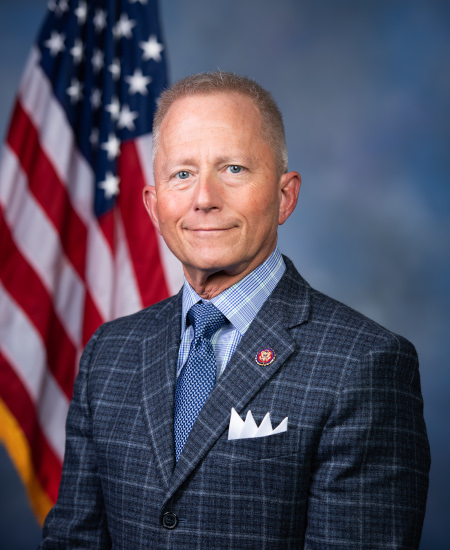
Jefferson Van Drew
Jefferson Van Drew House · District 2
R
Strong +
100% 4
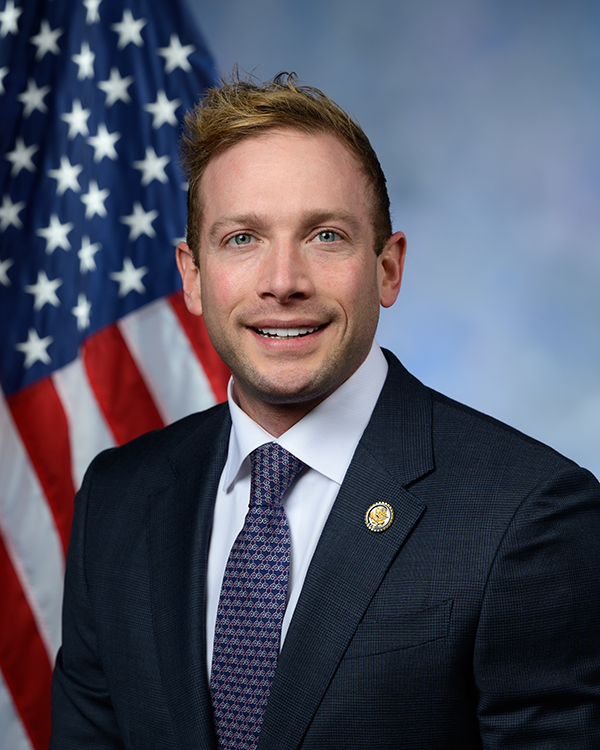
Max L. Miller
Max L. Miller House · District 7
R
Strong +
100% 4
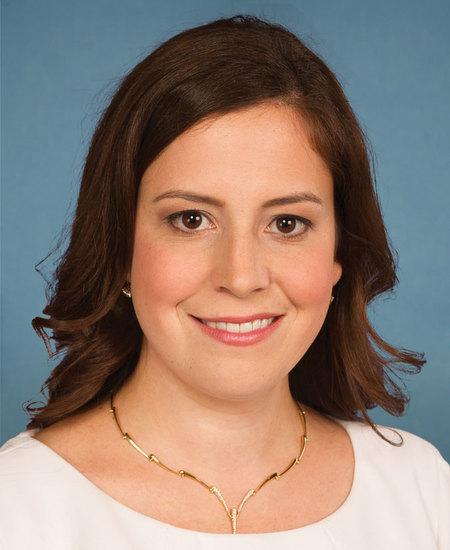
Elise M. Stefanik
Elise M. Stefanik House · District 21
R
Strong +
100% 3
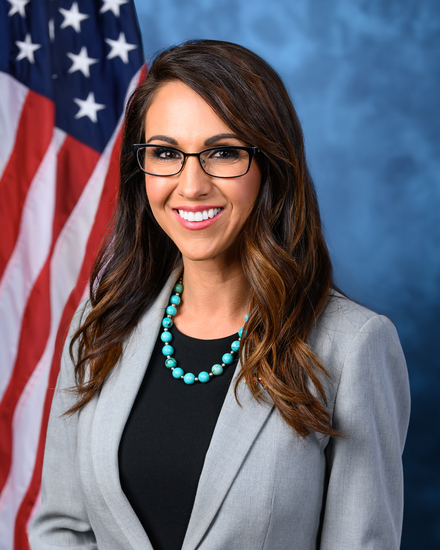
Lauren Boebert
Lauren Boebert House · District 4
R
Strong +
100% 3
Wesley Hunt
Wesley Hunt House · District 38
R
Strong +
100% 3
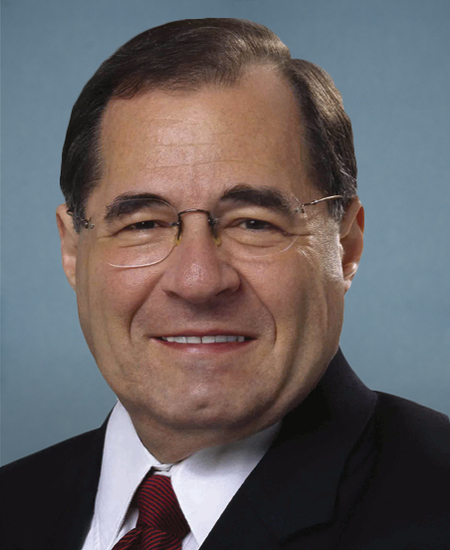
Jerrold Nadler
Jerrold Nadler House · District 12
D
Strong −
0% 3
Mike Quigley
Mike Quigley House · District 5
D
Strong −
0% 3
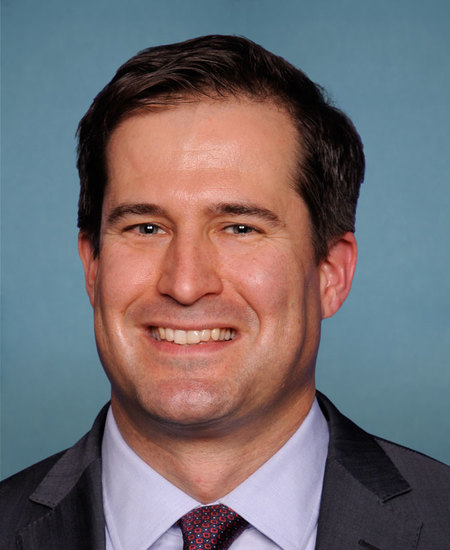
Seth Moulton
Seth Moulton House · District 6
D
Strong −
0% 3
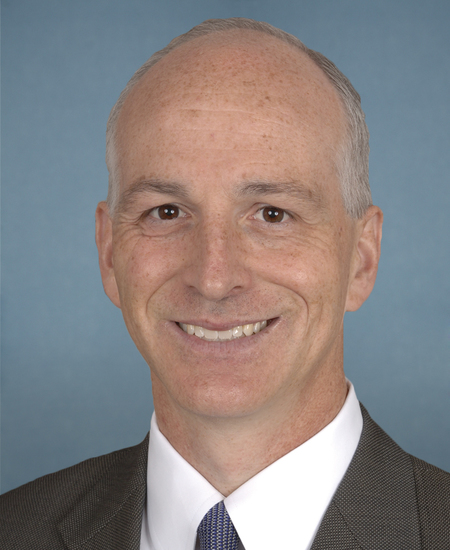
Adam Smith
Adam Smith House · District 9
D
Oppose
25% 4
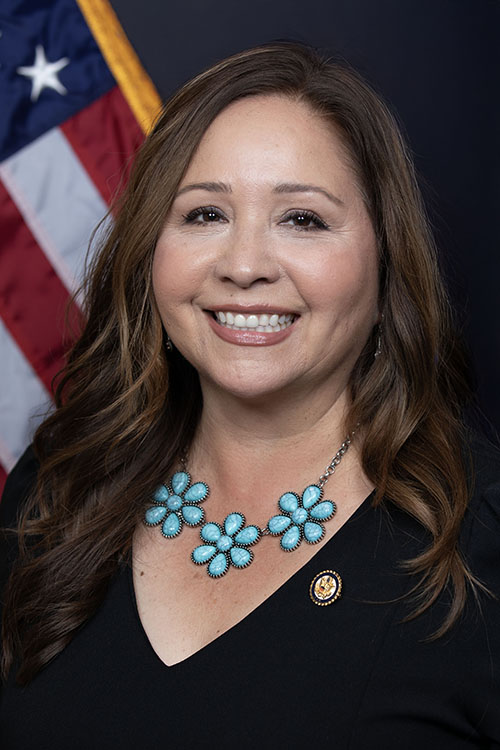
Adelita S. Grijalva
Adelita S. Grijalva House · District 7
D
Oppose
25% 4
Showing 311–320 of 439 bills

All veterans bills

in committee · United States · House Jun 4, 2025

HR 3710: Loved Ones Interment Act

HR 3710, the Loved Ones Interment Act, amends veterans' benefits law to allow the Department of Veterans Affairs (VA) to provide headstones or markers for cremated veterans buried alongside other eligible veterans. It directly affects cremated veterans interred at the same burial site as another veteran eligible for VA headstones under Section 2402(a). The bill adds three key conditions: the VA must include both veterans' names on the marker, the marker must not exceed existing cost limits, and the burial site must contain another eligible veteran. This change ensures cremated veterans buried with other eligible veterans can receive a shared headstone or marker without increasing costs.
in committee · United States · House Jun 11, 2025

HR 3619: Patriots Over Politics Act

The Patriots Over Politics Act (HR 3619) allows veterans discharged between August 2021 and January 2023 solely for refusing a COVID-19 vaccine to transfer their earned educational benefits to eligible dependents. Veterans must initiate the transfer within 90 days of the bill’s enactment. Dependents can use the transferred benefits only after the veteran completed at least six years of military service - a requirement already met by these veterans prior to separation. This provision directly affects veterans separated for vaccine refusal during the specified period, providing a pathway to pass on unused education benefits.
in committee · United States · House Feb 3, 2025

HR 136: Veteran Overmedication and Suicide Prevention Act of 2025

This bill requires the Department of Veterans Affairs (VA) to commission an independent review by the National Academies of Sciences, Engineering, and Medicine into the suicides and violent/accidental deaths of veterans treated by the VA during a five-year period ending in 2025. The review will analyze medication use (including drugs with serious safety warnings), treatment approaches for conditions like PTSD, mental health staffing levels, and data-sharing practices across VA facilities and state programs. It mandates a detailed report on findings, including patterns in overprescribing, effectiveness of non-medication treatments, and facility-specific prescription rates, to be submitted to Congress and made public within 30 days of completion. The bill directly affects veterans who died by suicide or violent/accidental death while receiving VA care during the specified period.
in committee · United States · House May 14, 2026

HR 6444: Blast Overpressure Research and Mitigation Task Force Act

HR 6444 establishes a VA-DoD task force to improve care for veterans and active-duty service members diagnosed with blast-related injuries like traumatic brain injury (TBI) or PTSD. The task force will coordinate research on specific issues (e.g., sleep therapy, gut health, brain inflammation), develop clinical baselines, and create guidelines for evaluating disability claims related to blast exposure. It must report annually to Congress on research progress and claim evaluation recommendations, and will expire on September 30, 2029. The bill directly affects veterans and service members with blast exposure symptoms by focusing research and care coordination on their specific health needs.
in committee · United States · House Dec 9, 2025

HR 6203: United States Cadet Nurse Corps Service Recognition Act of 2025

This bill recognizes the service of individuals who were members of the U.S. Cadet Nurse Corps between July 1, 1943, and December 31, 1948, by treating that service as active duty for specific burial-related benefits. It requires the Secretary of Defense to issue an honorable discharge to eligible individuals within one year of the bill's enactment, designating their discharge date. The bill allows for commemorative items like service medals or plaques but clarifies that recipients will not receive most VA benefits (only headstones/markers under specific chapters of law). It directly affects living cadet nurses from that era and their families for burial purposes.
in committee · United States · House Dec 19, 2025

HR 4855: Veteran Families Health Services Act of 2025

The Veteran Families Health Services Act of 2025 expands reproductive health services for military members and veterans. It requires the Department of Defense to provide fertility preservation services, including cryopreservation of reproductive genetic material before deployment or hazardous assignments for active duty service members. The bill also mandates the Department of Veterans Affairs to provide fertility treatment, counseling, and adoption assistance to veterans and their partners without regard to sex, gender identity, or sexual orientation. The law establishes coordination between military and VA health services to ensure continuity of care during the transition from active duty to veteran status. It includes provisions allowing veterans to maintain control over stored genetic material and make decisions about its use.
passed · United States · House Feb 3, 2026

HR 3123: Ernest Peltz Accrued Veterans Benefits Act

This bill ensures that unpaid veterans' pension benefits due at the time of a veteran's death are paid to surviving family members in a specific order: first the spouse, then children equally, then dependent parents equally, and finally the estate (unless it would otherwise go to the state). It applies to veterans approved for pension benefits before death but whose payments are issued after death. Family members must apply within one year of the veteran's death to claim the benefits; otherwise, the unpaid amount goes to the estate. The law directly affects surviving spouses, children, and dependent parents of veterans who qualify for pension benefits.
in committee · United States · Senate Mar 25, 2025

S 1108: Tax Cuts for Veterans Act of 2025

S 1108, the Tax Cuts for Veterans Act of 2025, excludes specific military retirement and disability benefits from taxable income for veterans. It directly affects veterans receiving retirement pay under Titles 10 or 14 U.S. Code, or disability-related payments under Titles 10, 14, 37, or 38 U.S. Code. The bill amends the Internal Revenue Code to remove these benefits from gross income calculations, effectively reducing taxable income for qualifying veterans. This policy change applies to taxable years beginning after the bill's enactment, providing immediate tax relief for affected veterans.
in committee · United States · House Dec 19, 2025

HR 4886: Larry Barrett Veterans’ Memory Care Act of 2025

This bill creates new rules for veterans needing memory care services under the Veterans Community Care Program. It requires the VA to honor veterans' preferences about where, when, and how they receive care, and to assess if they need a caregiver, for three years after enactment. Veterans living more than an hour from approved providers can get faster approval (within 30 days) for care with non-network providers, with in-home care provided during the approval wait. It also ensures veterans already receiving care under these new rules can continue until their care episode ends, regardless of the three-year timeframe.
in committee · United States · House Feb 13, 2025

HR 1298: Veterans Jobs Opportunity Act

The Veterans Jobs Opportunity Act creates a tax credit for veterans or their spouses starting small businesses in underserved communities. It allows eligible businesses to claim a 15% credit on up to $50,000 of qualifying start-up costs (like equipment or lease payments) during their first two years of operation. To qualify, the business must be owned and controlled by a veteran or spouse, located in an underserved area (such as a HUBZone or persistent poverty county), and meet small business size limits (under $5 million in annual revenue or 50 employees). The credit is claimed as part of the general business credit, requires taxpayer election, and the Treasury must evaluate its effectiveness every four years.
Showing 311 to 320 of 439 bills
Previous 1 … 31 32 33 … 44 Next