Issue · Veterans

Veterans

Every veterans bill, vote, and legislator stance in United States, automatically classified by Maddy, our AI policy reader.

Total bills
1,164
119th Congress
Top supporter
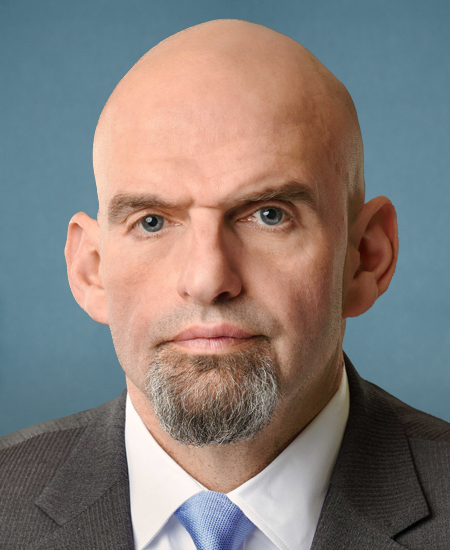
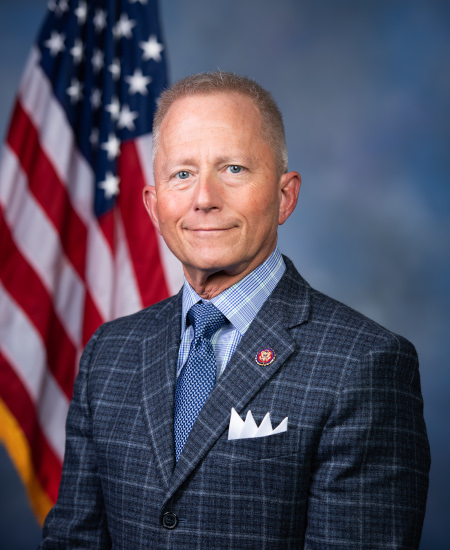
John Fetterman
88% support rate
Top opponent
Rand Paul
12% support rate
Ranked legislators
10
5 support · 5 oppose
Key legislators

Who's moving veterans in United States

Legislators moving veterans in United States
Legislator Party Stance Support rate Decisive votes
John Fetterman
John Fetterman Senate
D
Strong +
88% 40
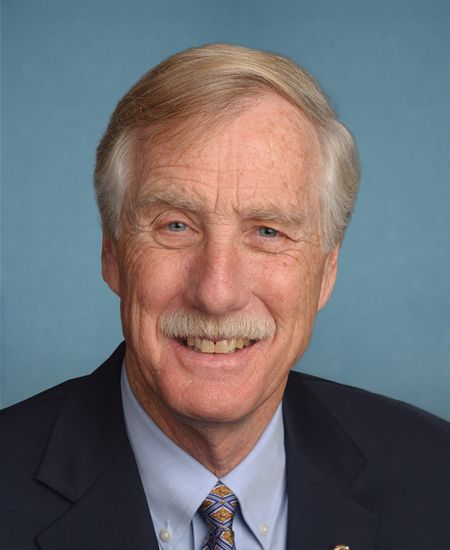
Angus S. King, Jr.
Angus S. King, Jr. Senate
I
Strong +
83% 42
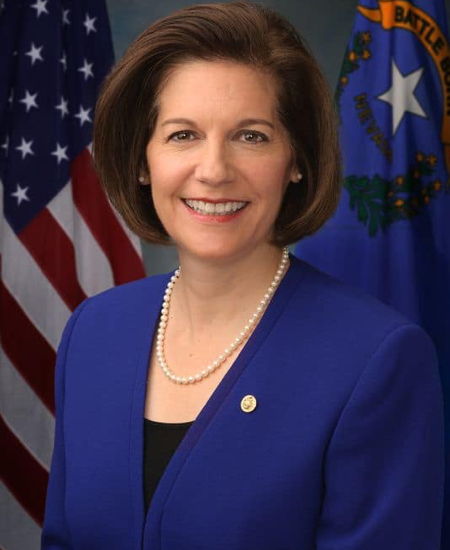
Catherine Cortez Masto
Catherine Cortez Masto Senate
D
Strong +
83% 42
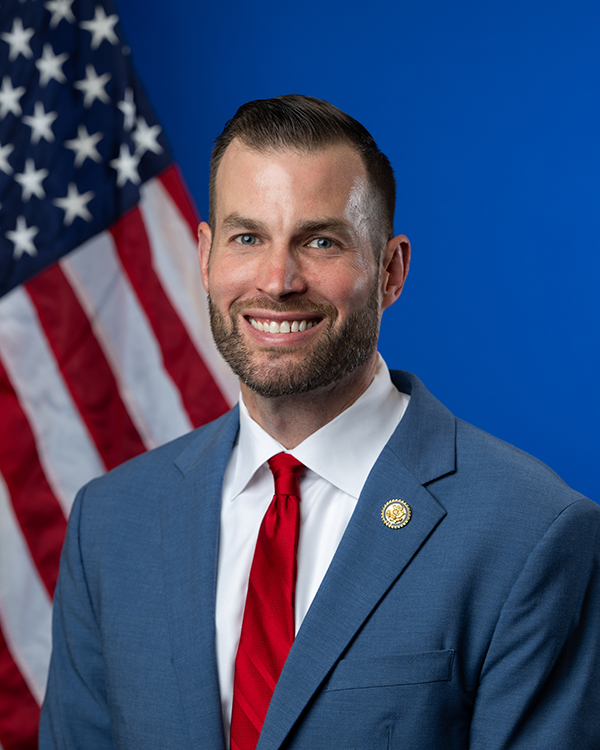
Clay Fuller
Clay Fuller House · District 14
R
Strong +
80% 10
Jefferson Van Drew
Jefferson Van Drew House · District 2
R
Support
76% 17
Rand Paul
Rand Paul Senate
R
Strong −
12% 42
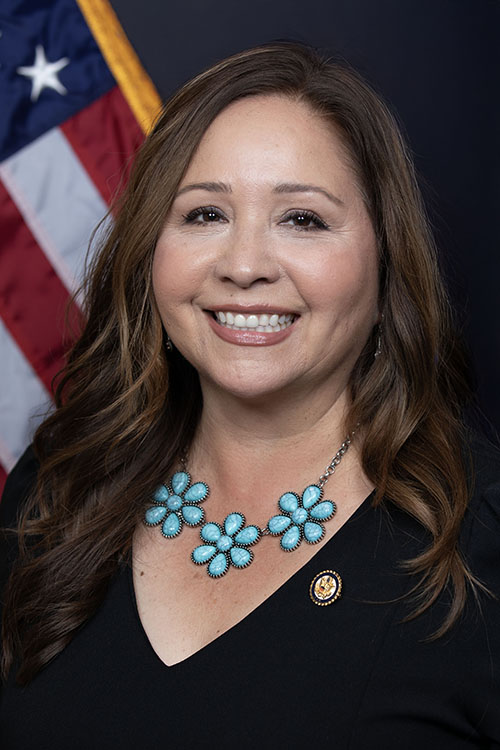
Adelita S. Grijalva
Adelita S. Grijalva House · District 7
D
Strong −
18% 11
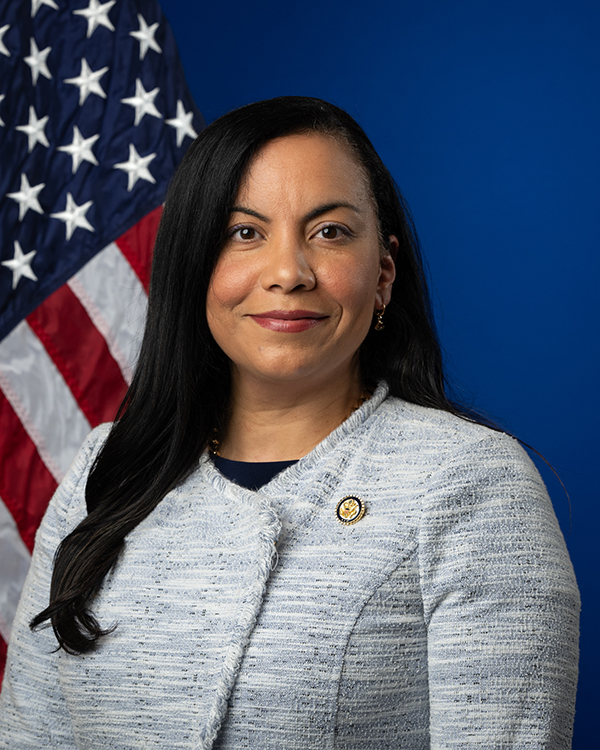
Analilia Mejia
Analilia Mejia House · District 11
D
Strong −
20% 10
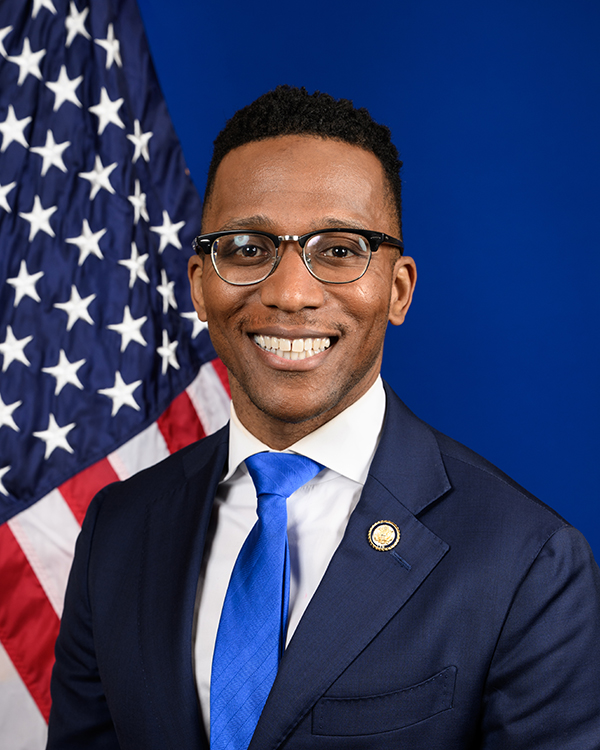
Christian D. Menefee
Christian D. Menefee House · District 18
D
Strong −
20% 10
André Carson
André Carson House · District 7
D
Oppose
25% 16
Showing 291–300 of 1,164 bills

All veterans bills

in committee · United States · House Apr 27, 2026

HR 8211: Army Security Agency Monument Act

This bill authorizes the placement of a monument at Arlington National Cemetery to honor veterans of the Army Security Agency who served between 1945 and 1976. The monument will be designed with approval from the Secretary of the Army and the National Army Security Agency Association, and the association will be responsible for funding the site preparation, construction, and ongoing maintenance. If no suitable space exists within the cemetery, the monument may be placed outside the entrance instead. The legislation defines the covered service periods using existing legal definitions for World War II, the Korean conflict, and the Vietnam era.
in committee · United States · Senate Mar 18, 2026

S 4137: RECOVER Act

This bill, known as the RECOVER Act, directs the Department of Veterans Affairs to launch a three-year pilot program that awards grants to non-profit outpatient mental health facilities. The program aims to improve access to culturally competent, evidence-based mental health care for veterans by funding existing facilities or supporting the creation of new ones. To qualify, facilities must demonstrate at least three years of operation, submit detailed applications, and commit to training clinicians in culturally competent care. The legislation includes specific funding limits, requires equitable distribution between rural and urban areas, and mandates a final report to Congress detailing program outcomes and veteran demographics.
in committee · United States · House Jan 28, 2025

HR 810: Personalized Care Act of 2025

HR 810, the Personalized Care Act of 2025, expands Health Savings Account (HSA) eligibility and benefits. It broadens who qualifies for HSAs to include individuals covered by more health plans (like Medicaid, Medicare, TRICARE) and health care sharing ministries (section 2). The bill also increases annual HSA contribution limits (to $10,800 for individuals and $29,500 for families) and reduces penalties for non-qualified distributions (section 3, section 7). Additionally, it allows periodic fees paid to physicians for defined medical services and health care sharing ministry fees to be treated as deductible medical expenses (sections 5, 8-9). These changes apply to taxable years beginning after December 31, 2024.
in committee · United States · Senate Apr 29, 2026

S 4043: Health Care for Homeless Veterans Act

This bill makes permanent the authority of the Secretary of Veterans Affairs to provide treatment and rehabilitation services to seriously mentally ill and homeless veterans. It amends the United States Code by removing a temporary expiration clause that previously limited this program. The legislation directly affects veterans who face both mental health challenges and homelessness, ensuring they can continue receiving support without interruption. By codifying this authority into law, the bill removes the need for periodic renewal of the program.
in committee · United States · Senate Apr 29, 2026

S 3993: Reducing Arbitrary Barriers to Apprenticeship Act of 2026

This bill, known as the Reducing Arbitrary Barriers to Apprenticeship Act of 2026, changes how veterans receive educational assistance when they choose apprenticeships or on-the-job training instead of traditional four-year college programs. It directly affects veterans eligible for Post-9/11 GI Bill benefits, the All-Volunteer Force Educational Assistance Program, and Selected Reserve educational benefits. The bill increases monthly housing stipends for apprenticeship participants and removes minimum attendance requirements for those working in construction-related occupations. These changes aim to make non-college training pathways more financially viable for veterans seeking to build careers through hands-on experience.
in committee · United States · House Mar 5, 2026

HR 7838: Veteran Artists Healing Act

This bill, known as the Veteran Artists Healing Act, would allow VA medical centers to directly purchase original artwork from veterans who are current patients. The program enables medical center heads to buy art without needing higher-level approval, provided the work is non-partisan and focuses on themes like recovery, nature, or service. Veterans must either have a clinical recommendation for creative arts therapy or a history of participating in the National Veterans Creative Arts Festival to qualify. Each medical center can spend up to $2,500 per fiscal year on artwork from a single veteran, and the purchases would count toward small business contracting goals.
in committee · United States · House Mar 12, 2026

HR 7908: 20-Year Promise Act

This bill, known as the 20-Year Promise Act, would extend educational assistance benefits for U.S. military service members who complete at least 20 years of active service. Under current law, veterans typically receive up to 36 months of education funding, but this legislation would increase that limit to 72 months for those who meet the 20-year service requirement. The change applies to individuals who complete their 20 years of service on or after the bill is enacted, regardless of when they joined the military or their specific duty status. The bill modifies Title 38 of the U.S. Code to establish these new eligibility rules and adjust related provisions governing how education benefits are transferred and limited.
signed · United States · House Dec 12, 2025

HR 1912: Veteran Fraud Reimbursement Act of 2025

Veteran Fraud Reimbursement Act of 2025 This act modifies the procedures by which the Department of Veterans Affairs (VA) reissues misused benefits to a beneficiary, including by requiring the VA to establish methods and timing with respect to determining whether an instance of misuse by a fiduciary is the result of negligence by the VA. The act also provides that if a beneficiary predeceases a reissuance, the VA must pay the amount to a surviving beneficiary in the same method as certain other VA benefits are paid upon the death of a beneficiary. Under the act, the VA may not withhold the reissuing of a benefit payment by reason of a pending determination regarding the VA's negligence in relation to the instance of misuse by a fiduciary. Additionally, the VA is not required to make a determination regarding its negligence for each instance of misuse by a fiduciary of all or part of an individual's benefit paid to such fiduciary.
in committee · United States · Senate Mar 26, 2026

SRES 662: A resolution honoring the life and service of United States Marine Corps veteran Nicholas Douglas Quets, expressing condolences to his family, and condemning cartel violence.

This resolution honors the life and service of United States Marine Corps veteran Nicholas Douglas Quets and expresses condolences to his family following his death. It acknowledges that Quets was killed in October 2024 when he was shot by armed criminals associated with the Sinaloa Cartel while driving in Sonora, Mexico. The bill condemns cartel violence and recognizes the broader threat these criminal organizations pose to regional stability and the safety of American citizens traveling abroad. It reaffirms the Senate's commitment to pursuing justice against transnational criminal organizations that endanger lives and undermine the rule of law.
in committee · United States · Senate Mar 18, 2026

S 4131: Veteran Access to Neurosurgery Act of 2026

This bill would require the Department of Veterans Affairs to run a five-year pilot program allowing certain neurosurgeons to negotiate higher payment rates for specialized surgical services provided to veterans through the Veterans Community Care Program. The program would focus on rural and highly rural areas where veterans currently face long wait times or must travel over 100 miles to access neurosurgery, permitting rate adjustments only when existing VA rates are insufficient to cover service costs. Under the bill, the VA must establish rules within 180 days of enactment and conduct annual reviews to ensure the program operates efficiently and effectively. The Secretary of Veterans Affairs would submit annual reports to Congress detailing the number of patients served, types of services provided, costs incurred, and health outcomes to evaluate whether the pilot should be extended or made permanent.
Showing 291 to 300 of 1,164 bills
Previous 1 … 29 30 31 … 117 Next