Issue · Veterans

Veterans (Military Families)

Every veterans bill, vote, and legislator stance in United States, automatically classified by Maddy, our AI policy reader.

Total bills
111
119th Congress
Top supporter
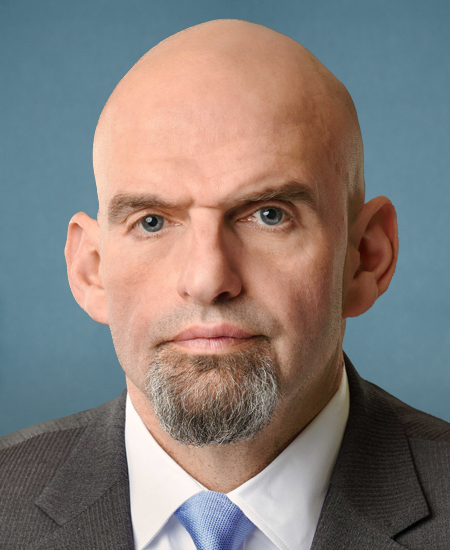
John Fetterman
100% support rate
Top opponent
Rand Paul
0% support rate
Ranked legislators
10
5 support · 5 oppose
Key legislators

Who's moving military families in United States

Legislators moving military families in United States
Legislator Party Stance Support rate Decisive votes
John Fetterman
John Fetterman Senate
D
Strong +
100% 22
Jared F. Golden
Jared F. Golden House · District 2
D
Strong +
100% 3
Angus S. King, Jr.
Angus S. King, Jr. Senate
I
Strong +
96% 24
Catherine Cortez Masto
Catherine Cortez Masto Senate
D
Strong +
96% 24
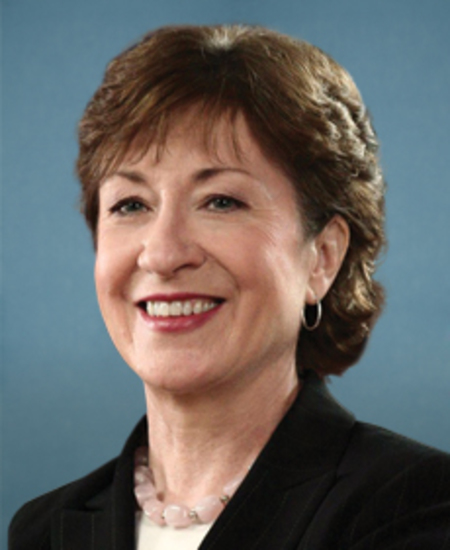
Susan M. Collins
Susan M. Collins Senate
R
Strong +
92% 24
Rand Paul
Rand Paul Senate
R
Strong −
0% 24
Thomas Massie
Thomas Massie House · District 4
R
Strong −
0% 3
Amy Klobuchar
Amy Klobuchar Senate
D
Strong −
12% 24
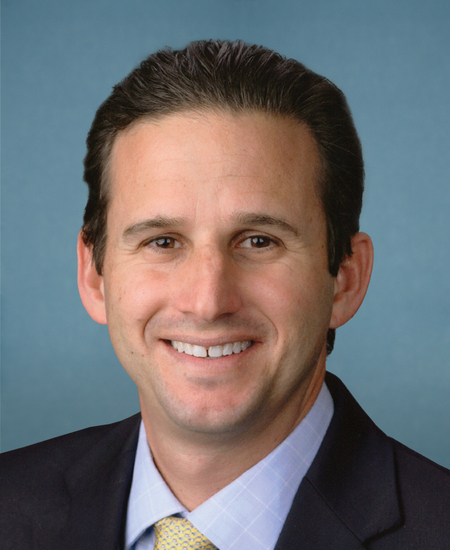
Brian Schatz
Brian Schatz Senate
D
Strong −
12% 24
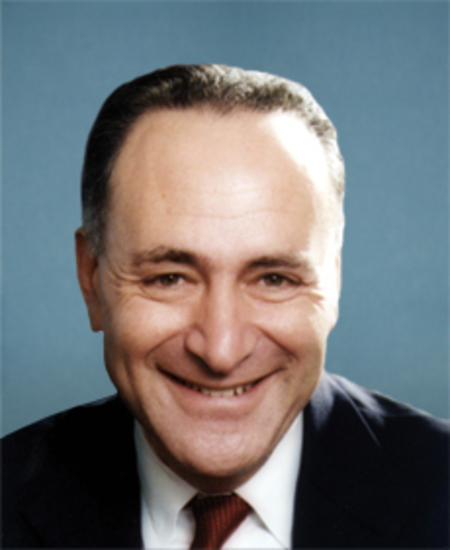
Charles E. Schumer
Charles E. Schumer Senate
D
Strong −
12% 24
Showing 21–30 of 111 bills

All veterans bills

in committee · United States · House May 12, 2026

HR 8751: Servicemember Civilian Transition Support Act

This bill creates a new senior official within the Department of Defense to oversee programs that help active-duty service members and reservists transition to civilian life. The designated official must have extensive experience in veterans' services and will serve as the department's chief transition officer, coordinating efforts with agencies like the Department of Veterans Affairs. Their main duties include reviewing existing transition programs, ensuring they are effective and legally compliant, and working with other government bodies to improve support services for military families. The Under Secretary of Defense for Personnel and Readiness is required to appoint this official within 90 days of the law's enactment and report to Congress on the progress.
in committee · United States · House May 21, 2026

HR 8986: Ensuring Rural Health Care Access for Military and Tribal Families Act

This bill allows rural hospitals serving military and tribal families to be designated as critical access hospitals even if they do not currently meet standard financial criteria. Starting in October 2026, facilities can qualify for this status if they serve at least three specific conditions, such as deriving a significant portion of their revenue from TRICARE-covered patients or being located on an Indian reservation. The legislation also permits these hospitals to establish psychiatric and rehabilitation units without being limited by the usual bed count restrictions. These changes aim to improve healthcare availability for service members, their dependents, and veterans living in rural areas by expanding the number of eligible facilities.
in committee · United States · House May 7, 2026

HJRES 178: Providing for congressional disapproval under chapter 8 of title 5, United States Code, of the rule submitted by the Bureau of Consumer Financial Protection relating to the withdrawal of the rule relating to "Examinations for Risks to Active-Duty Servicemembers and Their Covered Dependents".

This bill seeks to overturn a Bureau of Consumer Financial Protection decision that removed rules requiring lenders to examine risks to active-duty military members and their families. If passed, the resolution would cancel the agency's action, effectively restoring the previous regulations that mandated these specific risk assessments. The measure directly impacts financial institutions by ensuring they must continue evaluating how their products affect servicemembers under the original guidelines. It is a procedural step that uses Congress's power to disapprove federal agency rules without creating new laws or policies.
Sub-Topics Military Families
in committee · United States · Senate Apr 16, 2026

S 4335: HERO Child Care for Military Families Act

The HERO Child Care for Military Families Act aims to improve child care availability and workforce stability for military families by expanding eligibility for military child development centers and introducing new hiring and benefit structures. Key provisions allow the Department of Defense to hire national service volunteers as child care employees and establish a preclearance program that conducts background checks and health screenings on potential hires regardless of whether a job opening currently exists. The bill also authorizes job-sharing arrangements where two part-time employees share one full-time position to reduce vacancies and offers limited benefits, such as commissary access and tuition assistance, to help recruit and retain staff. To better track progress, the legislation requires the creation of a unified data system to monitor child care capacity and waitlists, along with specific reports on how child care availability impacts military readiness and family retention.
Sub-Topics Military Families
in committee · United States · Senate Apr 30, 2026

S 4474: Servicemember Civilian Transition Support Act

The Servicemember Civilian Transition Support Act creates a new senior official within the Department of Defense to oversee programs helping military members move from active duty to civilian life or reserve components. This designated official, who must have extensive experience with veterans' services, will serve as the department's chief transition officer and advise top defense leaders on related policies. Their duties include reviewing existing assistance programs, coordinating with other federal agencies, and working with state and local governments to improve support services for transitioning service members and their families. The bill also requires the Secretary of Defense to brief Congress within 90 days on the appointment and implementation of this new role.
in committee · United States · House Apr 16, 2026

HR 8336: Helping Ensure Reliable Opportunities in Child Care for Military Families Act

The Helping Ensure Reliable Opportunities in Child Care for Military Families Act aims to improve child care services for military families by addressing staffing and data challenges at military child development centers. It expands the pool of eligible child care providers, including national service volunteers, and establishes a "preclearance" system for background checks and health screenings for prospective child care employees. The bill also authorizes job-sharing arrangements and allows the Department of Defense to offer limited benefits like commissary access and tuition assistance to child care employees to aid recruitment and retention. Finally, it mandates a unified data system to monitor child care capacity, staffing, and waitlists, and requires reports analyzing child care availability's impact on military readiness.
Sub-Topics Military Families Tags Children
in committee · United States · Senate Mar 26, 2026

S 4231: A bill to amend title 38, United States Code, to increase flexibility in the transferability of Post-9/11 Educational Assistance, and for other purposes.

This bill modifies the Post-9/11 GI Bill to allow service members to transfer their education benefits to family members under new conditions. It removes the requirement that family members must wait until the service member is no longer in the military to receive the transferred benefits, allowing transfers to happen at any time. The legislation also changes the minimum service requirement for transferring benefits from six years to a different threshold, though the exact new requirement is not fully detailed in the provided text. These changes directly affect military personnel who wish to give their education assistance to spouses or dependents. The bill updates the relevant sections of Title 38 of the United States Code to implement these policy adjustments.
in committee · United States · Senate Mar 26, 2026

S 4237: A bill to amend title 38, United States Code, to modify the eligibility requirements for transfer of unused entitlement to Post-9/11 Educational Assistance, and for other purposes.

This bill modifies the rules for transferring unused Post-9/11 Educational Assistance benefits from service members to their dependents. It primarily affects military personnel who have served at least 10 years, including at least six years in the Armed Forces, and those who have served six years and agree to commit to additional service. The key change allows approved transfers to happen at any time, rather than requiring a specific waiting period, while also clarifying when children can begin using transferred benefits. Additionally, the bill updates related sections in the law to align with these new eligibility and timing requirements.
in committee · United States · House Mar 24, 2026

HR 8056: Military Financial Literacy Act of 2026

The Military Financial Literacy Act of 2026 expands personalized financial and housing counseling services for members of the Armed Forces. It requires the Department of Defense to establish a one-on-one counseling program within one year that covers credit management, budgeting, anti-predatory lending, rental planning, VA home loans, and legal protections under the Servicemembers Civil Relief Act. The program must partner with HUD-approved, tax-exempt Veteran Service Organizations that have expertise in financial literacy and housing stability. The Secretary of Defense must submit a report to Congress within two years detailing the number of service members who received counseling, completion rates, and indicators of financial stress or housing instability among participants.
in committee · United States · Senate Mar 26, 2026

S 4225: DOULA for VA Act of 2026

This bill establishes a five-year pilot program to provide doula support services to pregnant and postpartum women veterans enrolled in the Department of Veterans Affairs. The program aims to improve maternal, mental health, and infant care outcomes by training doulas to advocate for veterans alongside medical teams, with sessions occurring before, during, and after labor and delivery. The pilot will operate in specific Veterans Integrated Service Networks selected based on female veteran enrollment rates and will include targeted support for populations facing higher health risks, such as American Indian or Alaska Native veterans. Funding is authorized through fiscal year 2032, and the VA Secretary must submit annual reports on the program's impact to Congress, including recommendations on whether to expand the initiative.
Showing 21 to 30 of 111 bills
Previous 1 … 2 3 4 … 12 Next