Issue · Veterans

Veterans

Every veterans bill, vote, and legislator stance in United States, automatically classified by Maddy, our AI policy reader.

Total bills
1,154
119th Congress
Top supporter
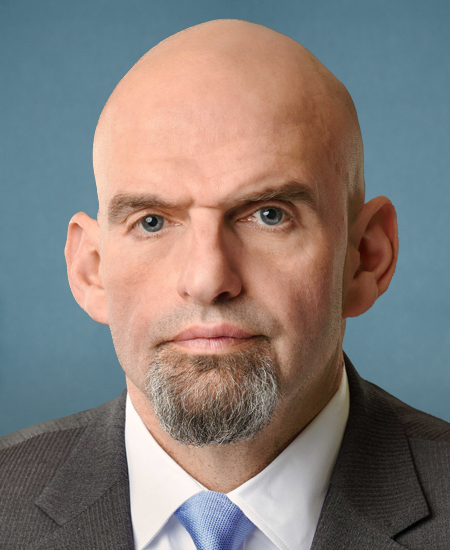
John Fetterman
88% support rate
Top opponent
Rand Paul
12% support rate
Ranked legislators
10
5 support · 5 oppose
Key legislators

Who's moving veterans in United States

Legislators moving veterans in United States
Legislator Party Stance Support rate Decisive votes
John Fetterman
John Fetterman Senate
D
Strong +
88% 40
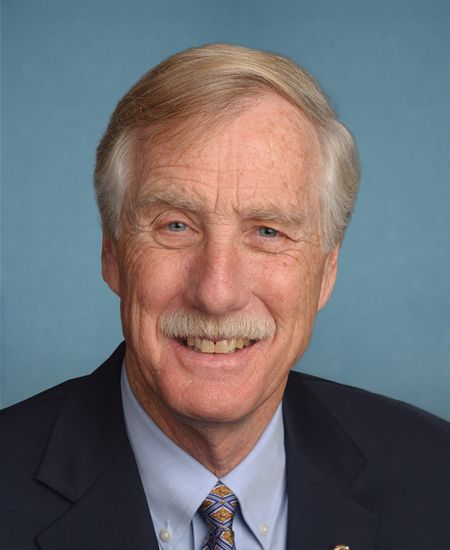
Angus S. King, Jr.
Angus S. King, Jr. Senate
I
Strong +
83% 42
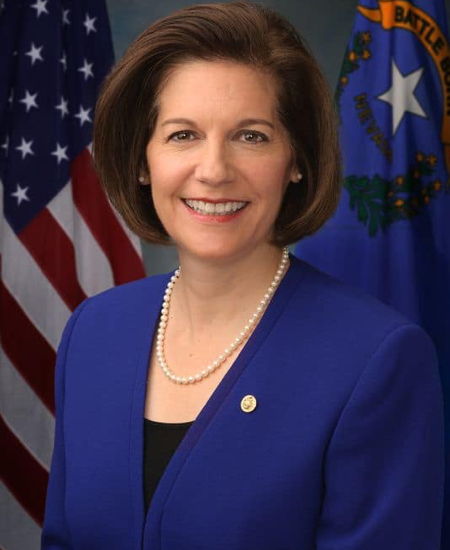
Catherine Cortez Masto
Catherine Cortez Masto Senate
D
Strong +
83% 42
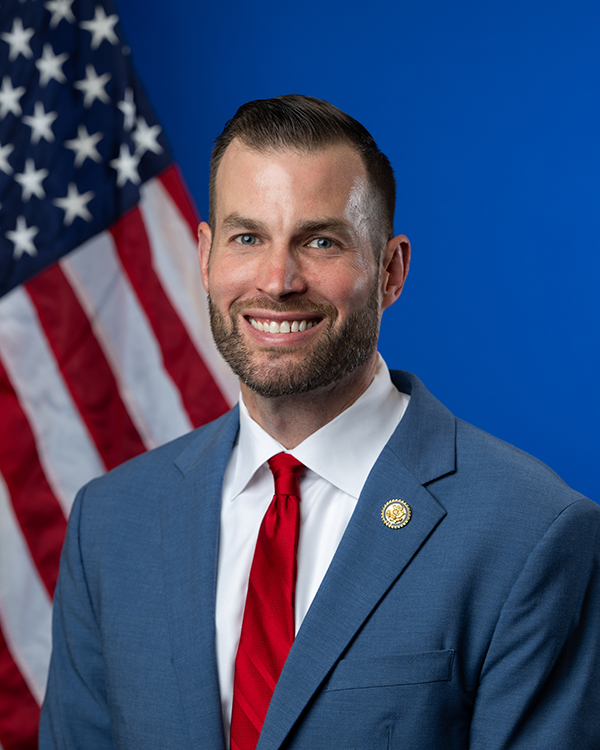
Clay Fuller
Clay Fuller House · District 14
R
Strong +
80% 10
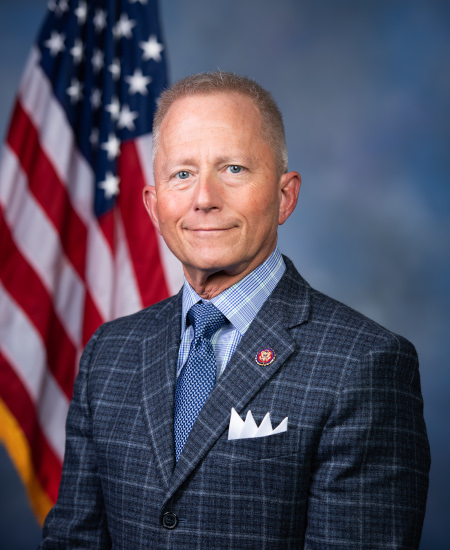
Jefferson Van Drew
Jefferson Van Drew House · District 2
R
Support
76% 17
Rand Paul
Rand Paul Senate
R
Strong −
12% 42
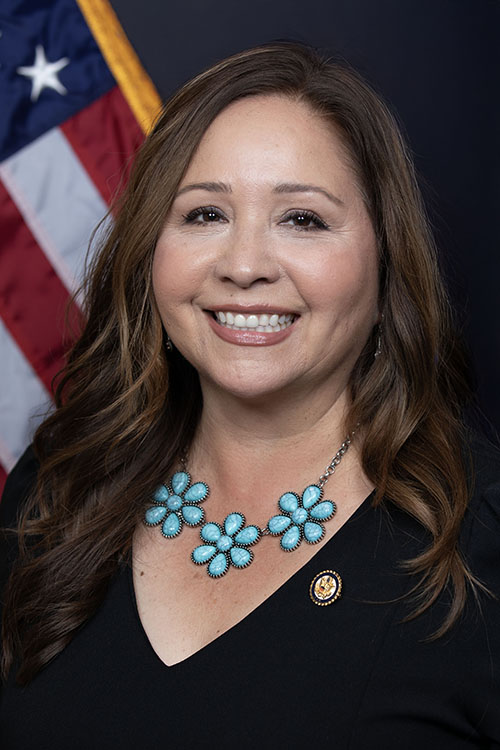
Adelita S. Grijalva
Adelita S. Grijalva House · District 7
D
Strong −
18% 11
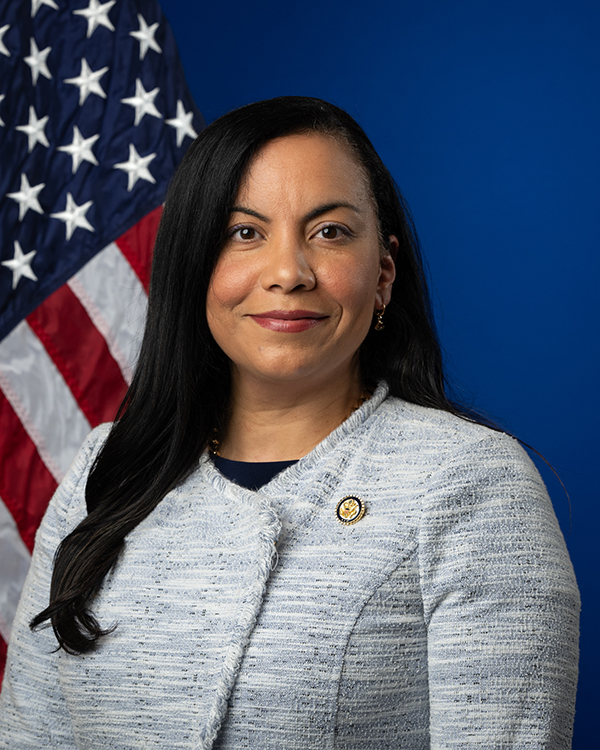
Analilia Mejia
Analilia Mejia House · District 11
D
Strong −
20% 10
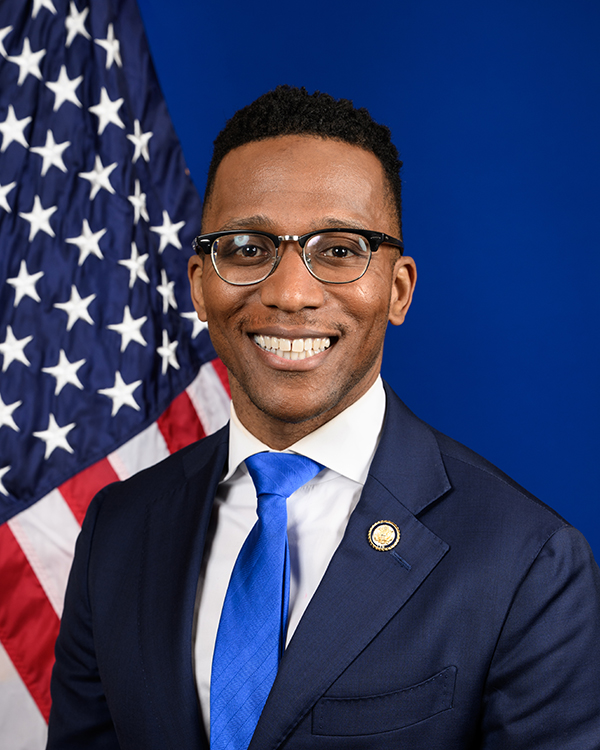
Christian D. Menefee
Christian D. Menefee House · District 18
D
Strong −
20% 10
André Carson
André Carson House · District 7
D
Oppose
25% 16
Showing 241–250 of 1,154 bills

All veterans bills

in committee · United States · House May 7, 2026

HR 7027: Restore Veterans’ Compensation Act of 2026

The Restore Veterans’ Compensation Act of 2026 modifies how the government recoups certain separation payments from former military members. This bill primarily affects veterans who received separation pay upon leaving service and later qualify for disability compensation or military retired pay. Specifically, it prevents the reduction of veterans' disability compensation due to their prior receipt of separation, severance, or readjustment pay. For those receiving military retired pay, the bill limits recoupment to the net amount of separation pay received (after taxes) and caps monthly deductions at 25% of their retired pay, unless they choose a faster repayment. It also requires a 90-day notice before deductions begin, allows the Secretary of Defense to waive recoupment in cases of financial hardship, and exempts members who were retirement-eligible when they received voluntary separation pay from having to repay it upon later retirement.
in committee · United States · House Apr 21, 2026

HRES 1205: Encouraging military discounts in honor of the 250th anniversary of the United States.

This House Resolution encourages small and major businesses across the United States to voluntarily offer military appreciation discounts to members of the Armed Forces, veterans, and their families. This initiative is a non-binding gesture to honor their service during the 250th anniversary of the United States in 2026, relying solely on voluntary business participation without mandates or public funding.
in committee · United States · House Apr 21, 2026

HRES 1204: Expressing the sense of the House of Representatives that as the United States marks 250 years of independence, establishing a "Veterans Appreciation Month" offers a simple but powerful way for the Nation to recognize the men and women whose service has protected American freedom for generations.

This resolution expresses the sense of the House of Representatives that establishing a "Veterans Appreciation Month" would be a powerful way for the nation to recognize veterans. It suggests this recognition should occur as the United States marks its 250th anniversary of independence.
in committee · United States · House Mar 24, 2026

HR 8066: Carlton H. Ingram Veterans’ Benefits Improvement Act

The Carlton H. Ingram Veterans’ Benefits Improvement Act amends federal law to change how the Department of Veterans Affairs (VA) rates disabilities for veterans. The bill requires the VA's disability rating schedule to discount the beneficial effects of medication or treatment when assessing a veteran's condition, if a baseline without those effects can be established. This means the VA should rate the underlying severity of a service-connected disability, rather than its improved state due to ongoing treatment. However, the bill clarifies that this change does not prevent veterans from seeking compensation for additional disabilities caused by their medication or treatment, or for the aggravation of a pre-existing service-connected condition.
in committee · United States · House Apr 16, 2026

HR 8336: Helping Ensure Reliable Opportunities in Child Care for Military Families Act

The Helping Ensure Reliable Opportunities in Child Care for Military Families Act aims to improve child care services for military families by addressing staffing and data challenges at military child development centers. It expands the pool of eligible child care providers, including national service volunteers, and establishes a "preclearance" system for background checks and health screenings for prospective child care employees. The bill also authorizes job-sharing arrangements and allows the Department of Defense to offer limited benefits like commissary access and tuition assistance to child care employees to aid recruitment and retention. Finally, it mandates a unified data system to monitor child care capacity, staffing, and waitlists, and requires reports analyzing child care availability's impact on military readiness.
Sub-Topics Military Families Tags Children
passed · United States · House Jul 14, 2026

HR 8469: Making appropriations for military construction, the Department of Veterans Affairs, and related agencies for the fiscal year ending September 30, 2027, and for other purposes.

HR 8469 is an appropriations bill that allocates federal funds for military construction, the Department of Veterans Affairs (VA), and several related agencies for the fiscal year ending September 30, 2027. The bill provides substantial funding for military construction projects across all service branches, including new facilities, upgrades, and family housing for military personnel and their families. It also dedicates significant resources to the Department of Veterans Affairs to support a wide range of veterans' benefits, healthcare services (including community care, mental health, and care for toxic exposures), medical research, and the modernization of the veterans' electronic health record system. Additionally, the bill funds national cemeteries, the US Court of Appeals for Veterans Claims, and the American Battle Monuments Commission, while setting administrative rules and conditions for how these funds can be obligated and spent. This legislation directly affects military members, veterans, and their families by providing the financial resources for their infrastructure, healthcare, and benefit programs.
in committee · United States · House May 7, 2026

HR 8332: Special Operations Forces Concealed Carry Act

This bill, titled the "Special Operations Forces Concealed Carry Act," amends federal law to allow current and honorably discharged military special operations personnel to carry concealed firearms nationwide. It directly affects those who served in specific special operations roles across the Army, Navy, Marine Corps, and Air Force. The bill expands the existing Law Enforcement Officers Safety Act (LEOSA) to include these "qualified special operators," granting them similar concealed carry privileges. Unlike law enforcement officers under LEOSA, these individuals would not be subject to annual firearms qualification requirements, and their authority would be permanent, contingent on maintaining honorable discharge status and federal firearm eligibility. To exercise this authority, they must carry proof of identity and qualification, which can include a new Department of Defense or Veterans Affairs photo identification or official service documentation.
in committee · United States · House Apr 14, 2026

HR 8281: Guard Equal Benefits for Federal Missions Act

The Guard Equal Benefits for Federal Missions Act aims to expand eligibility for certain federal benefits for National Guard members. It does this by treating specific full-time National Guard duty as "service in response to a national emergency" for benefit purposes. This qualifying duty must be authorized by the President or Secretary of Defense, support federal law enforcement operations (such as those of ICE or DEA), and address issues like criminal activity or drug trafficking. As a result, National Guard members performing these duties would become eligible for benefits like the Post-9/11 GI Bill, retirement age reduction, and the Transitional Assistance Management Program.
in committee · United States · House May 7, 2026

HR 8372: El Paso VA Medical Center Activation Readiness Act of 2026

The El Paso VA Medical Center Activation Readiness Act of 2026 requires the Secretary of Veterans Affairs to provide a briefing to key congressional committees within 180 days of the bill becoming law. This briefing focuses on the readiness of the new VA medical center under construction in El Paso, Texas, directly affecting its future operations and the veterans it will serve. It mandates detailed information on staffing requirements, recruitment plans, the timeline for acquiring and installing medical equipment, and the specialty care services to be offered. The briefing must also cover plans for coordinating with Department of Defense facilities and addressing access and travel issues for veterans in the region.
in committee · United States · Senate Apr 14, 2026

S 4282: National POW/MIA Memorial and Museum Act

This bill designates a memorial and museum currently being constructed in Jacksonville, Florida, as the "National POW/MIA Memorial and Museum." The facility aims to honor and educate the public about members of the Armed Forces who were prisoners of war or are missing in action since World War II. To maintain this national designation, the museum's director must submit a report to Congress within 90 days outlining its budget, organizational structure, and accreditation. The designation can be withdrawn if the museum is not operational within five years or if this report is not submitted on time.
Showing 241 to 250 of 1,154 bills
Previous 1 24 25 26 116 Next