Issue · Veterans

Veterans (Veteran Benefits)

Every veterans bill, vote, and legislator stance in United States, automatically classified by Maddy, our AI policy reader.

Total bills
428
119th Congress
Top supporter
Jefferson Van Drew
100% support rate
Top opponent
Jerrold Nadler
0% support rate
Ranked legislators
10
5 support · 5 oppose
Key legislators

Who's moving veteran benefits in United States

Legislators moving veteran benefits in United States
Legislator Party Stance Support rate Decisive votes
Jefferson Van Drew
Jefferson Van Drew House · District 2
R
Strong +
100% 4
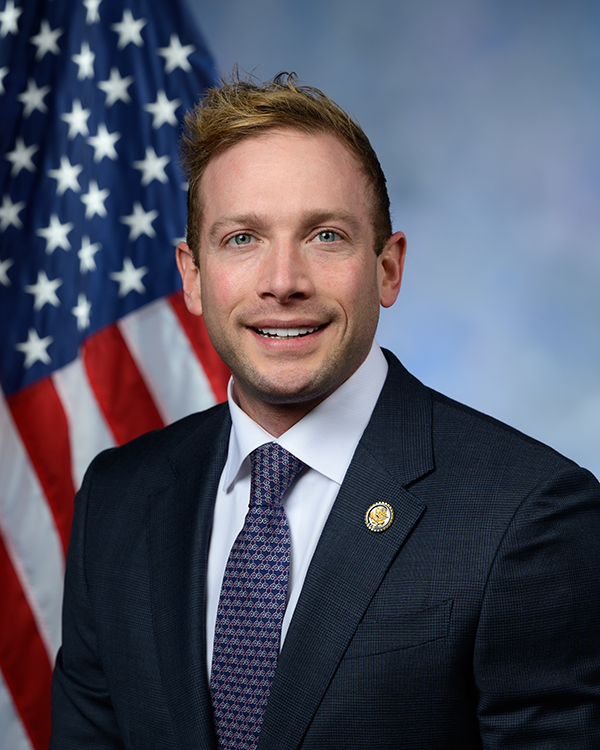
Max L. Miller
Max L. Miller House · District 7
R
Strong +
100% 4
Elise M. Stefanik
Elise M. Stefanik House · District 21
R
Strong +
100% 3
Lauren Boebert
Lauren Boebert House · District 4
R
Strong +
100% 3
Wesley Hunt
Wesley Hunt House · District 38
R
Strong +
100% 3
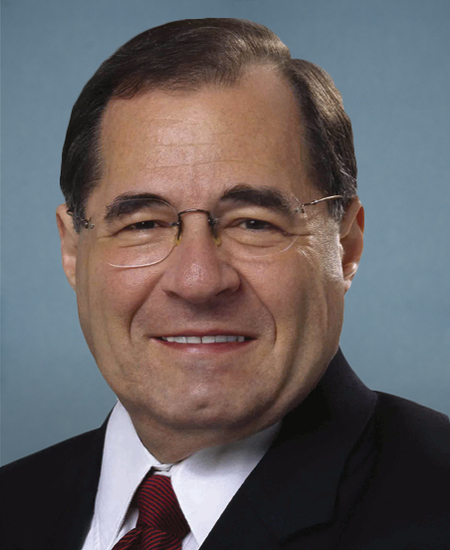
Jerrold Nadler
Jerrold Nadler House · District 12
D
Strong −
0% 3
Mike Quigley
Mike Quigley House · District 5
D
Strong −
0% 3
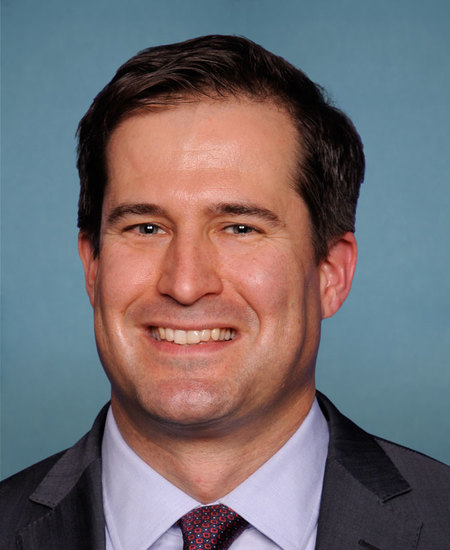
Seth Moulton
Seth Moulton House · District 6
D
Strong −
0% 3
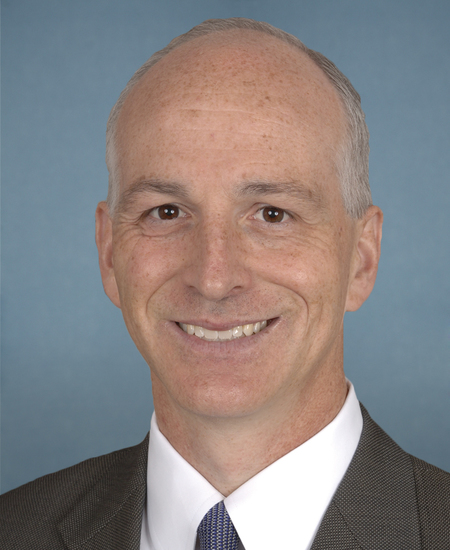
Adam Smith
Adam Smith House · District 9
D
Oppose
25% 4
Adelita S. Grijalva
Adelita S. Grijalva House · District 7
D
Oppose
25% 4
Showing 231–240 of 428 bills

All veterans bills

in committee · United States · House Mar 6, 2025

HR 962: Defending Veterans’ Second Amendment Rights Act

HR 962 prohibits the Department of Veterans Affairs (VA) from sending veterans' personal information to the Justice Department's national background check system solely based on a VA determination of service-connected disability. This directly affects veterans who have been classified as having a service-connected disability under VA rules, preventing potential automatic triggers for background checks that could restrict firearm access. The key provision blocks the VA from transmitting such data to the Justice Department's system, which is used for firearm background checks under the Brady Act. The bill focuses on stopping a specific data-sharing practice, not on changing gun laws or disability benefits. It does not alter veterans' eligibility for benefits or firearms rights directly, only preventing a particular administrative step.
in committee · United States · House Feb 20, 2025

HR 496: Veterans 2nd Amendment Restoration Act of 2025

HR 496, the Veterans 2nd Amendment Restoration Act of 2025, directly affects veterans who were previously flagged for firearm restrictions based on Veterans Affairs (VA) determinations of mental incompetence or fiduciary appointments. The bill requires the VA to notify the Department of Justice within 30 days that its past practice of sharing such veteran information with the national background check system was improper. It also explicitly prohibits treating veterans as "mental defectives" for gun restrictions solely because the VA determined they were mentally incompetent or required a fiduciary under VA regulations. This changes how VA decisions are used in federal firearm background checks, removing an automatic barrier for affected veterans.
in committee · United States · House Mar 27, 2025

HR 1746: SAVE Act

The SAVE Act requires the Department of Veterans Affairs (VA) to submit an annual report to Congress detailing its accreditation process for representatives who assist veterans with benefit claims. The report must cover training requirements, data collection methods, verification procedures, database accuracy, staffing, costs, and denial rates for accreditation applications. It also establishes a certification mark for accredited representatives and imposes civil penalties for fraudulent use of the mark, while mandating regular updates to the VA’s public database of accredited representatives. This directly affects VA administrators, veterans’ representatives, and the transparency of the accreditation system.
in committee · United States · House Feb 6, 2025

HR 72: TBI and PTSD Treatment Act

HR 72, the TBI and PTSD Treatment Act, authorizes the Department of Veterans Affairs to provide hyperbaric oxygen therapy as a covered treatment for veterans diagnosed with traumatic brain injury (TBI) or post-traumatic stress disorder (PTSD). This bill directly affects eligible veterans with these specific conditions by expanding their access to this treatment option through VA-approved health care providers. The key provision adds a new section (1710F) to Title 38, specifying that the Secretary must furnish this therapy under existing VA healthcare authority. The bill does not create new benefits but formalizes coverage for this specific treatment method for qualifying veterans.
in committee · United States · Senate Mar 11, 2025

S 892: Veteran Fraud Reimbursement Act of 2025

This bill (S 892) amends Section 6107 of Title 38, U.S. Code, to improve how the Department of Veterans Affairs (VA) handles misused benefits. It requires the VA to reissue misused benefits to veterans (or their successor guardians) when a guardian (fiduciary) improperly uses their payments, and to make good-faith efforts to recover those funds from the misusing guardian. If a veteran dies before receiving reissued benefits, the VA must pay the amount to the appropriate beneficiary under existing law, but not to the misusing guardian. The law ensures veterans directly affected by fiduciary misuse receive the full amount misused, with no additional payment beyond the original misused benefit.
passed · United States · House Apr 10, 2025

HR 981: VETT Act

The VETT Act (HR 981) improves transparency for veterans using education benefits by changing how educational institutions share program details. It requires schools to provide veterans with a clear notice if they cannot supply complete information about program costs or terms, including what is missing and the best available estimate for that information. The bill also mandates the Department of Veterans Affairs to create a central website for regularly updating training resources for school officials who handle veterans' education benefits. These changes directly affect veterans seeking education assistance and the colleges/universities participating in VA programs.
in committee · United States · House Feb 11, 2025

HR 220: Veterans Infertility Treatment Act of 2025

This proposed bill (HR 220) would expand VA healthcare benefits to cover infertility treatments like in vitro fertilization (IVF) and fertility preservation services for veterans with infertility or at risk of infertility (e.g., due to medical treatments), and their partners. It limits VA coverage to three successful IVF cycles or ten attempts, requires consent from veterans, partners, and donors, and allows use of donated eggs or embryos. Partners would receive travel reimbursement as if they were veterans, and temporary rules during implementation will immediately allow partners to access care without marriage requirements. The bill clarifies VA isn’t required to cover maternity care beyond existing rules and defers full implementation until VA issues final regulations within one year of enactment.
in committee · United States · Senate Jul 30, 2025

S 1245: Servicemembers and Veterans Empowerment and Support Act of 2025

The Servicemembers and Veterans Empowerment and Support Act of 2025 improves support for veterans who experienced military sexual trauma by reforming how disability claims are processed and expanding access to care. It establishes specialized teams to review claims, changes evidence standards to include non-military sources like counseling records, and requires VA communications to include trauma resources. The bill expands eligibility for counseling and treatment to all former reserve members, ensures veterans get connected to health care services when submitting claims, and provides care options for those who withdraw from service academies. It also mandates annual accuracy reviews of claim processing and requires improved training for VA staff handling these cases.
in committee · United States · House Jun 11, 2025

HR 3914: Valor Has No Expiration Act

This bill allows military departments to reconsider awards of decorations (like medals) that weren't given on time because service records were classified or restricted for national security reasons. It directly affects service members (in the Army, Navy, Marines, Air Force, or Space Force) who served on active duty from 1940 onward and whose records were withheld due to classification. The bill requires military departments to begin reviewing such requests within 30 days and complete the review within one year, waiving standard time limits for these specific cases. It also mandates detailed reports to Congress and the President (for Medal of Honor requests) on each review's findings and recommendations.
in committee · United States · Senate Mar 18, 2026

S 1726: ASSIST Act of 2025

Automotive Support Services to Improve Safe Transportation Act of 2025 or the ASSIST Act of 2025 This bill expands the definition of medical services for purposes of veterans’ benefits to include additional medically necessary automobile adaptations. Under the bill, the Department of Veterans Affairs may provide funding for the following medically necessary automobile adaptations for driver or passenger use: ramp and kneeling systems, lowered floors, occupied and unoccupied mobility lifts, ingress or egress accessibility modifications, and adapted seating.  The bill also extends the limitation on pension amounts for certain hospitalized or institutionalized veterans through September 30, 2032.
Showing 231 to 240 of 428 bills
Previous 1 … 23 24 25 … 43 Next