Issue · Veterans

Veterans (Veteran Benefits)

Every veterans bill, vote, and legislator stance in United States, automatically classified by Maddy, our AI policy reader.

Total bills
428
119th Congress
Top supporter
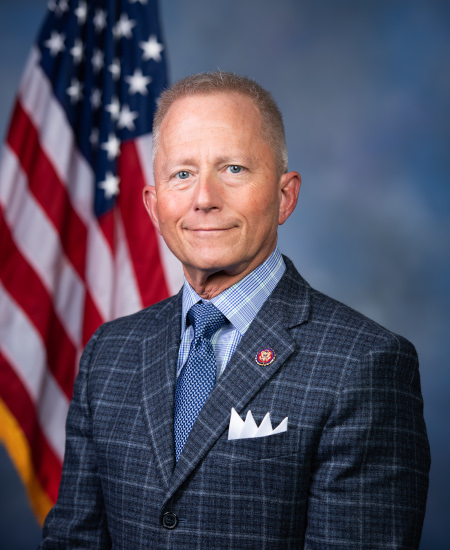
Jefferson Van Drew
100% support rate
Top opponent
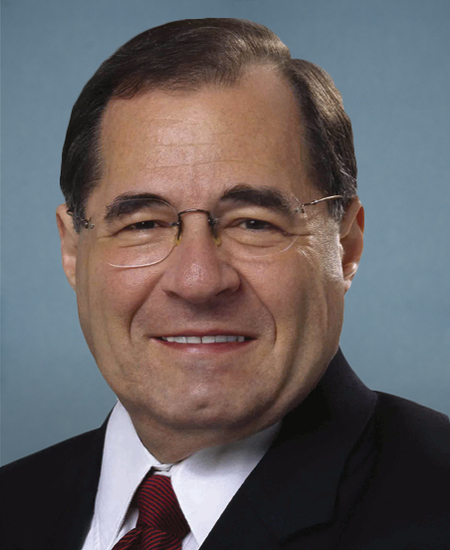
Jerrold Nadler
0% support rate
Ranked legislators
10
5 support · 5 oppose
Key legislators

Who's moving veteran benefits in United States

Legislators moving veteran benefits in United States
Legislator Party Stance Support rate Decisive votes
Jefferson Van Drew
Jefferson Van Drew House · District 2
R
Strong +
100% 4
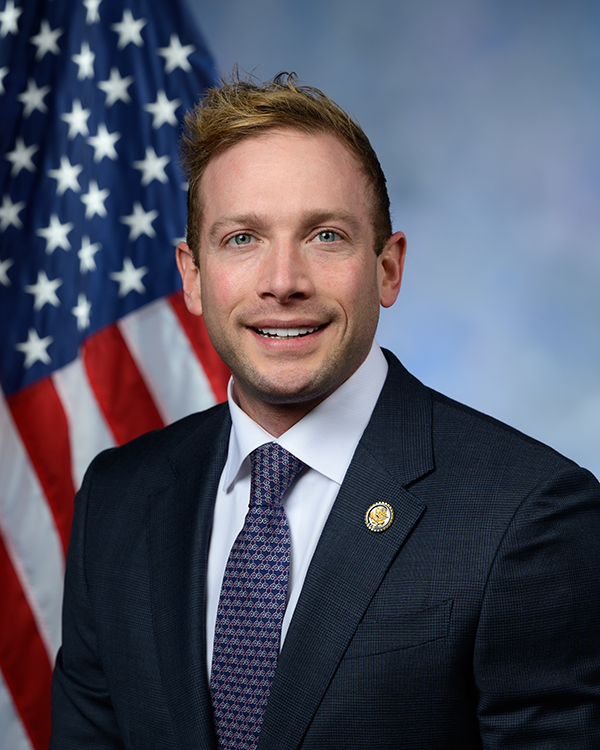
Max L. Miller
Max L. Miller House · District 7
R
Strong +
100% 4
Elise M. Stefanik
Elise M. Stefanik House · District 21
R
Strong +
100% 3
Lauren Boebert
Lauren Boebert House · District 4
R
Strong +
100% 3
Wesley Hunt
Wesley Hunt House · District 38
R
Strong +
100% 3
Jerrold Nadler
Jerrold Nadler House · District 12
D
Strong −
0% 3
Mike Quigley
Mike Quigley House · District 5
D
Strong −
0% 3
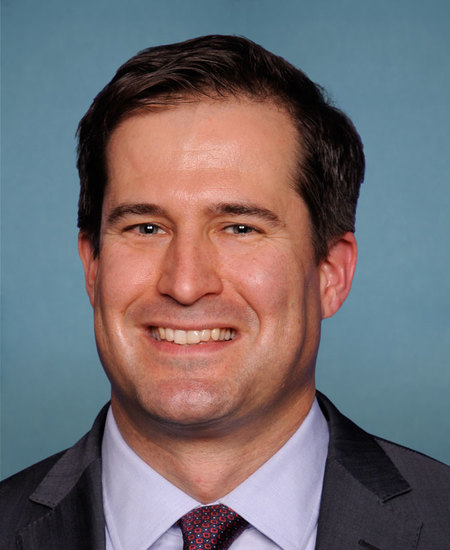
Seth Moulton
Seth Moulton House · District 6
D
Strong −
0% 3
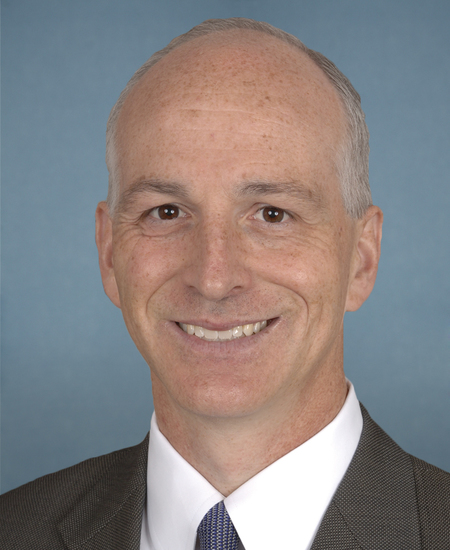
Adam Smith
Adam Smith House · District 9
D
Oppose
25% 4
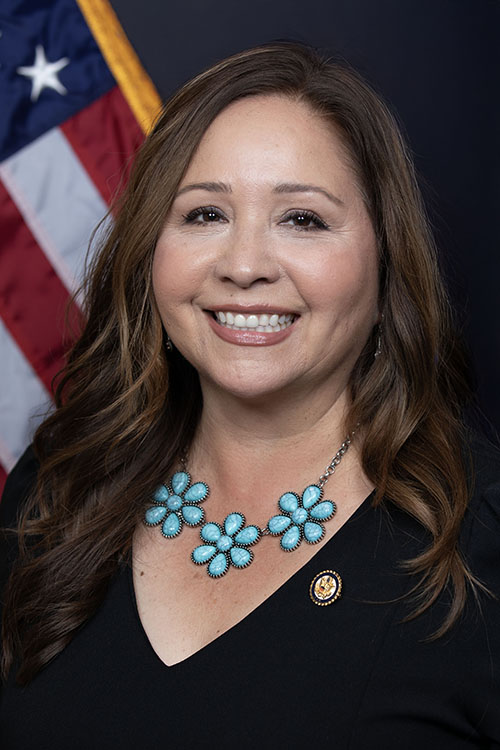
Adelita S. Grijalva
Adelita S. Grijalva House · District 7
D
Oppose
25% 4
Showing 201–210 of 428 bills

All veterans bills

in committee · United States · House Apr 4, 2025

HR 2195: Feed Hungry Veterans Act of 2025

HR 2195, the Feed Hungry Veterans Act of 2025, would expand eligibility for food assistance under the Supplemental Nutrition Assistance Program (SNAP) to more veterans. It adds four new qualifying categories to the existing rules: veterans with a "catastrophically disabled" determination under military disability law, veterans under 65 receiving a pension, and veterans meeting specific combined disability rating thresholds. The bill amends the Food and Nutrition Act to include these new groups in SNAP eligibility, directly affecting veterans who currently may not qualify under existing disability rating criteria. The changes would take effect on October 1, 2030.
in committee · United States · House Feb 11, 2025

HR 303: Retired Pay Restoration Act

HR 303, the Retired Pay Restoration Act, expands eligibility for military retirees with service-connected disabilities to receive both full retired pay and veterans' disability compensation without reduction. It specifically extends concurrent receipt authority to retirees with disability ratings below 50% (previously limited to 100% or combat-related ratings). The bill amends Title 10, U.S. Code, to define "qualified retirees" as those entitled to both retired pay (meeting service requirements) and veterans' disability compensation, removing the offset for this group. The changes apply to payments starting January 1, 2021, for affected retirees.
passed · United States · House Sep 18, 2025

HR 3481: Delivering Digitally to Our Veterans Act of 2025

This bill requires the Department of Veterans Affairs (VA) to create an electronic system allowing veterans and eligible individuals to send and receive official communications about their educational benefits. It directly affects veterans using VA educational assistance programs by offering a digital alternative to paper mail. The key provision mandates that veterans must actively opt in to use this electronic system (rather than it being automatic), and the VA must notify enrolled students about this option. The VA will now be required to provide this electronic communication mechanism as part of managing educational benefit correspondence.
in committee · United States · Senate Mar 18, 2026

S 1665: OATH Act of 2025

This bill requires the Department of Veterans Affairs to notify veterans who participated in secrecy oath programs (where they signed non-disclosure agreements) about eligible benefits within 90 days of their release from the oath. It specifically directs the VA to identify and notify veterans who were part of the Edgewood Arsenal program (1948-1975) about all available benefits and services. The bill also changes the effective date for disability compensation awards to begin the day after a veteran’s discharge or release from such programs. This applies to veterans who participated in the Edgewood Arsenal program or any other secrecy oath program.
in committee · United States · House Mar 2, 2026

HR 7472: To amend title 38, United States Code, to repeal a certain limitation on the receipt of assistance under both the Department of Veterans Affairs Veteran Readiness and Employment program and Department of Veterans Affairs educational assistance programs.

HR 7472 repeals a restriction that previously prevented veterans from receiving both Department of Veterans Affairs (VA) Veteran Readiness and Employment (VR&E) program support and VA educational benefits simultaneously. This change directly affects veterans who seek job training or employment assistance through VR&E while also pursuing education under VA programs. The bill amends Section 3695 of Title 38 by removing the existing limitation (formerly subsection (b)) and renumbering the remaining provisions. As a result, eligible veterans will no longer face an automatic disqualification from one program when receiving the other.
in committee · United States · Senate Mar 18, 2026

S 2683: VSAFE Act of 2025

The VSAFE Act of 2025 creates a new "Veterans Scam and Fraud Evasion Officer" within the Department of Veterans Affairs to combat fraud targeting veterans. This position serves as the central point of contact for veterans, families, and caregivers, responsible for developing fraud prevention communication, training VA staff, promoting the VSAFE Fraud Hotline and website, and coordinating with agencies like the IRS and DOJ. The bill requires the officer to monitor fraud metrics, establish consistent guidance for identifying and reporting scams, and consult with veterans' organizations. It does not authorize new full-time staff and includes a minor extension of a pension payment deadline (Section 3).
in committee · United States · House Mar 26, 2026

HR 6943: Veterans Burial Allowance and Reimbursement Act of 2026

HR 6943 standardizes burial benefits for veterans by updating eligibility rules under existing law. It changes the requirement for burial allowances to apply only to veterans who died from service-connected disabilities, removing the previous exclusion for those covered by other benefit provisions. The bill repeals Section 2307 of Title 38 (which previously governed a separate burial benefit program) and makes technical adjustments to related sections to align the rules. This directly affects veterans' families seeking burial allowances, simplifying access to benefits for those whose death was related to military service.
in committee · United States · House Apr 4, 2025

HR 2264: Service-Connected Suicide Compensation Act

This bill automatically provides dependency and indemnity compensation to survivors of veterans who died by suicide and had a service-connected mental disorder. It directly affects surviving spouses, children, and parents of these veterans. The key change requires the Veterans Affairs Secretary to pay compensation without needing additional proof that the suicide was directly linked to the mental disorder, as long as the veteran had a service-connected mental health condition. This streamlines the process for families who previously faced complex claims.
signed · United States · House Jan 20, 2026

HR 224: Disabled Veterans Housing Support Act

HR 224, the Disabled Veterans Housing Support Act, modifies how income is calculated for housing assistance programs by requiring that veterans' service-connected disability compensation (from the VA) be excluded when determining eligibility for low/moderate income housing. This directly affects disabled veterans who receive VA disability payments, ensuring these funds do not count against them for housing assistance under HUD programs. The bill amends the Housing and Community Development Act of 1974 to mandate this exclusion in income calculations. Additionally, it requires a report within one year examining how disability compensation is treated across HUD programs and recommending improvements to better serve veterans.
in committee · United States · House Dec 19, 2025

HR 4928: GRAVE Act

The GRAVE Act (HR 4928) expands eligibility for Department of Veterans Affairs headstones or grave markers to include members or former members of a Reserve component who are not classified as veterans solely because they did not meet the active-duty service requirements under current law (section 5303A of Title 38). Currently, reservists who served in the reserves but fell short of the active-duty minimum are excluded from this benefit, even if they completed qualifying reserve service. The bill amends a specific provision of federal law to redefine who qualifies for this honor, directly affecting reservists who have served but lack the required active-duty time. This change ensures these individuals receive the same burial recognition as other veterans without requiring additional active-duty service.
Showing 201 to 210 of 428 bills
Previous 1 … 20 21 22 … 43 Next