Issue · Veterans

Veterans

Every veterans bill, vote, and legislator stance in United States, automatically classified by Maddy, our AI policy reader.

Total bills
1,154
119th Congress
Top supporter
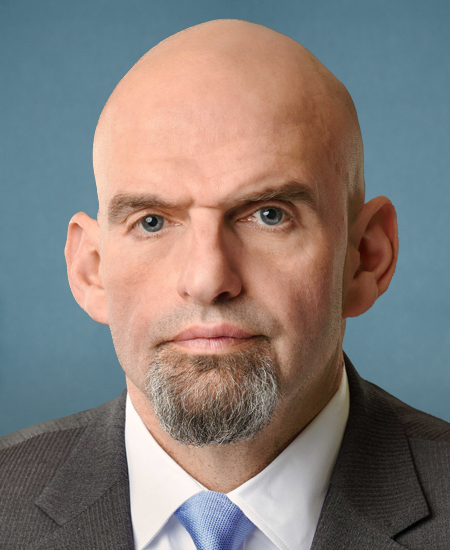
John Fetterman
88% support rate
Top opponent
Rand Paul
12% support rate
Ranked legislators
10
5 support · 5 oppose
Key legislators

Who's moving veterans in United States

Legislators moving veterans in United States
Legislator Party Stance Support rate Decisive votes
John Fetterman
John Fetterman Senate
D
Strong +
88% 40
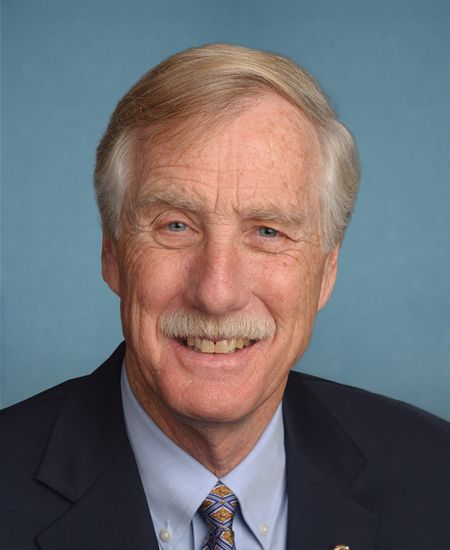
Angus S. King, Jr.
Angus S. King, Jr. Senate
I
Strong +
83% 42
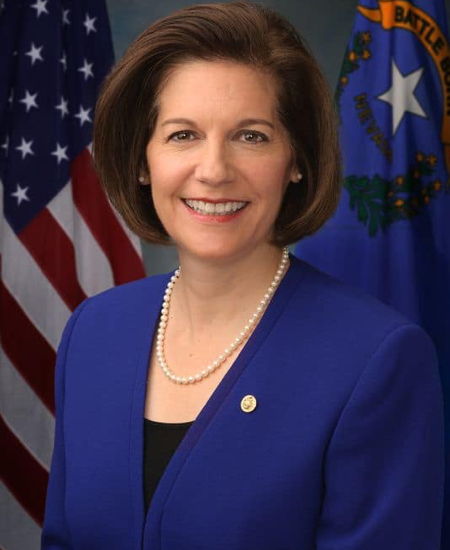
Catherine Cortez Masto
Catherine Cortez Masto Senate
D
Strong +
83% 42
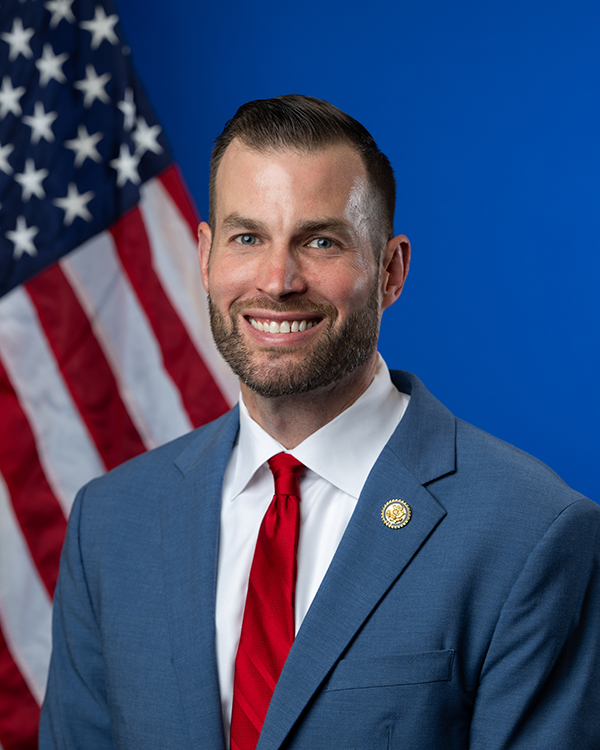
Clay Fuller
Clay Fuller House · District 14
R
Strong +
80% 10
Jefferson Van Drew
Jefferson Van Drew House · District 2
R
Support
76% 17
Rand Paul
Rand Paul Senate
R
Strong −
12% 42
Adelita S. Grijalva
Adelita S. Grijalva House · District 7
D
Strong −
18% 11
Analilia Mejia
Analilia Mejia House · District 11
D
Strong −
20% 10
Christian D. Menefee
Christian D. Menefee House · District 18
D
Strong −
20% 10
André Carson
André Carson House · District 7
D
Oppose
25% 16
Showing 191–200 of 1,154 bills

All veterans bills

in committee · United States · Senate Apr 28, 2026

SRES 691: A resolution supporting the designation of April 2026 as the "Month of the Military Child".

This resolution asks the Senate to recognize April 2026 as the 'Month of the Military Child' to honor the over 1.6 million children connected to the military. It encourages the public to observe this month with ceremonies and activities that show appreciation for these families. The bill does not create any new laws or funding but serves as a symbolic gesture to acknowledge the contributions of military children.
in committee · United States · House Apr 30, 2026

HR 8601: Veterans Protection from Fraud Act of 2026

The Veterans Protection from Fraud Act of 2026 strengthens federal penalties for crimes targeting veterans of any age. It achieves this by amending the U.S. Code to explicitly include "targeted veterans" as a specific category of victims for certain offenses. This legislative change ensures that fraud or crimes directed at veterans are treated with the same legal severity as those committed against other protected groups. The bill directly affects law enforcement, prosecutors, and the veterans community by closing a potential gap in how such crimes are classified and punished.
in committee · United States · House Jun 2, 2026

HRES 1332: Supporting the designation of February 1, as "Blue Star Mother's Day".

This resolution expresses the House of Representatives' support for designating February 1 as Blue Star Mother's Day to honor the Blue Star Mothers of America, Inc. The bill recognizes the organization's long history of supporting military families and its ongoing efforts to aid deployed service members and veterans. By encouraging the public to observe this day, the measure aims to highlight the contributions of these mothers without changing any laws or government operations.
in committee · United States · Senate Apr 15, 2026

S 4304: TRAVEL Act of 2026

The TRAVEL Act of 2026 authorizes the Department of Veterans Affairs to assign physicians to serve as traveling doctors in U.S. territories and possessions, including American Samoa, Guam, Puerto Rico, and the Virgin Islands. These physicians would work for up to one year at approved facilities to provide direct health care to veterans living in these areas. To encourage participation, the bill requires the department to offer relocation or retention bonuses to these traveling physicians. Additionally, the law mandates that these doctors coordinate with local medical providers to ensure high-quality, continuous care for veterans. The legislation also includes minor technical updates to the relevant sections of the U.S. Code to reflect the new program.
in committee · United States · House May 12, 2026

HR 8751: Servicemember Civilian Transition Support Act

This bill creates a new senior official within the Department of Defense to oversee programs that help active-duty service members and reservists transition to civilian life. The designated official must have extensive experience in veterans' services and will serve as the department's chief transition officer, coordinating efforts with agencies like the Department of Veterans Affairs. Their main duties include reviewing existing transition programs, ensuring they are effective and legally compliant, and working with other government bodies to improve support services for military families. The Under Secretary of Defense for Personnel and Readiness is required to appoint this official within 90 days of the law's enactment and report to Congress on the progress.
in committee · United States · House Apr 27, 2026

HR 8506: SAFE School Act

The SAFE School Act authorizes $900 million in federal grants to help states and local school districts enhance school security. These funds can be used to train and hire veterans or former law enforcement officers as school safety officers, as well as to install physical security measures like metal detectors, surveillance cameras, and reinforced glass. The legislation explicitly allows grants to be awarded to both public and private schools, including those with religious affiliations, without federal interference in how the money is spent. This bill aims to provide resources for schools to improve their safety infrastructure and emergency response capabilities.
in committee · United States · House Apr 23, 2026

HR 8486: Data Driven Suicide Prevention and Outreach Act of 2026

This bill establishes a grant program within the Department of Veterans Affairs to fund nonprofit and research organizations in developing artificial intelligence tools that predict suicide risks among veterans. Selected organizations will create models that combine military service records with clinical health data to identify risk factors, with a focus on areas experiencing high suicide rates and long wait times for mental health care. The program prioritizes applicants capable of building secure, interoperable systems that can be shared across the VA network, though the resulting technology remains the intellectual property of the winning organizations. Funding for this pilot initiative is authorized until September 30, 2029.
in committee · United States · House May 21, 2026

HR 8986: Ensuring Rural Health Care Access for Military and Tribal Families Act

This bill allows rural hospitals serving military and tribal families to be designated as critical access hospitals even if they do not currently meet standard financial criteria. Starting in October 2026, facilities can qualify for this status if they serve at least three specific conditions, such as deriving a significant portion of their revenue from TRICARE-covered patients or being located on an Indian reservation. The legislation also permits these hospitals to establish psychiatric and rehabilitation units without being limited by the usual bed count restrictions. These changes aim to improve healthcare availability for service members, their dependents, and veterans living in rural areas by expanding the number of eligible facilities.
in committee · United States · House Apr 20, 2026

HR 8384: To provide for the conveyance of certain property to the Utah National Guard located in Lehi, Utah, and for other purposes.

This bill authorizes the transfer of three specific parcels of federal land in Lehi, Utah, to the Utah National Guard for use as a state armory. The property includes various strips and irregularly shaped lots, and the transfer is subject to existing easements and restrictions that are currently in place. To ensure the land remains dedicated to military training, the agreement includes a clause allowing the federal government to reclaim the property if it is no longer used for National Guard readiness activities. Additionally, the bill requires the State of Utah to cover the costs associated with the transfer, such as environmental reviews and administrative fees, without using federal funds for these expenses.
in committee · United States · House May 7, 2026

HR 8679: To amend title 38, United States Code, to require the Secretary of Veterans Affairs to transmit a veteran's history of opioid prescriptions to a Community Care health care provider.

This bill requires the Department of Veterans Affairs to share a veteran's history of opioid prescriptions with their community healthcare providers. The rule applies to veterans receiving care outside the VA system and mandates that this prescription data be sent to both the specific non-VA doctors treating them and any third-party administrators managing their care. By updating existing regulations, the legislation aims to improve coordination between VA medical records and private healthcare providers to ensure comprehensive treatment information is available.
Showing 191 to 200 of 1,154 bills
Previous 1 19 20 21 116 Next