Issue · Veterans

Veterans (National Guard & Reserve)

Every veterans bill, vote, and legislator stance in United States, automatically classified by Maddy, our AI policy reader.

Total bills
124
119th Congress
Top supporter
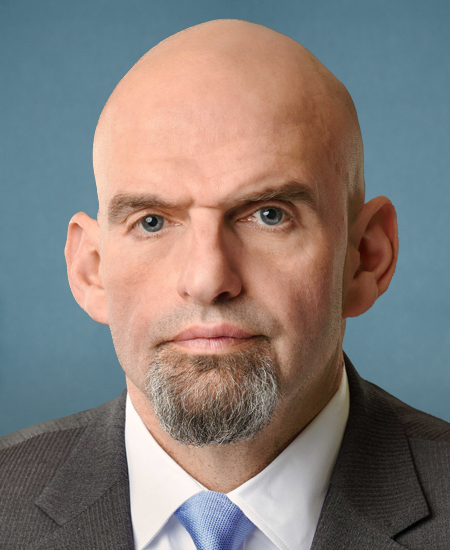
John Fetterman
100% support rate
Top opponent
Rand Paul
0% support rate
Ranked legislators
10
5 support · 5 oppose
Key legislators

Who's moving national guard & reserve in United States

Legislators moving national guard & reserve in United States
Legislator Party Stance Support rate Decisive votes
John Fetterman
John Fetterman Senate
D
Strong +
100% 22
Mike Johnson
Mike Johnson House · District 4
R
Strong +
100% 7
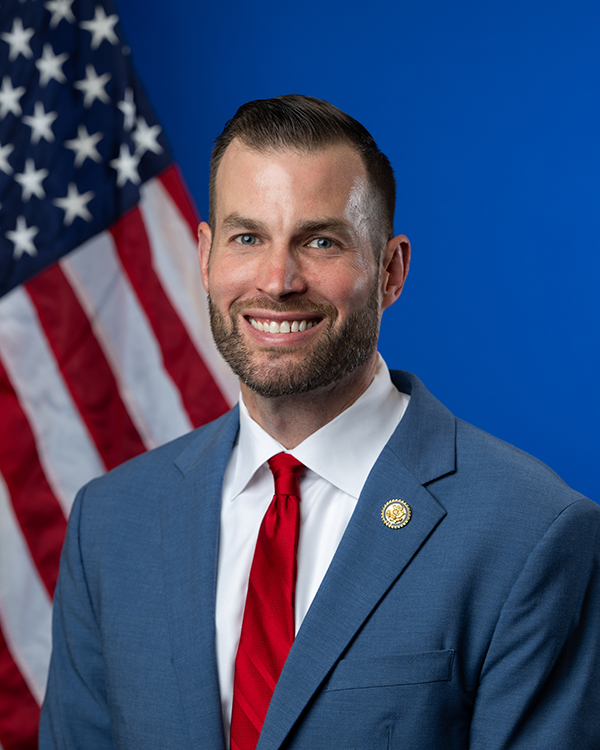
Clay Fuller
Clay Fuller House · District 14
R
Strong +
100% 6
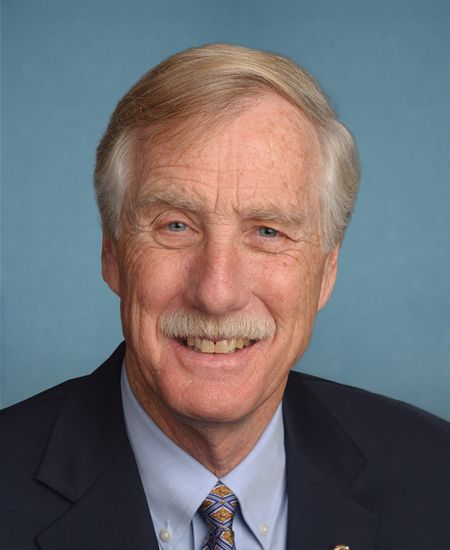
Angus S. King, Jr.
Angus S. King, Jr. Senate
I
Strong +
92% 24
Ashley Moody
Ashley Moody Senate
R
Strong +
92% 24
Rand Paul
Rand Paul Senate
R
Strong −
0% 24
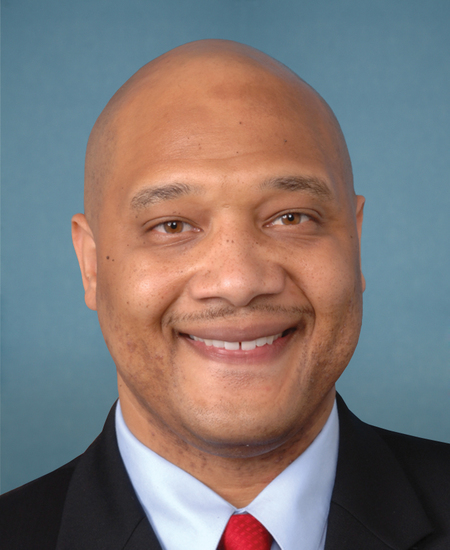
André Carson
André Carson House · District 7
D
Strong −
0% 8
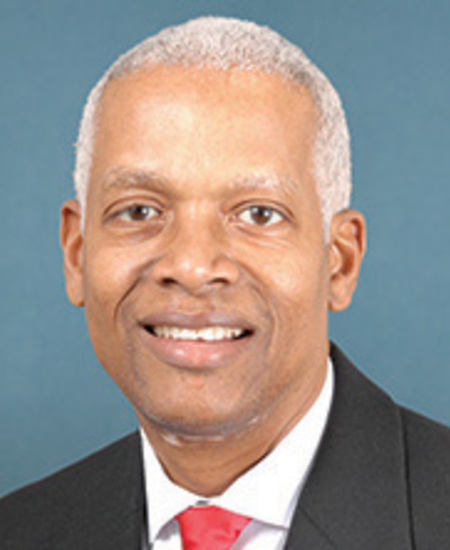
Henry C. "Hank" Johnson, Jr.
Henry C. "Hank" Johnson, Jr. House · District 4
D
Strong −
0% 8
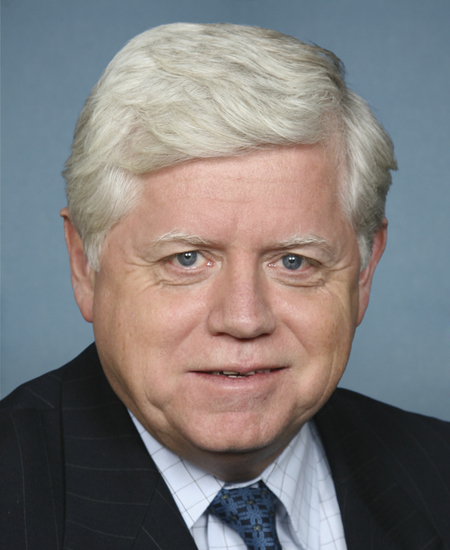
John B. Larson
John B. Larson House · District 1
D
Strong −
0% 8
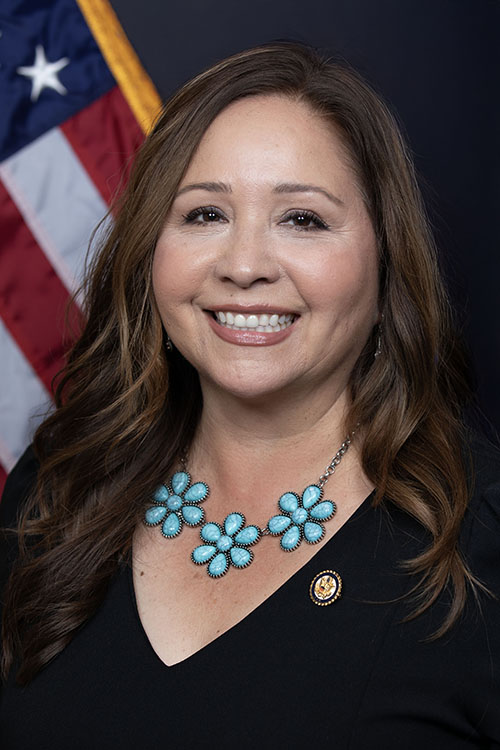
Adelita S. Grijalva
Adelita S. Grijalva House · District 7
D
Strong −
0% 7
Showing 11–20 of 124 bills

All veterans bills

passed · United States · House Jul 14, 2026

HRES 1423: Providing for consideration of the bill (H.R. 139) to make daylight savings time permanent, and for other purposes; providing for consideration of the bill (H.R. 8595) making appropriations for national security, Department of State, and related programs for the fiscal year ending September 30, 2027, and for other purposes; providing for consideration of the bill (H.R. 9237) to amend titles 10 and 38, United States Code, and other Federal laws, to improve benefits for veterans and the administration of the Department of Veterans Affairs; providing for consideration of the bill (H.R. 1181) to prohibit payment card networks and covered entities from requiring the use of or assigning merchant category codes that distinguish a firearms retailer from general-merchandise retailer or sporting-goods retailer, and for other purposes; and for other purposes.

This resolution provides for the consideration of the bill (H.R. 139) to make daylight savings time permanent, and for other purposes; providing for consideration of the bill (H.R. 8595) making appropriations for national security, Department of State, and related programs for the fiscal year ending September 30, 2027, and for other purposes; providing for consideration of the bill (H.R. 9237) to amend titles 10 and 38, United States Code, and other Federal laws, to improve benefits for veterans and the administration of the Department of Veterans Affairs; providing for consideration of the bill (H.R. 1181) to prohibit payment card networks and covered entities from requiring the use of or assigning merchant category codes that distinguish a firearms retailer from general-merchandise retailer or sporting-goods retailer, and for other purposes; and for other purposes.
in committee · United States · House Jul 6, 2026

HRES 1419: Celebrating the 200th anniversary of Jefferson Barracks in Missouri and recognizing its contributions to the military history and national security of the United States.

This resolution celebrates the 200th anniversary of Jefferson Barracks in Missouri and honors its historical contributions to U.S. military history and national security. It recognizes the site's long legacy, from its founding in 1826 as a training ground to its role in major conflicts like the Civil War and World War I, as well as its current status as a National Guard installation and historic park. The measure formally commends the thousands of service members who served there and encourages the continued preservation of the facility as a vital community and military asset.
in committee · United States · Senate Jun 16, 2026

S 4801: Duty Status Reform Act

The Duty Status Reform Act reorganizes federal laws to consolidate how reserve military members are ordered to active duty, creating a unified framework that applies to the Army, Navy, Air Force, Coast Guard, National Guard, and Space Force. The bill establishes four distinct categories of duty - ranging from mandatory training and remote assignments to emergency mobilization - and aligns the benefits, pay, and survivor protections for National Guard members with those of other reserve components. It also updates the legal definition of a "contingency operation" to include these new reserve duty categories and repeals older, overlapping statutes to streamline the system. Notably, the legislation includes a transition provision that delays the law's effective date by ten years, allowing time for agencies to prepare for implementation.
in committee · United States · House Jun 23, 2026

HR 9411: Next Mission Act

The Next Mission Act establishes a three-year pilot program that awards multiyear grants to private, nonprofit organizations to help military service members and their spouses transition to civilian careers. Eligible organizations must demonstrate a history of successful job training, rigorous evaluation methods, and the ability to offer online services to reach rural participants. These grants fund free services such as career assessments, mock interviews, industry-specific training pathways, and job placement assistance, with priority given to entities verified by third parties. The Department of Defense will track performance using metrics like job placement rates and median salaries, and must submit a final report to Congress after the program concludes.
in committee · United States · House Jun 25, 2026

HR 9465: Combat Pay Protection Act

The Combat Pay Protection Act establishes a new formula to increase specific special and incentive pay for members of the U.S. Armed Forces, including those in the reserve components. For the first year after the bill becomes law, pay will rise by the greater of the inflation rate or the percentage increase in basic pay, while subsequent years will use a similar calculation based on inflation or basic pay growth. This adjustment applies to bonuses and allowances defined in the law and overrides any existing legal caps on maximum pay amounts. The Department of Defense is also required to publish a detailed table listing the specific pay types and the calculated increase amounts by the end of the year the bill is enacted.
in committee · United States · House Jun 26, 2026

HR 9495: Department of Defense Appropriations Act, 2027

This bill appropriates funding for the Department of Defense for fiscal year 2027 to cover military personnel pay, operation and maintenance costs, procurement of weapons and equipment, and research and development activities. It directly affects active duty and reserve members of the Army, Navy, Marine Corps, Air Force, and Space Force, as well as their respective National Guard units, by providing specific dollar amounts for salaries, benefits, training, and the purchase of new hardware like ships, aircraft, and missiles. The legislation also includes numerous provisions that restrict how these funds can be used, such as prohibiting support for certain foreign entities, limiting the procurement of foreign-made steel and supercomputers, and banning the use of funds for specific research topics or social initiatives. Additionally, the bill contains a unique provision that amends federal law to rename the Department of Defense as the Department of War and the Secretary of Defense as the Secretary of War.
in committee · United States · Senate Jun 23, 2026

S 4858: Alaska National Guard Rural Community Revival Act

The Alaska National Guard Rural Community Revival Act requires the Secretary of the Army to create a strategy for improving National Guard facilities and readiness in remote areas, including the Arctic. This plan must include an audit of existing armories, a strategy to recruit and retain personnel in isolated regions, and a blueprint for modernizing facilities with upgrades for extreme weather and cyber resilience. The legislation also directs the Army to explore partnerships with private companies to share infrastructure and data while reporting progress to Congress.
in committee · United States · House Jul 6, 2026

HR 9351: COMPASS Act

The COMPASS Act expands protections for military families under the Servicemembers Civil Relief Act to ensure uninterrupted schooling during permanent relocations. It allows a dependent child of a servicemember to be considered compliant with a new state's homeschooling laws if they were already following the rules of their previous state or their legal residence. This change aims to reduce administrative burdens and prevent conflicting state requirements from penalizing military families who move frequently. By aligning these rules with existing federal protections, the bill seeks to support family stability and the readiness of servicemembers during transitions.
in committee · United States · House Jun 30, 2026

HR 9475: National Task Force on Caregiving Youth of Veterans Act.

This bill establishes a National Task Force on Caregiving Youth of Veterans to address the needs of individuals under 26 who provide unpaid care to veterans or active-duty service members with disabilities or illnesses. The task force will include representatives from federal agencies such as the Department of Veterans Affairs, Health and Human Services, Education, and Defense, along with nonprofit advocates. Its primary duties involve conducting a national study on the prevalence and impacts of caregiving, consulting with stakeholders, and developing policy recommendations to improve access to education, mental health support, and financial assistance. Additionally, the group aims to create a standardized database to track these youths and coordinate better support across federal, state, and local resources before the task force concludes its work five years after enactment.
in committee · United States · House Jul 6, 2026

HR 9247: ON TIME Act

The ON TIME Act requires the Department of Veterans Affairs to ensure a suicide prevention coordinator is available at every medical center, including during non-operating hours, to handle requests for suicide prevention planning. This mandate applies to all VA medical facilities to improve access to mental health support for veterans in crisis. However, the legislation explicitly states that this requirement does not authorize the hiring of any additional full-time positions. Instead, the VA must utilize existing staff to meet the new availability standards.
Showing 11 to 20 of 124 bills