Issue · Veterans

Veterans (Veteran Benefits)

Every veterans bill, vote, and legislator stance in United States, automatically classified by Maddy, our AI policy reader.

Total bills
439
119th Congress
Top supporter
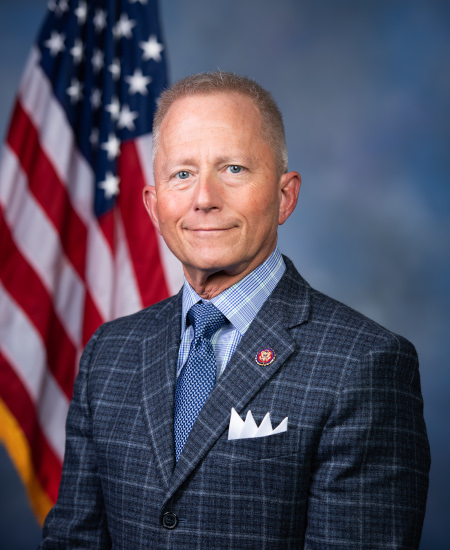
Jefferson Van Drew
100% support rate
Top opponent
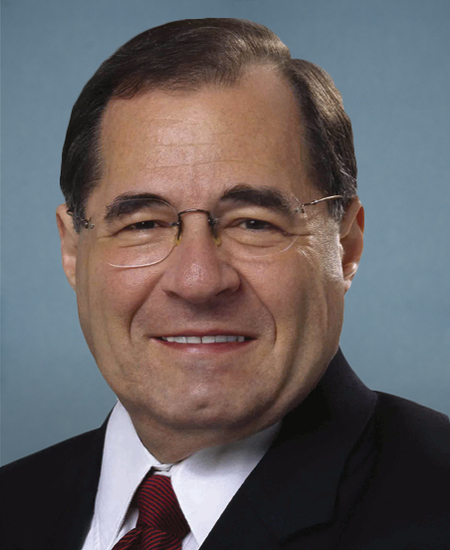
Jerrold Nadler
0% support rate
Ranked legislators
10
5 support · 5 oppose
Key legislators

Who's moving veteran benefits in United States

Legislators moving veteran benefits in United States
Legislator Party Stance Support rate Decisive votes
Jefferson Van Drew
Jefferson Van Drew House · District 2
R
Strong +
100% 4
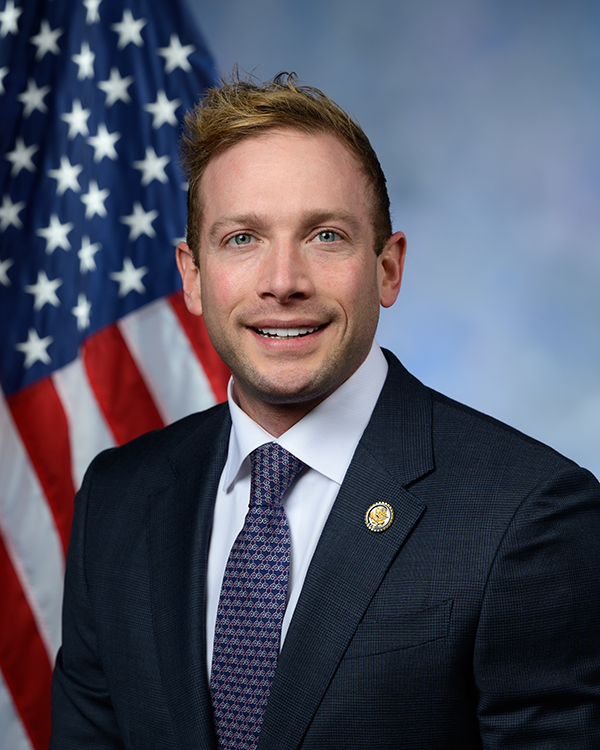
Max L. Miller
Max L. Miller House · District 7
R
Strong +
100% 4
Elise M. Stefanik
Elise M. Stefanik House · District 21
R
Strong +
100% 3
Lauren Boebert
Lauren Boebert House · District 4
R
Strong +
100% 3
Wesley Hunt
Wesley Hunt House · District 38
R
Strong +
100% 3
Jerrold Nadler
Jerrold Nadler House · District 12
D
Strong −
0% 3
Mike Quigley
Mike Quigley House · District 5
D
Strong −
0% 3
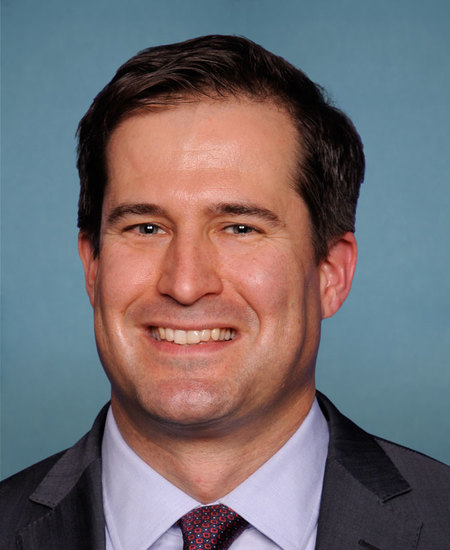
Seth Moulton
Seth Moulton House · District 6
D
Strong −
0% 3
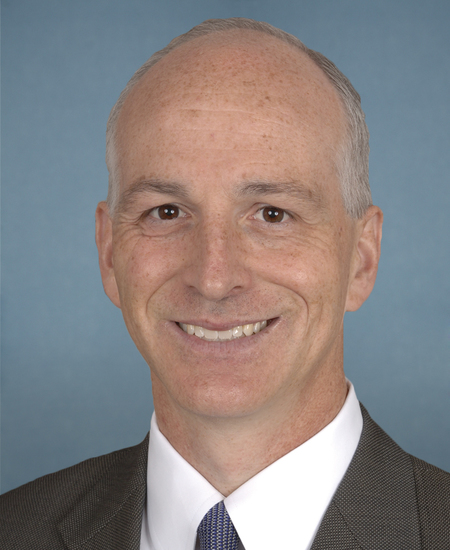
Adam Smith
Adam Smith House · District 9
D
Oppose
25% 4
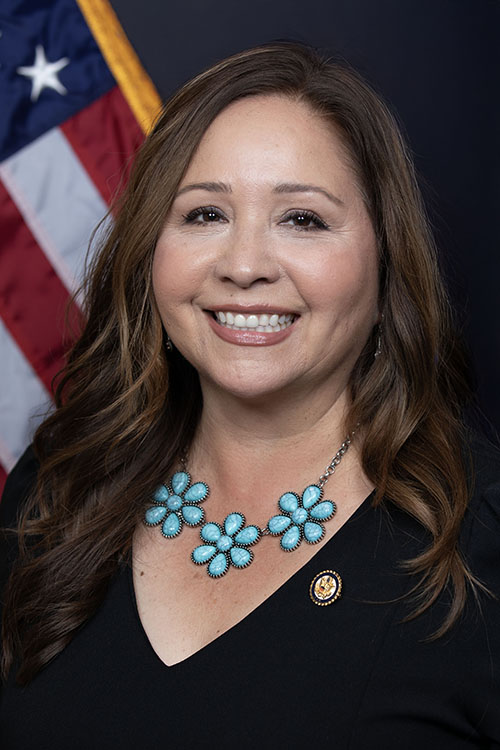
Adelita S. Grijalva
Adelita S. Grijalva House · District 7
D
Oppose
25% 4
Showing 121–130 of 439 bills

All veterans bills

in committee · United States · House Mar 5, 2025

HR 968: Time of Service Act

HR 968, the Time of Service Act, would change the deadline for using benefits under the Post-9/11 Educational Assistance Program from January 1, 2013, to January 1, 2001. This would require veterans to use their educational benefits by 2001, before the program's effective date in 2009. As a result, the bill would make these benefits unavailable for all veterans eligible under the program. It directly affects veterans who served after September 11, 2001, and are currently using or eligible for the Post-9/11 Educational Assistance Program.
in committee · United States · House Nov 17, 2025

HR 6032: Headstones for Honor Act

HR 6032, the Headstones for Honor Act, expands eligibility for Department of Veterans Affairs (VA) headstones, markers, or medallions to two specific groups: enslaved individuals who accompanied military personnel during service, and people who performed military functions despite legal bans based on race, gender, or ethnicity. The bill requires VA regulations to define "military function" and accept evidence like pay records, diaries, or family bibles to verify eligibility. For those who served with the Confederate States, headstones must include language noting they were "forced to support their own enslavement." Requests for headstones must be made by direct descendants or authorized representatives, with VA regulations due within one year of enactment.
in committee · United States · House May 20, 2025

HR 3509: Supporting Our Surviving Spouses Act

This bill removes the statute of limitations for certain survivor benefit claims against the U.S. Government. It specifically applies to survivors of military members who died in the line of duty on or after September 11, 2001. The key change amends federal law to state that no time limit applies when filing for survivor benefits under this provision. The bill takes effect for claims filed after its enactment date.
in committee · United States · House Jan 31, 2025

HR 865: Service-Disabled Veteran Opportunities in Small Business Act

This bill requires federal agencies that haven't met a specific goal for awarding contracts to service-disabled veteran-owned small businesses to provide employee training on increasing such contracts. The Small Business Administration, working with the Office of Veterans Business Development, must issue guidance on best practices within 180 days and submit annual reports to Congress listing agencies that missed the target and detailing their training. It directly affects federal agencies with underperforming contracting records and aims to improve opportunities for service-disabled veteran-owned small businesses. The policy focuses on accountability through training, guidance, and reporting rather than altering existing contracting rules.
Sub-Topics Veteran Benefits Veteran Employment Veteran Healthcare Tags Small Business
in committee · United States · House Sep 15, 2026

HR 7083: CRUISE Act

The CRUISE Act (HR 7083) modifies how the Department of Veterans Affairs processes payments to automobile sellers who provide vehicles to disabled veterans under a specific program. It requires payments to be made within 30 days of eligibility, and if delayed, the Department must publicly report the processing time. The bill centralizes payment processing in the Department's Central Office and creates a system to track and resolve payments outstanding for over 90 days. These changes aim to improve efficiency and transparency for sellers participating in the program.
in committee · United States · House May 14, 2026

HR 6698: Board of Veterans Appeals Annual Report Transparency Act of 2025

This bill requires the Board of Veterans Appeals to annually report on factors causing delays in resolving veterans' appeals and cases sent back for more review (remands). Specifically, it mandates the Board's Chairman to identify, for both new and legacy appeal systems, the specific causes of untimely case resolutions and remands, including the number and percentage of cases affected by each factor. The report must cover cases pending under the new appeals system (since 2017) and all cases remanded during the year. This transparency measure directly affects veterans with pending appeals by making the reasons for delays and remands publicly documented.
in committee · United States · House Apr 4, 2025

HR 2278: Survivor Benefits Delivery Improvement Act of 2025

HR 2278, the Survivor Benefits Delivery Improvement Act of 2025, requires the Department of Veterans Affairs (VA) to collect demographic data - including race, ethnicity, tribal affiliation, LGBTQIA+ status, and geographic location - from surviving spouses, children, or parents of veterans receiving specific VA benefits (disability compensation, pensions, or burial benefits). This data helps the VA identify underserved demographic groups and develop targeted outreach strategies to improve access to benefits. The bill mandates the VA to create an annual report including this demographic data and establish quarterly outreach to eligible dependents (like minor children) until they file a claim, using VA call centers staffed by 5-10 full-time equivalent positions. It also requires the VA to consult with veteran service organizations and advisory committees when designing outreach materials.
in committee · United States · Senate Nov 20, 2025

S 3280: Measuring Availability of Providers (MAP) for Veterans Act

The Measuring Availability of Providers (MAP) for Veterans Act requires the Department of Veterans Affairs to study whether establishing full-service VA hospitals in Alaska, Hawaii, and New Hampshire is feasible, with results to be published online within one year. It also amends the law to ensure veterans in these states retain access to the Veterans Community Care Program without interruption if a new VA hospital is built. The amendment specifies that this continued access applies as of the bill's enactment date, preventing gaps in care during transitions. The bill focuses on planning for potential VA facility expansion and maintaining current healthcare access for veterans in those states.
in committee · United States · Senate Mar 5, 2025

S 862: HBOT Access Act of 2025

This bill requires the Department of Veterans Affairs (VA) to cover hyperbaric oxygen therapy (HBOT) as a treatment option for veterans diagnosed with traumatic brain injury (TBI) or post-traumatic stress disorder (PTSD) who have already tried at least two other evidence-based treatments. It directly affects veterans with these conditions who are at high risk of suicide or self-harm, as specified in the bill's findings. The key provision mandates that the VA provide HBOT under VA health care programs without requiring prescription drugs, opioids, or invasive procedures. This policy change expands access to a non-drug treatment option for eligible veterans, focusing on proven alternatives for TBI and PTSD management.
in committee · United States · Senate Mar 13, 2025

S 1032: Major Richard Star Act

This bill, the Major Richard Star Act (S 1032), allows veterans with combat-related disabilities to receive both their military retired pay and Veterans Affairs disability compensation simultaneously. It amends U.S. Code sections to remove the automatic reduction in retired pay that previously forced these veterans to choose between the two payments. The key change ensures veterans with combat-related disabilities qualify for full retired pay without offset against their VA disability benefits, effective for payments starting after the bill's enactment date. This directly affects veterans receiving military retired pay under Chapter 61 who also qualify for VA disability compensation for combat-related injuries.
Showing 121 to 130 of 439 bills
Previous 1 … 12 13 14 … 44 Next