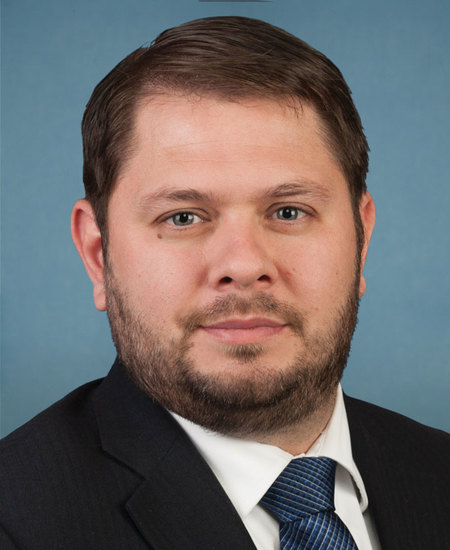
This bill updates the Department of Veterans Affairs' high technology program to include emerging fields like artificial intelligence and semiconductor manufacturing, aiming to help veterans find jobs in growing industries. It requires the VA, along with the Departments of Defense and Labor, to partner with private sector employers and schools to identify these new job opportunities and the specific training needed to fill them. The agencies must then prominently display this information on their websites and promote it to veterans during their transition from military service. Additionally, the law mandates that the list of relevant industries and occupations be reviewed and updated every quarter to reflect changing market demands, with the entire program set to expire in September 2027.
The Restore Veterans’ Compensation Act of 2026 modifies how the government recoups certain separation payments from former military members. This bill primarily affects veterans who received separation pay upon leaving service and later qualify for disability compensation or military retired pay. Specifically, it prevents the reduction of veterans' disability compensation due to their prior receipt of separation, severance, or readjustment pay. For those receiving military retired pay, the bill limits recoupment to the net amount of separation pay received (after taxes) and caps monthly deductions at 25% of their retired pay, unless they choose a faster repayment. It also requires a 90-day notice before deductions begin, allows the Secretary of Defense to waive recoupment in cases of financial hardship, and exempts members who were retirement-eligible when they received voluntary separation pay from having to repay it upon later retirement.
This resolution expresses the sense of the House of Representatives that establishing a "Veterans Appreciation Month" would be a powerful way for the nation to recognize veterans. It suggests this recognition should occur as the United States marks its 250th anniversary of independence.
The Carlton H. Ingram Veterans’ Benefits Improvement Act amends federal law to change how the Department of Veterans Affairs (VA) rates disabilities for veterans. The bill requires the VA's disability rating schedule to discount the beneficial effects of medication or treatment when assessing a veteran's condition, if a baseline without those effects can be established. This means the VA should rate the underlying severity of a service-connected disability, rather than its improved state due to ongoing treatment. However, the bill clarifies that this change does not prevent veterans from seeking compensation for additional disabilities caused by their medication or treatment, or for the aggravation of a pre-existing service-connected condition.
This bill modifies the Department of Veterans Affairs' Veterans Readiness and Employment (VR&E) program, which provides job training and education benefits to eligible veterans. It allows the VA to bar certain benefits for veterans convicted of assaulting VA employees and extends VR&E eligibility for some veterans who haven't found employment after training. The bill also sets a $250,000 cap on federal funds for a rehabilitation program, with future adjustments, and requires VA Secretary approval for equipment purchases exceeding $5,000. Additionally, it prevents veterans from concurrently receiving disability compensation based on individual unemployability while participating in a VR&E program and allows subsistence allowances to be based on a veteran's residence in certain cases.
HR 8469 is an appropriations bill that allocates federal funds for military construction, the Department of Veterans Affairs (VA), and several related agencies for the fiscal year ending September 30, 2027. The bill provides substantial funding for military construction projects across all service branches, including new facilities, upgrades, and family housing for military personnel and their families. It also dedicates significant resources to the Department of Veterans Affairs to support a wide range of veterans' benefits, healthcare services (including community care, mental health, and care for toxic exposures), medical research, and the modernization of the veterans' electronic health record system. Additionally, the bill funds national cemeteries, the US Court of Appeals for Veterans Claims, and the American Battle Monuments Commission, while setting administrative rules and conditions for how these funds can be obligated and spent. This legislation directly affects military members, veterans, and their families by providing the financial resources for their infrastructure, healthcare, and benefit programs.
The El Paso VA Medical Center Activation Readiness Act of 2026 requires the Secretary of Veterans Affairs to provide a briefing to key congressional committees within 180 days of the bill becoming law. This briefing focuses on the readiness of the new VA medical center under construction in El Paso, Texas, directly affecting its future operations and the veterans it will serve. It mandates detailed information on staffing requirements, recruitment plans, the timeline for acquiring and installing medical equipment, and the specialty care services to be offered. The briefing must also cover plans for coordinating with Department of Defense facilities and addressing access and travel issues for veterans in the region.
The ARCA Act of 2025 aims to reform the Department of Veterans Affairs' (VA) acquisition process, directly impacting how the VA procures services, supplies, and technology for veterans. It establishes an Assistant Secretary for Acquisition and an Office of Acquisition to consolidate all major acquisition, procurement, logistics, and supply chain functions under a single authority. The bill creates a Director of Cost Assessment and Program Evaluation to conduct independent cost estimates and evaluations, and mandates independent verification and validation for major acquisition programs. Additionally, it requires a standardized requirements development process for major programs and expands entry-level acquisition internship programs to strengthen the VA's acquisition workforce.
This bill, the VA Police Recruitment and Retention Act of 2026, prevents federal officials from lowering the pay grade or status of law enforcement positions within the Department of Veterans Affairs. It directly affects VA police officers and other law enforcement staff by blocking any proposed position downgrades and ensuring that no federal funds can be used for such reductions. The law also requires that any downgrades made between October 1, 2025, and the bill's enactment be reversed, restoring affected positions to their previous status and ensuring employees receive the pay they would have earned. By defining covered positions broadly to include all law enforcement roles regardless of funding source or employment type, the measure aims to protect the compensation levels of these workers from administrative reductions.
This bill creates a new commemorative military service medal called the Agent Orange Veterans Service Medal to honor veterans who received compensation for herbicide exposure during the Vietnam War. The medal will be designed by the Department of Defense and issued to living veterans or provided to next-of-kin for deceased veterans who meet specific eligibility criteria. Eligible recipients include those who receive compensation under existing Vietnam-era herbicide exposure laws or who are officially recognized as Vietnam-era herbicide-exposed veterans. The bill establishes an application process for veterans and their families to request the medal through the Department of Defense.